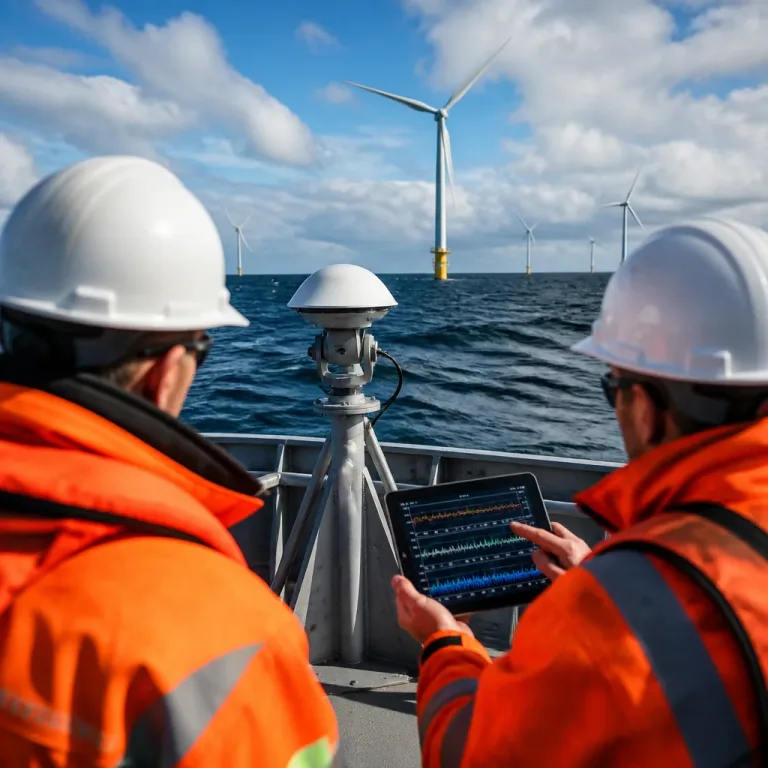
Ports are being recast as data platforms as much as physical infrastructure under the MTCOM initiative, which combines private networks, autonomous vessels and modular sensors to deliver continuous situational awareness and environmental monitoring in harbour environments.
What MTCOM brings together
Co‑financed by the Regional Programme — European Regional Development Fund (ERDF) Liguria 2021–2027, MTCOM unites public and private technology partners: EdgeLab, SMARTY, Sitep Italia, InfoCom, the University of Genoa and the Sant'Anna School of Advanced Studies (Pisa). The consortium aims to build an integrated communication backbone so vessels, infrastructure and monitoring platforms can exchange data continuously.
The project describes the port as a cyber‑physical ecosystem: a blend of sensors, networks and automation designed to improve maritime traffic coordination, safety and environmental compliance while enabling more sustainable operations.
Core technologies and platform
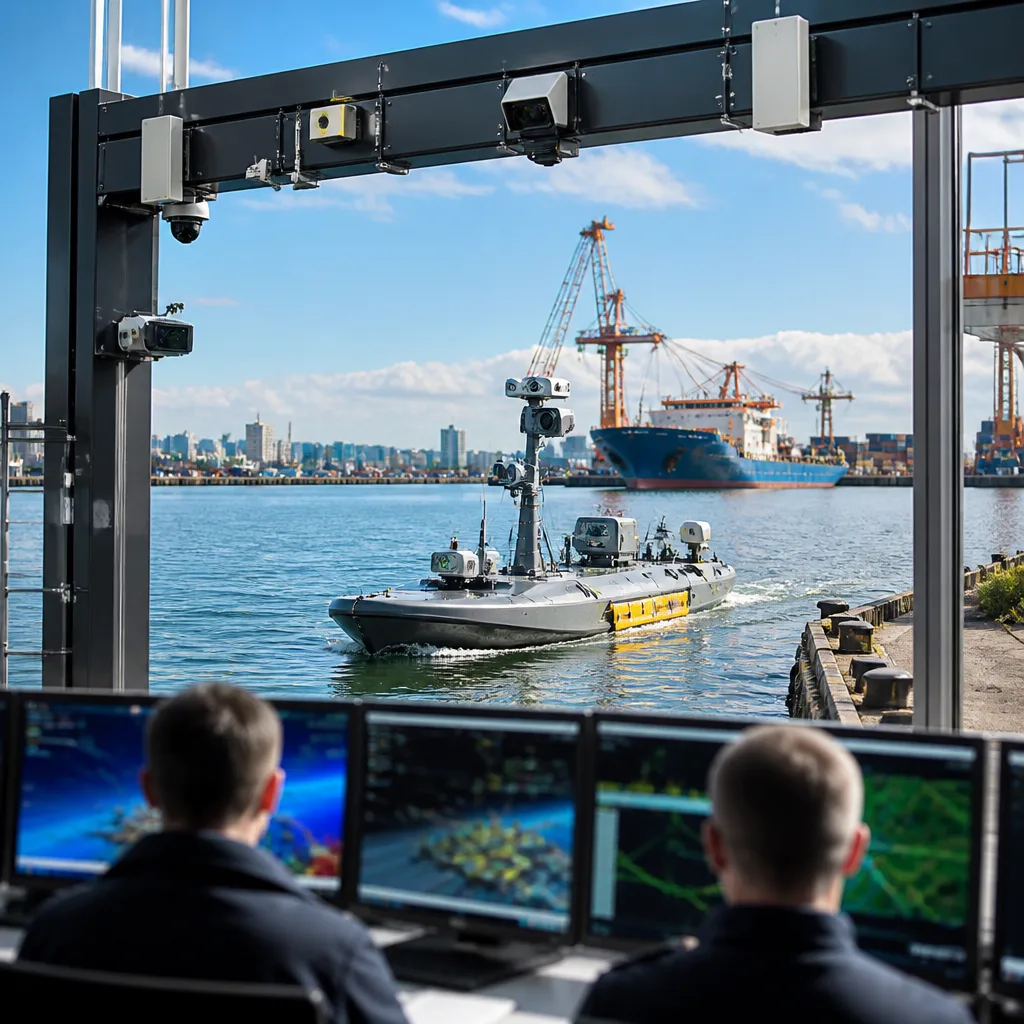
At the heart of the demonstrator is EdgeLab’s autonomous surface vehicle, the USV_EL CAT. The craft acts as a mobile intelligence node, capable of both remote control and autonomous missions in shallow and harbour waters. Its stated features include:
- Multiparametric probe measuring conductivity, temperature, water level, pH, dissolved oxygen and redox potential;
- Stereo vision systems for obstacle detection and safe navigation;
- Modular payload architecture allowing a range of sensors to be fitted;
- Navigation and comms including GPS/INS, long‑range Wi‑Fi, LTE and satellite links;
- Ground Control Station for real‑time GPS tracking, video streaming and system monitoring.
Alongside USV_EL CAT, MTCOM plans integration with a private 5G network and autonomous surface vehicles to provide low‑latency, resilient communications required for real‑time control and data transfer.
| Partner | Role (as described) |
|---|---|
| EdgeLab | Develops USV_EL CAT autonomous surface vehicle |
| SMARTY, Sitep Italia, InfoCom | Technology and systems integration partners |
| University of Genoa, Sant'Anna School | Academic research and validation |
Practical aims and likely consequences
By combining continuous environmental sensing with a dedicated communications backbone, MTCOM aims to:
- Improve coordination of maritime traffic through real‑time data sharing;
- Enhance safety via obstacle detection and persistent surveillance;
- Support regulatory compliance with continuous environmental monitoring;
- Enable more sustainable port operations by supplying data for decision making.
The approach mirrors a broader trend in maritime infrastructure: shifting from siloed systems to integrated, data‑driven platforms. For ports this can mean lower response times in incidents, better scheduling of berths and tugs, and more accurate environmental reporting — all contingent on robust communications, resilient autonomy software, and trusted data governance.
That last point is important. The value of a connected port depends not only on sensors and networks but on who controls the data, how it is shared and how reliably the autonomous systems behave in crowded, constrained waters. MTCOM’s use of a private 5G backbone and academic partners suggests an attempt to balance performance with technical oversight, but operationalising such systems at scale presents regulatory, safety and interoperability challenges.
For ports and supply chains, the potential upside is clear: more efficient traffic management, improved environmental monitoring and incremental safety gains. For technologists and regulators, the project will provide a real‑world testbed for autonomy, low‑latency networking and modular sensing in an environment where mistakes carry high consequence.
As ports increasingly adopt connected technologies, projects such as MTCOM will be watched closely by operators and policymakers. They offer a route to modernise operations, but also raise questions about standardisation, liability and the governance of critical maritime data.
Why it matters: MTCOM demonstrates how targeted public funding can accelerate integration of private networks, autonomy and sensor platforms to create next‑generation port infrastructure — an outcome with economic, environmental and security implications for ports across Europe and beyond.