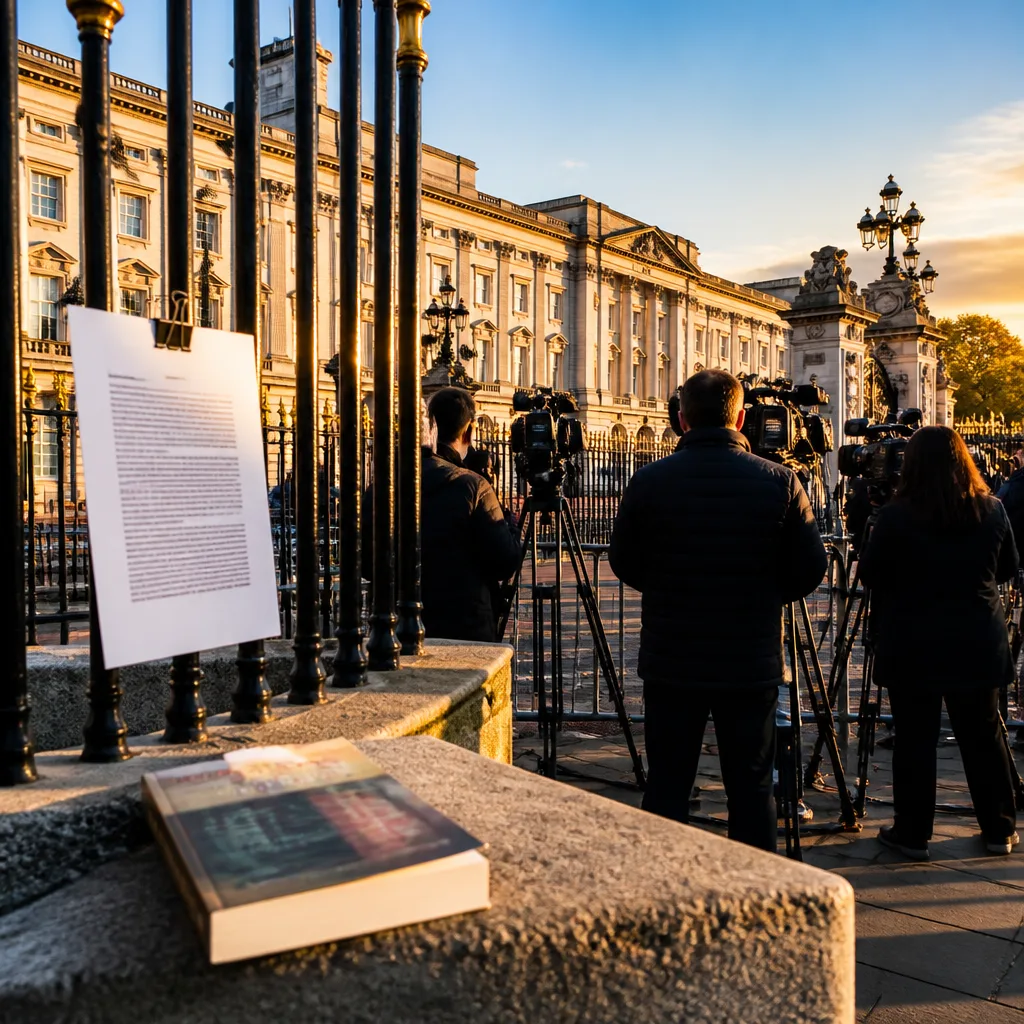
Charles Spencer, the younger brother of the late Princess Diana, has reignited a long-standing dispute over the royal family with a striking claim in a newly published book, reporting that King Charles said, shortly after Diana’s death, “We’ll forget her soon enough.” The allegation has led to a rare public response from Buckingham Palace and renewed scrutiny of Diana’s enduring place in the national imagination.
Claim, reaction and context
The comment attributed to the then-Prince of Wales appears at the centre of a fresh episode in a story that has repeatedly resurfaced in British public life. Spencer’s new book — and the media coverage it has attracted — has prompted commentators to re-examine both the immediate aftermath of Diana’s death and the long-term handling of her memory by the royal household.
“We’ll forget her soon enough.”
According to reporting around the book, the timing of the alleged remark is significant: it is said to have been made in the days after Diana died. The claim is one of several that Spencer has brought into the public domain in his publication, setting off renewed debate about motives, memory and monarchy.
How the story has been covered
The book and Spencer’s remarks have been discussed in broadcasting and print. Coverage includes analysis by journalists and guests, and the subject has found its way into long-form radio and podcast segments. The Belfast Telegraph’s material summarises the broader editorial context in which Spencer’s assertions sit, alongside other features examining Northern Ireland’s recent history; the programme referenced includes segments on paramilitary figures and historic attacks, underscoring how the newspaper’s remit spans both contemporary royal controversy and deeper archival reporting.
- Central allegation: Spencer quotes an assertion attributed to King Charles shortly after Diana’s death.
- Official response: Buckingham Palace has issued a rare reply, underscoring the sensitivity of the matter.
- Media treatment: The book has prompted discussion across print and radio, bringing the royal narrative back into public debate.
Why this matters now
The resurfacing of such allegations affects both public memory and institutional reputation. Diana’s place in the national consciousness has been cemented by decades of commentary, documentary film-making and biographies; any fresh claim about how the royal family regarded her in the immediate aftermath of her death is therefore likely to be treated as newsworthy. The Palace’s response — described in coverage as "rare" — indicates the sensitivity with which Buckingham Palace treats assertions that touch on personal conversations and private sentiments within the family.
Equally, the story raises questions about the motives behind revisiting these old disputes. The publication of new memoirs or books by those connected to high-profile figures often prompts debate over timing, intent and historical accuracy; commentators and interviewees in the coverage have asked why Spencer has chosen to speak now and whether the claims can be independently verified.
Broader reporting in the same package
The source coverage grouped Spencer’s book with several other historical and investigative items, reflecting the outlet’s mix of contemporary royal coverage and long-form reporting into Northern Ireland’s past. Notable topics in the same programme included profiles of paramilitary figures and archival revelations about past attacks on newsrooms — illustrating the publication’s editorial range.
| Segment | Topic | Timestamp (approx.) |
|---|---|---|
| 1 | Charles Spencer on Princess Diana and King Charles | Opening segment |
| 2 | Johnny ‘Mad dog’ Adair profile | 26:46 |
| 3 | William McGrath cassette emerges | 32:44 |
| 4 | Belfast Telegraph newsroom bombing | 39:58 |
For readers, the immediate effect is twofold: renewed public discussion about Diana’s legacy, and a reminder of how memoirs and archival material can reopen settled narratives. For the monarchy, the episode is another test of how it manages sensitive personal history in a modern media environment that prizes both revelation and verification.
As further coverage unfolds, questions likely to persist include whether independent sources can corroborate Spencer’s account, how the Palace will handle follow-up claims, and what the episode does to shape the long shadow of Diana’s life and death in British public life.