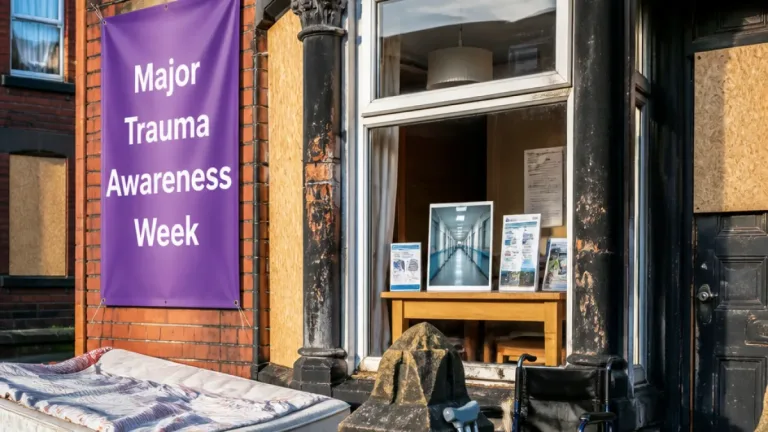
Grassroots momentum to reduce health inequalities across the UK must be matched by coordinated national action, the Health Equals coalition has warned. The campaign highlighted hyperlocal differences in life expectancy — including a reported 13-year gap within Newcastle — as evidence that piecemeal measures are insufficient.
Local differences, national consequences
Health Equals, which launched in 2023 and now brings together more than 120 organisations from charities and local government to businesses, said its members are seeing communities act to improve outcomes but that those efforts need to be aligned with government strategy to deliver sustained change.
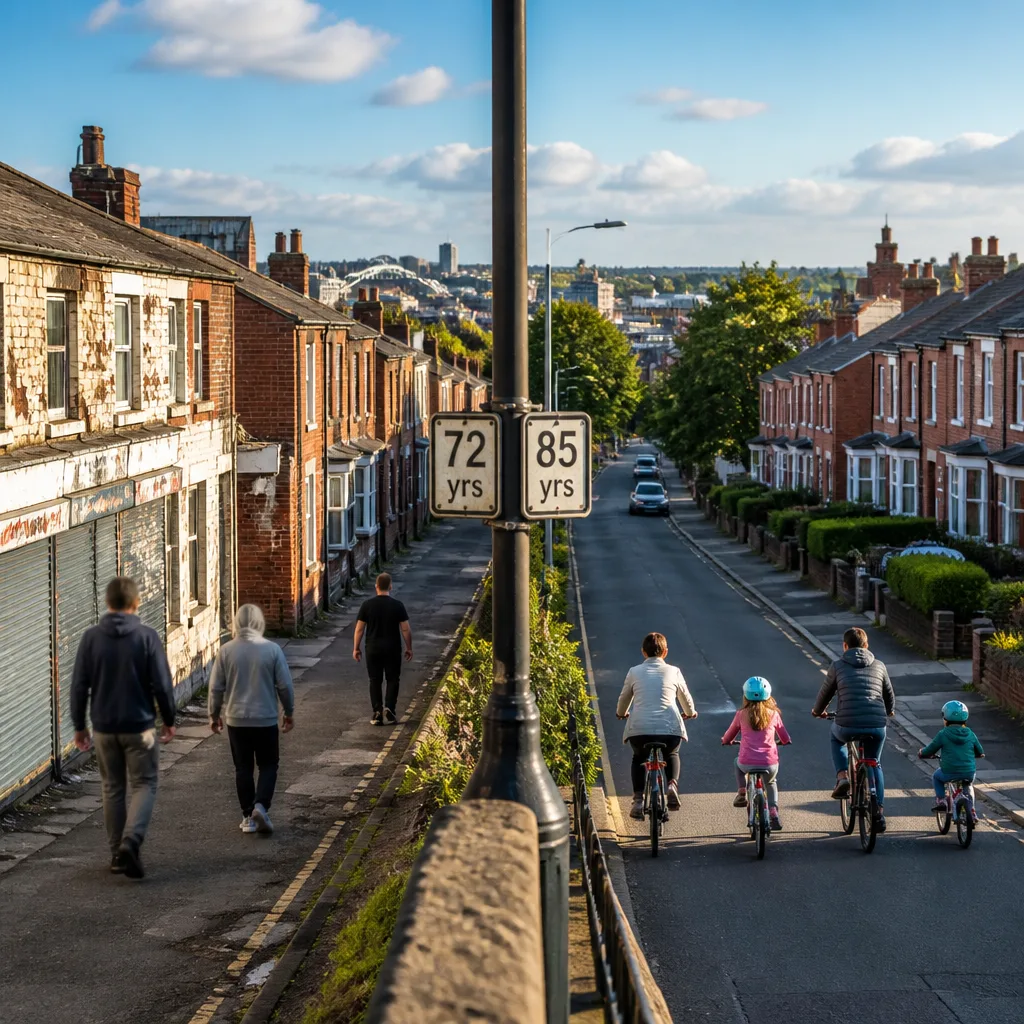
The coalition pointed to analysis showing that life expectancy can vary markedly over very short distances. In Newcastle, for example, people born in Byker or St Peter's are expected to live to around 72 years, while those born in Coxlodge or West Gosforth have an expected lifespan closer to 85 years. Health Equals says such disparities are mirrored across the North East and elsewhere in the UK.
Paul McDonald, director at Health Equals, welcomed recent policy steps but urged a comprehensive approach. He highlighted measures including changes to school meal provision and reforms aimed at narrowing child poverty gaps as positive signals, while stressing the need for a strategic national plan.
"There have been some positives - things like Free School Meals, positive things around the environment and the two-child benefit gap. That shows the desire is there but what we really need to see is a joined up plan,"
What the coalition says is needed
Health Equals argues that community-level interventions can achieve measurable improvements in health but that national leadership is required to scale and sustain these gains. The coalition comprises a wide range of partners, from health charities to organisations outside the traditional health sector, underscoring the social determinants of health.
- Community action: local groups are already working to tackle causes of poor health and raise awareness.
- Policy alignment: Health Equals calls for national-level coordination to amplify local successes.
- Cross-sector collaboration: the coalition’s membership spans charities, local authorities and private-sector partners.
Evidence and limits
Differences in life expectancy across short distances are a well-documented signal of broader inequalities in wealth, education, housing and access to services. Peer-reviewed studies show associations between deprivation and shorter healthy life expectancy, but researchers caution that correlation does not prove simple causation: multiple interacting factors drive population health.
Health Equals’ growth to more than 120 members since 2023 demonstrates broad interest in tackling the problem. The coalition points to local examples where targeted interventions have produced benefits, but acknowledges that without national frameworks to support and fund such work, progress may remain uneven.
Policy implications
Campaigners say a national plan should bring together existing government initiatives and local projects, target resources at the most disadvantaged areas, and monitor outcomes transparently. They argue that doing so would enable successful local approaches to be evaluated and replicated across the country.
| Item | Reported figure |
|---|---|
| Years since Health Equals launch | 2023 |
| Coalition membership | More than 120 organisations |
| Reported local life-expectancy gap (Newcastle) | 13 years |
| Example local life expectancy (Byker / St Peter's) | 72 years |
| Example local life expectancy (Coxlodge / West Gosforth) | 85 years |
As debate continues about the balance between local innovation and national policy, the coalition’s message is clear: community-led progress matters, but it will not on its own solve entrenched disparities. Campaigners are calling for government to provide a single, joined-up plan that can tie local successes into a national effort to narrow the stark differences in how long people live and how long they live in good health.