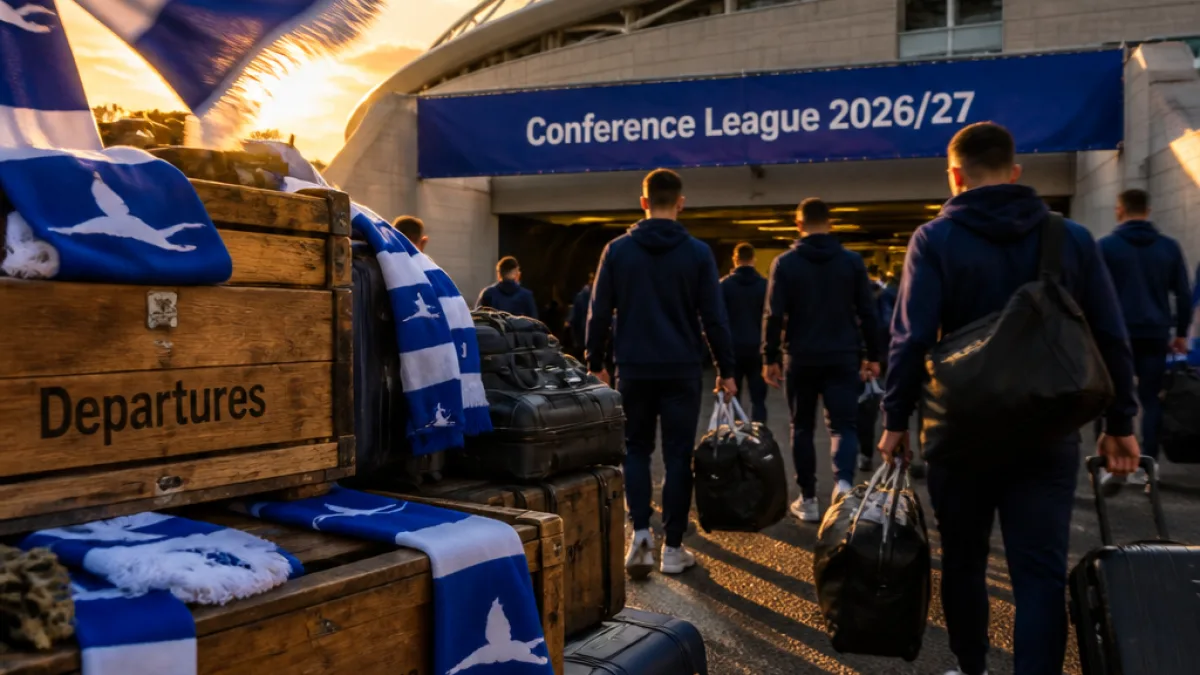
Seagulls return to Europe but arrive with fresh uncertainties
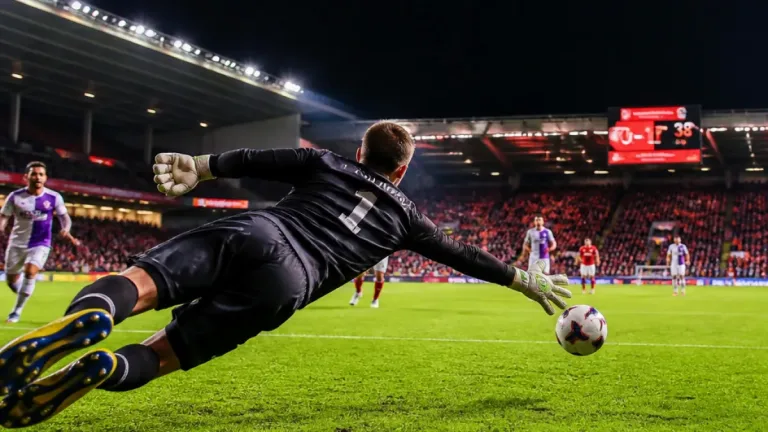
Brighton & Hove Albion will again balance domestic fixtures with European nights in 2026/27 after finishing eighth in the Premier League, securing a place in the UEFA Conference League. The club’s progress under Fabian Hurzeler has continued the upward trajectory set by previous managers, but a busy summer of departures and targeted arrivals leaves the squad in a state of flux.
On paper the defensive department looks well stocked. Brighton have brought in centre‑back options to replace outgoing experience and to provide competition for places. The signings of Pascal Struijk and Michael Svoboda should add quality and rotation at centre‑back, while Costinha is expected to contest right‑back duties and protect the flank.
Young recruits, big questions
Much of Brighton’s summer activity has centred on the younger end of the market. High‑profile acquisitions such as Luka Vuskovic and Zadok Yohanna — signed respectively from Tottenham and AIK — demonstrate the club’s continued appetite for buying potential and developing talent. Those moves will draw interest from supporters keen to see which youngsters can be fast‑tracked into first‑team roles during a congested season.
However, while defensive depth appears secure, the forward and wide areas of the squad have been weakened by notable exits. The sale of Jan Paul van Hecke to Tottenham is the headline transfer out, and departures such as Danny Welbeck to Chelsea and the retirement of James Milner reduce the pool of experience and finishing options at Hurzeler’s disposal.
“Brighton have made a few potentially shrewd depth signings so far this summer… But while they have been busy bringing players in, many more have gone out.”
The reality for Hurzeler and his coaching staff is balancing ambition with pragmatism. European football brings prestige and additional revenue, but it also requires a deeper squad to cover injuries, fatigue and tactical rotation — especially across the wider angles of the pitch.
- Defensive reinforcement: Struijk and Svoboda expected to add quality and cover.
- Youth investment: Vuskovic and Zadok signalling long‑term planning but requiring integration.
- Experienced exits: Sales and retirements remove senior options in attack and midfield.
Transfers in and out — a summary
| Category | Notable names |
|---|---|
| In | Pascal Struijk; Michael Svoboda; Costinha; Luka Vuskovic; Zadok Yohanna |
| Out | Jan Paul van Hecke; Carl Rushworth; Diego Coppola; Danny Welbeck; Jeremy Sarmiento; Joel Veltman; Facundo Buonanotte; Tommy Watson; James Beadle; Rodrigo Rego; Do‑young Yoon; Adam Webster; Solly March; James Milner (retired) |
That list underlines the scale of change. Long‑serving figures such as Joel Veltman and Adam Webster have left at the end of contracts, while the departures of Solly March and the retirement of a respected professional in James Milner will be felt in the dressing room beyond their on‑pitch contributions.
Local impact and what supporters should expect
For Brighton residents, the consequences are both sporting and social. European matches bring extra nights of excitement to the city and increased custom for local hospitality, but they also increase travel demands for fans and strain on matchday logistics. Supporters will be eager to see whether Hurzeler can preserve the club’s style of play while navigating a more congested calendar.
Practical questions remain: can the younger recruits step up quickly enough? Will the club move again in the transfer market to address attacking options? And how will rotation be managed to keep form consistent across competitions? The answers to those questions will shape not just results but the matchday experience for thousands of local supporters in the months ahead.
Brighton have made some decisive moves this summer. The next test will be converting those transactions into stability and results as the Seagulls take on the dual demands of Premier League and European football.