
The Dubrovnik Hotel on Oak Avenue in Manningham will no longer be used to house asylum seekers, the Government confirmed on the same day the Prime Minister urged that “all parts of the country” should participate in dispersal arrangements. The move has reopened a national discussion about how responsibility for temporary accommodation is shared and what that means for communities in Bradford.
Local closure, national policy
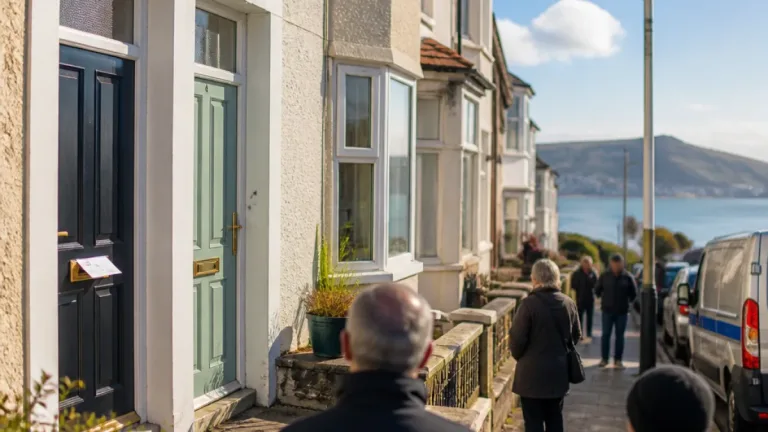
The decision to stop using the Dubrovnik Hotel for asylum accommodation marks a notable change in Manningham, an area of Bradford which has previously hosted people awaiting decisions on their refugee status. Downing Street said the announcement came amid a broader push to distribute asylum accommodation more evenly across the country.
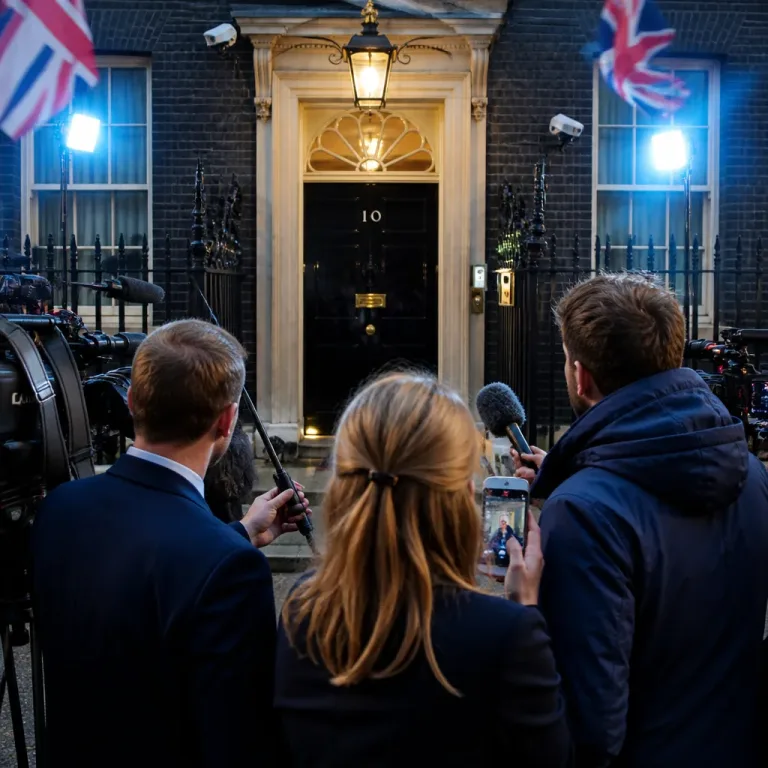
Speaking on the day the hotel was taken out of use, the Prime Minister said wealthier areas should not be exempt from hosting asylum seekers, arguing that the burden should not fall only on poorer communities.
“All parts of the country have a role in the dispersal process,” the Prime Minister said.
Political reactions and local concerns
The intervention prompted an immediate rebuttal from the shadow home secretary, who argued that the country should not be housing people described as illegal immigrants anywhere and reiterated a hardline stance on rapid removal. The exchange underlines the sharp division in Westminster over both the language and mechanics of asylum policy.
Locally, the closure of the Dubrovnik is likely to raise practical questions for Bradford council services and voluntary groups that have supported asylum seekers, though no immediate local operational details were released alongside the Government statement.
- Site: Dubrovnik Hotel, Oak Avenue, Manningham — ceased to be used for asylum accommodation.
- National stance: Prime Minister said wealthier areas must “play their part” in dispersal.
- Opposition response: Shadow home secretary criticised the approach and urged tougher removals.
Context: where the Government is looking for space
The Government has previously looked beyond urban hotels to former military sites and other large complexes as places to provide longer-term temporary accommodation. Examples mentioned by ministers and in reporting include Wethersfield in Essex, Crowborough in East Sussex and assessments of Barnham Camp in Suffolk and a site at Bicester in Oxfordshire.
Those proposals have sometimes prompted local resistance, with reports of protests and unrest near proposed sites elsewhere in England. Government officials have said any use of former military locations would be subject to planning permission and other approvals.
| Location | Type | Notes |
|---|---|---|
| Dubrovnik Hotel, Manningham | Hotel | No longer used for asylum accommodation |
| Wethersfield (Essex), Crowborough (East Sussex) | Former military sites | Previously used or suggested for housing asylum seekers |
| Barnham Camp (Suffolk), Bicester (Oxon) | Former military sites (under assessment) | Home Office assessing possible use, subject to approvals |
Implications for Bradford
For Bradford, the announcement underscores the continuing national debate that plays out at a local level. Communities here have experience of receiving displaced people and working with charities and public services to support integration, while also navigating concerns about housing, schooling and community cohesion.
How the end of accommodation at the Dubrovnik will affect the individuals who were staying there, and whether alternative placements will be offered within Bradford or elsewhere, was not detailed in the Government’s statement. Local organisations and services are likely to seek clarification from the Home Office and the council about next steps for affected residents.
The national headlines – including talk of moving to larger, sometimes rural sites – will be watched closely in Bradford, where councillors, community leaders and voluntary groups will weigh the practical and social implications of any new dispersal arrangements.
As the situation develops, local authorities and charities will need clear information from ministers about placements, support provision and how responsibilities will be shared across the country.