Council finds newly built flats would fail to provide acceptable homes
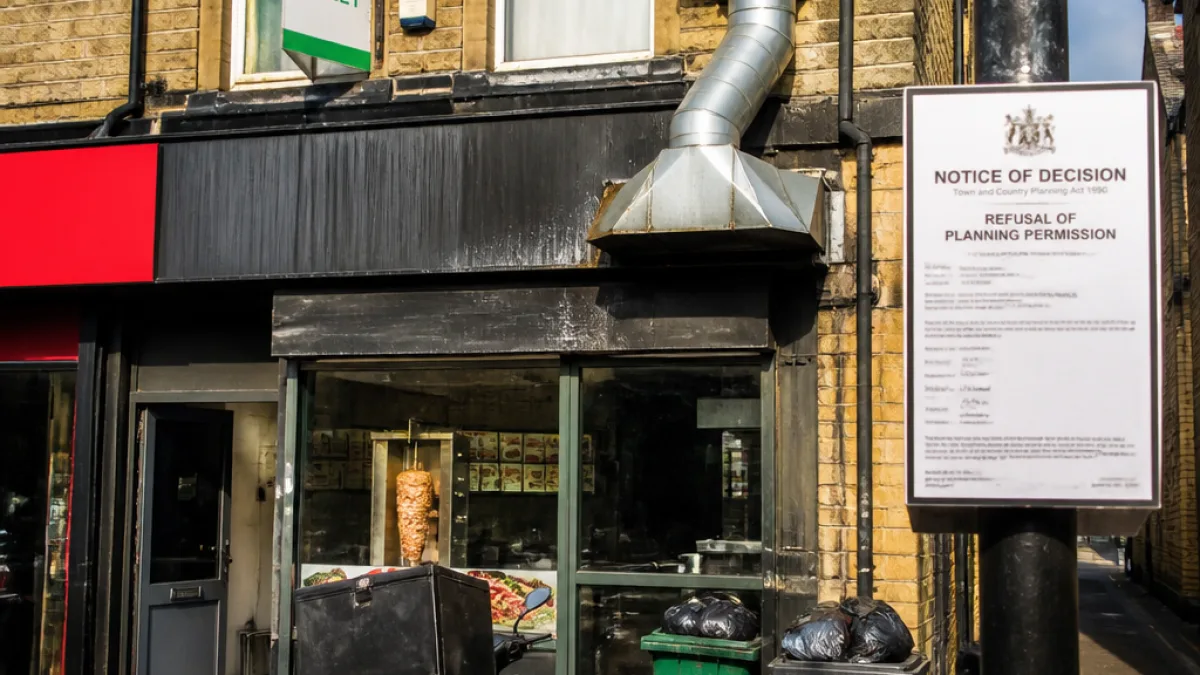
Bradford Council planners have refused planning permission for two one‑bedroom flats constructed above a takeaway on Sackville Street, concluding the homes would offer a poor standard of accommodation for future residents. The decision, issued this week, follows a site inspection that found the units completed and available to let despite no approved consent for conversion.
The application, submitted by Muhammed Shabir, sought retrospective permission for works that converted what the applicant described as former storage space on the building's first and second floors. Officers said the development had in fact been finished and that "To Let" signage was already in place.
"The proposal would form a poor standard of accommodation and poor living conditions for the future occupants of the proposed flats,"
Planning officers raised a number of specific concerns. They said occupants of the two flats would be adversely affected by the operation of the takeaway beneath, citing potential issues of persistent noise, smells and the business's operating hours. Officers also identified problems with the flats' design, observing a restricted outlook and limited provision of natural daylight.
- Location: Sackville Street, Bradford city centre
- Accommodation: Two one‑bedroom flats (first and second floors)
- Applicant: Muhammed Shabir
- Key issues cited: Noise, odours, operating hours of takeaway, restricted outlook, limited natural daylight
- Status: Works appear unauthorised; retrospective application refused
Local impact and planning implications
The refusal underscores tensions that can arise when residential accommodation is introduced above commercial premises — a common arrangement in Bradford's city centre. Officers judged that the physical environment created by the neighbouring food business would materially harm the quality of life for residents, a finding that weighs against granting planning consent.
The case also illustrates the problems local authorities face with unauthorised conversions. Planners described the works as appearing to be carried out without permission and noted that the completed nature of the conversion made the matter a retrospective application, which does not guarantee approval.
What the decision contains
The formal decision notice records the officers' view that the development would provide unsuitable accommodation and specifies the operational impacts from the takeaway below as central to that finding. The council's concerns were both about amenity — noise and odour intrusion and hours of use — and about the physical quality of the living spaces, particularly daylight and outlook.
| Detail | Information from decision |
|---|---|
| Number of flats | 2 (one‑bedroom) |
| Floors involved | First and second floors |
| Advertised to let | Yes — "To Let" signs observed |
| Primary reasons for refusal | Noise, odours, operating hours, restricted outlook, limited natural daylight |
The Local Democracy Reporting Service that briefed the council on site observations noted that the works appeared unauthorised. That raises the possibility of further enforcement action if the applicant does not pursue an alternative scheme or appeal the decision.
For residents and businesses in the surrounding area, the outcome may set a precedent for how the council treats similar conversions where commercial activity below could compromise residential amenity. It also signals that completing works and placing properties on the market does not guarantee retrospective planning approval when fundamental amenity concerns exist.
The refusal is a reminder of the regulatory responsibilities that apply to property conversions in Bradford's urban centre, and of the planning authority's willingness to prioritise living standards where evidence shows occupants would be harmed.