Children with special needs not always supported, Ofsted finds
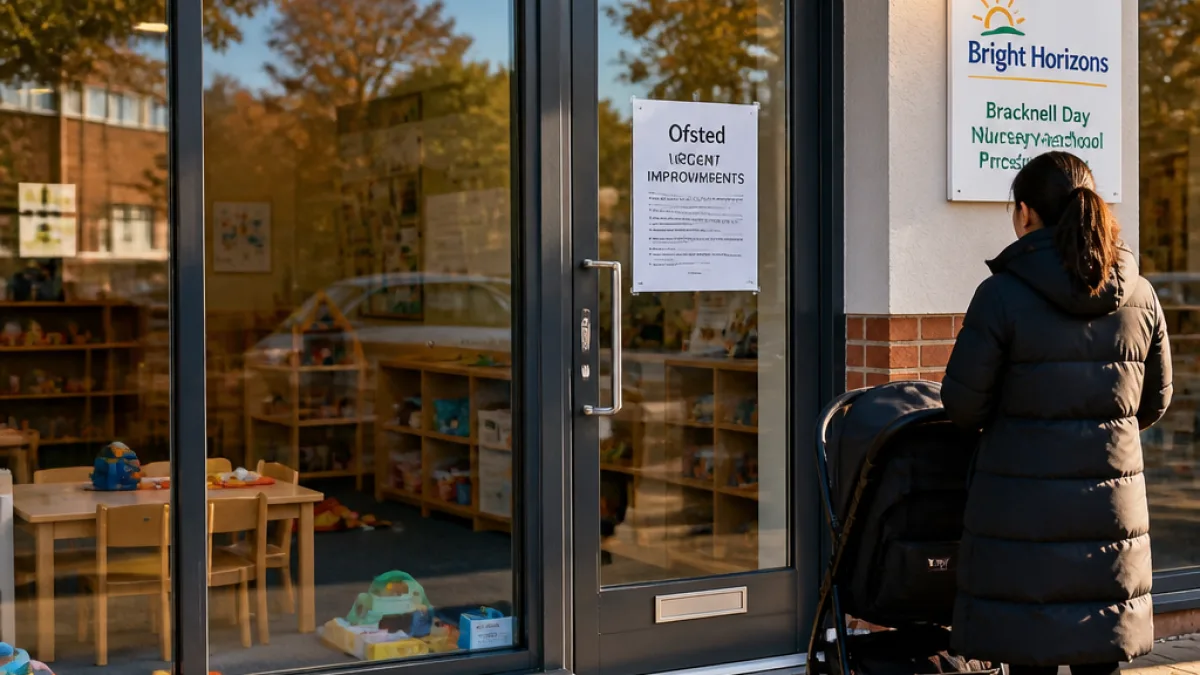
Ofsted has told a Bracknell nursery to make urgent improvements after inspectors found a series of failings affecting children’s welfare and learning. The report, which examined Bright Horizons Bracknell Day Nursery on Wokingham Road, identified weaknesses in how staff support children with special educational needs and disabilities (SEND), inconsistencies in wellbeing provision and shortcomings in teaching.
Inspectors observed children becoming upset because staff were "unsure" how to help them and said that staff did not always support children effectively. The inspection found some children were left "wandering around" without purpose or moving away from activities because they were not sufficiently engaged by staff.
- Support for SEND children was criticised: staff did not consistently adapt interactions or use effective strategies to meet differing communication needs.
- Teaching and curriculum were judged to be weak in places, with the curriculum not fully implemented and not sufficiently ambitious for all children.
- Key‑person arrangements were unclear, leaving staff uncertain about which children they were responsible for and causing distress for some children.
The report highlighted that, while staff observe and assess children's needs, they do not use this information consistently to plan the precise next steps required to build on what children already know and can do. Inspectors said this was affecting the development of communication and language skills and leaving learning gaps unaddressed.
"Staff observe and assess children's needs. However, they do not use this information consistently to plan precise next steps or build on what children already know and can do."
Ofsted also found that toddlers struggled with transitions because routines were not consistently organised or adapted to their age and developmental stage. The inspection noted: "Toddlers struggle to manage transitions between free-flow play and group time, and staff do not adapt routines to meet their developmental needs." Inspectors said this meant younger children were not always given the age‑appropriate support they need to understand what to do and how to behave at nursery.
Wider consequences for parents and early years provision
The shortcomings identified raise practical concerns for families who rely on the nursery for daily childcare and early education. Ambiguity over key‑worker responsibilities can undermine stability for very young children and make it harder for parents to know who to contact about their child’s progress or wellbeing.
Although the report noted children generally enjoy attending the setting and benefit from warm relationships in some areas, Ofsted concluded that the weaknesses mean children’s welfare and emotional wellbeing are not fully supported. The regulator has ordered urgent improvements to address the gaps found.
| Area inspected | Issue identified |
|---|---|
| Support for SEND | Inconsistent adaptation of interactions; staff unsure how to help some children |
| Teaching and curriculum | Curriculum not fully implemented; not ambitious enough for all children |
| Key‑person system | Staff unclear who is key worker for which children |
| Routines and transitions | Routines not consistently organised or age‑appropriate for toddlers |
For parents and carers, an Ofsted order to make urgent improvements typically triggers closer monitoring and follow‑up inspections. The nursery will be expected to set out an action plan addressing the points raised and demonstrate prompt, sustained improvement. Until then, families may reasonably seek reassurances from the setting about staffing arrangements, how individual children’s needs will be met and the steps being taken to strengthen teaching and routines.
The findings also underline broader challenges for early years providers in the area: ensuring staff are trained to support children with complex communication needs, maintaining clear key‑person systems and translating assessments into effective, individualised learning plans. Local authorities and parents will be watching the nursery’s response to see how quickly improvements are enacted and whether they translate into better day‑to‑day experiences for children.
The Ofsted report makes clear that, while parts of the setting work well and children enjoy attending, the current weaknesses place some children at risk of not developing the communication and language skills they need. Immediate action has been required to safeguard children’s development and wellbeing.