British actor Samantha Morton has revealed she has not secured work in the year since her lauded appearance as Circe in Christopher Nolan’s film The Odyssey, underscoring a persistent problem in the entertainment industry: the shortage of substantive roles for women as they age.
Talent celebrated, opportunity limited
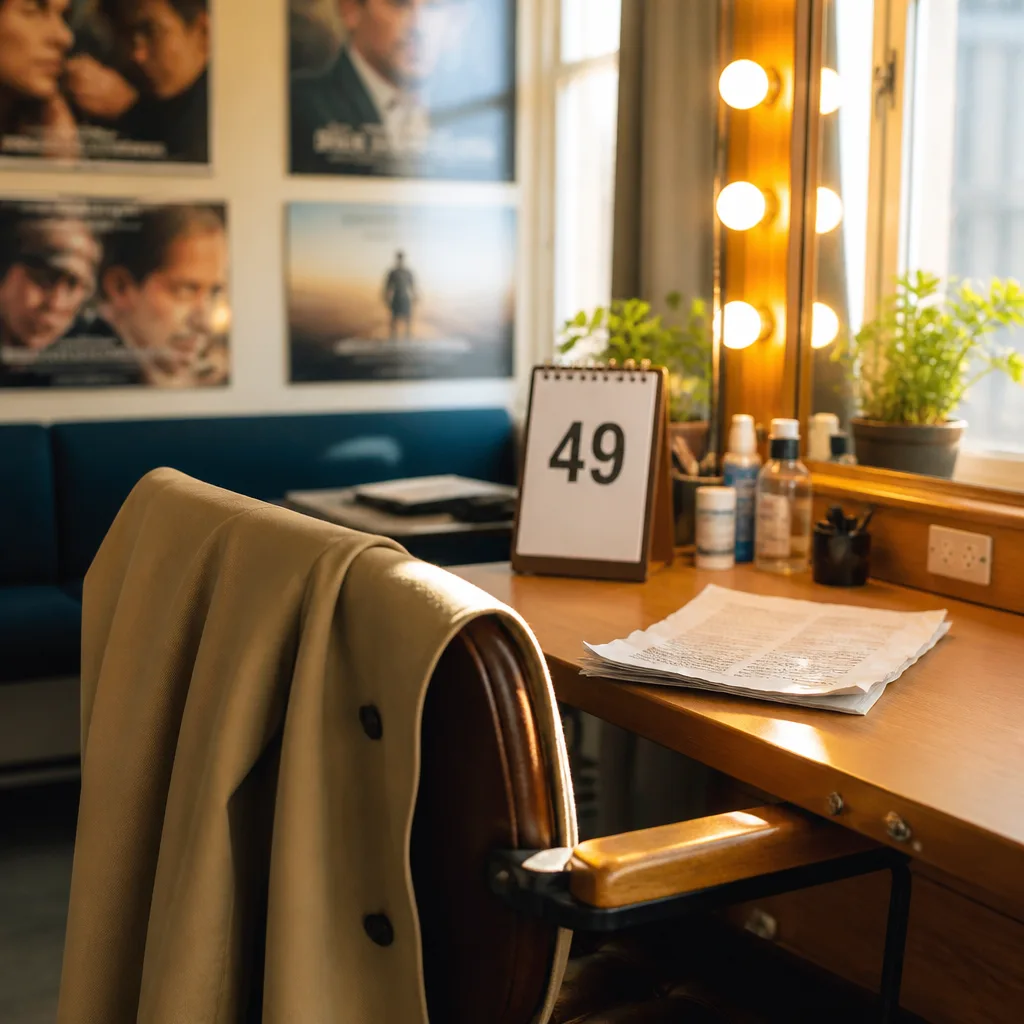
Morton, widely praised for a brief but powerful performance in the 2025 film, told the Happy, Sad, Confused podcast that despite strong representation by agents and managers she remained out of employment, adding that at 49 she faced barriers many of her male peers do not.
“I haven’t worked for a year since making The Odyssey. And I’ve got really good agents and a manager, but at the end of the day, I’m 49,” Morton said.
The observation is stark: a performer who can command attention in a major studio picture and who has an extensive résumé — 63 credits listed on IMDb, including Minority Report, The Whale and She Said — still finds herself negotiating an industry that often privileges youth, particularly for female performers.
Wider conversations echo her experience
Morton’s comments have come as other actors reflect on the industry’s reluctance to show women ageing naturally on screen. Olivia Cooke’s remarks about playing Alicent Hightower in House of the Dragon — and the awkward reality of being cast close in age to actors playing her children — resurfaced as part of the same conversation. Cooke questioned whether audiences and casting decision-makers are willing to accept older women in visible, complex roles.
- Morton’s case highlights a disconnect between critical acclaim and subsequent offers for older actresses.
- Cooke’s reflection illustrates the industry’s ongoing reliance on youth or artificial recasting to represent ageing.
- Industry pattern suggests systemic barriers rather than isolated incidents.
These examples reinforce a long-running critique of casting practices in both Hollywood and international production hubs: stories centre on younger protagonists, and female characters are often subject to more rigid age-related expectations than male characters.
Consequences for storytelling and careers
The effects are twofold. For audiences, there is a narrowing of the stories they see on screen — fewer narratives that reflect the lived experience of middle-aged and older women. For performers, it can mean a sharp drop in offers after a certain age, irrespective of talent or prior profile.
Morton’s own credits demonstrate range and longevity, yet her account suggests that credentials and critical success are not always sufficient to overcome age-based casting thresholds. The issue has implications for writers, producers and commissioners who decide which stories are deemed commercially viable.
| Actor | Noted role | Issue raised |
|---|---|---|
| Samantha Morton | Circe in The Odyssey | Difficulty finding work post-acclaim at age 49 |
| Olivia Cooke | Alicent Hightower in House of the Dragon | Casting close in age to on-screen children highlights reluctance to show women ageing |
Industry defenders sometimes argue that casting responds to audience demand and commercial pressures. Critics counter that the cycle is self-reinforcing: if older women are not visible in leading roles, audiences rarely see them centre-stage and commissioners may then judge such projects to be risky.
For the UK screen sector — which exports talent and often participates in transatlantic productions — the debate matters for national cultural influence and employment patterns. Directors and producers who commit to more diverse age representation can reshape both careers and the kinds of stories that reach mainstream platforms.
Morton’s candid account adds fresh impetus to long-standing calls for better roles for women as they age: not as peripheral figures or devices to support younger leads, but as complex protagonists whose lives evolve on screen in the same way they do in reality.