MPs press for night-landing and restored connectivity at Prayagraj Airport
Two Members of Parliament representing constituencies around Prayagraj have sought urgent steps from the Union Civil Aviation Ministry to restore and expand scheduled air services at Prayagraj Airport, and to permit night landings so flights can operate beyond daylight hours.
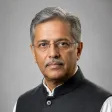
Prayagraj MP Ujjwal Raman Singh and Phulpur MP Praveen Patel met Union Civil Aviation Minister Kinjarapu Rammohan Naidu in New Delhi and submitted a letter outlining the demand, according to a Hindusthan Samachar report. The MPs told the minister that Prayagraj is an important mythological and judicial city — and, with a population exceeding 70 lakh, has a substantial number of professionals and students who travel frequently to other parts of the country.
"There should be night landing facility at Prayagraj Airport."
The delegation argued that allowing night operations would offer public relief, improve emergency connectivity and increase business opportunities for the city. They said airport infrastructure is ready for enhanced operations but scheduled services have fallen sharply since the Maha Kumbh period, leaving weekends with few or no flights in some cases, which the MPs described as an unfortunate situation for those needing urgent travel.
- Restoration and increase of flights to major domestic destinations.
- Approval and provision for night landing facilities at Prayagraj Airport.
- Better connectivity to support students, technocrats and business travellers from the region.
Local impact and officials' stance
The MPs said that improved flight schedules, including night operations, would relieve pressure on road and rail networks and help local commerce. Their submission also highlighted that Prayagraj hosts a High Court bench and sees periodic inflows of pilgrims and visitors for religious events, further underlining the demand for reliable air connectivity.
A representative for MP Ujjwal Raman Singh, Vinay Kushwaha, described the meeting with the Civil Aviation Minister as a commendable effort by the two young MPs and noted the cross-party nature of the initiative. He said co-operation between the MPs — despite party differences — demonstrated a focus on regional development.
Requests and expected outcomes
The MPs set out specific expectations from the ministry. Below is a summary of the principal requests and the immediate outcomes they anticipate should approvals be granted:
| Request | Stated Rationale | Anticipated Benefit |
|---|---|---|
| Night landing permission | Enable flights after dusk to improve emergency travel and scheduling | 24-hour operational window; better connectivity for business and medical emergencies |
| Increase flights to major domestic cities | Restore services that peaked during Maha Kumbh and have since fallen | More travel options; boost to local trade and tourism |
Neither the Civil Aviation Ministry nor the Airports Authority of India has issued an immediate public response to the meeting. Approval for night operations typically requires coordination on infrastructure, safety audits, runway and apron lighting, air traffic control arrangements and regulatory clearances; the MPs said Prayagraj Airport's infrastructure is ready but did not provide technical details of the facility upgrades.
Context for Prayagraj residents
Prayagraj's connectivity has featured in public debate, particularly after the Maha Kumbh period when temporary increases in flight movements were authorised to handle surges of pilgrims. Local leaders maintain that sustained higher connectivity would support the city's role as a judicial and educational hub and as a religious destination. The drop in scheduled services to the point where some Saturdays reportedly had few or no flights has raised concerns among residents who rely on quick travel options for business, court matters and medical needs.
The ministers' meeting highlights how regional MPs are seeking federal action to address local transport bottlenecks. For Prayagraj users of air travel, the next steps will be determined by technical clearances and policy decisions from the Civil Aviation Ministry and operational plans from airlines and airport authorities.
Further developments are likely to hinge on formal responses from the ministry and any follow-up inspections or approvals for night operations at the airport.