The Union Territory of Chandigarh will be among the first jurisdictions to operationalise a Central Bank Digital Currency (CBDC)-based Direct Benefit Transfer (DBT) for food subsidies from 14 August 2026, authorities reported. Alongside Dadra & Nagar Haveli, Chandigarh will pilot the transfer of food subsidy entitlements under the Pradhan Mantri Garib Kalyan Anna Yojana (PMGKAY) directly into beneficiaries' Digital Rupee (e₹) wallets.
What the rollout entails
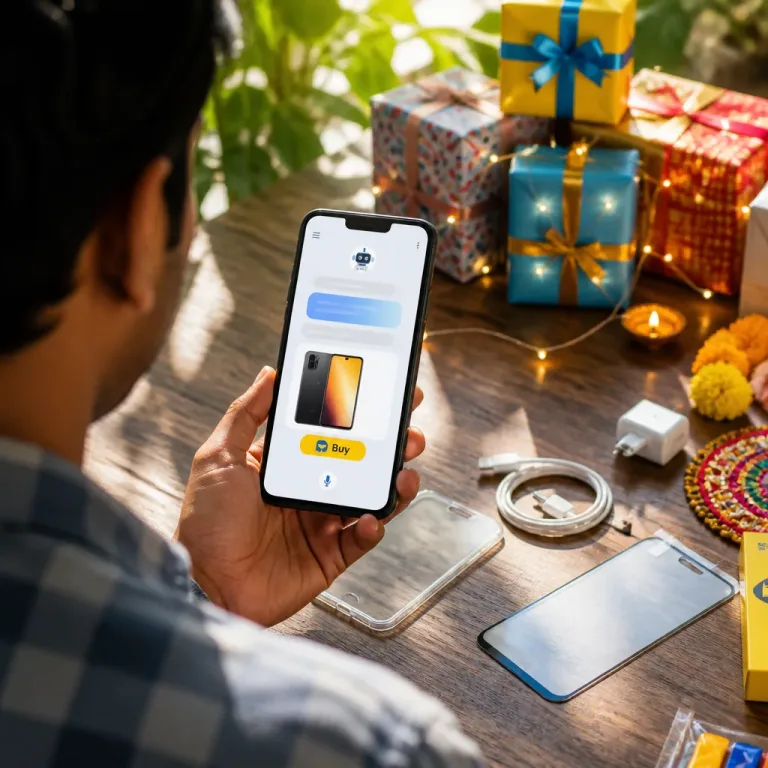
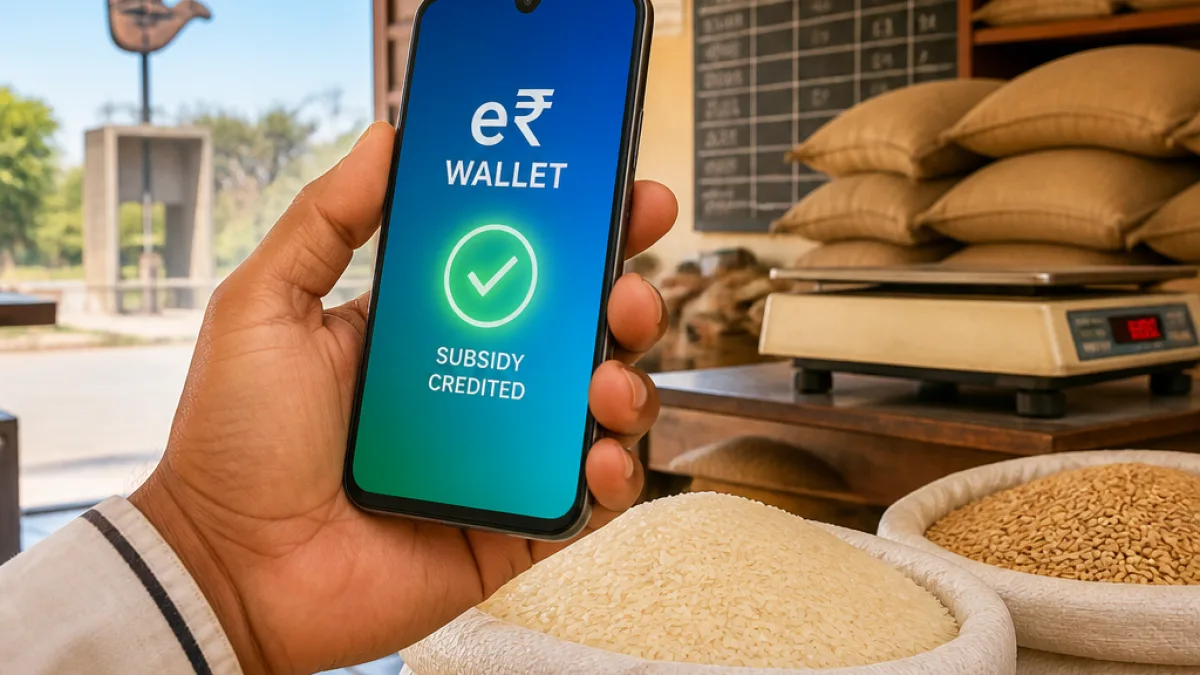
The scheme shifts subsidy crediting away from conventional bank transfers and cash-based distribution to a retail CBDC issued by the Reserve Bank of India, represented by the symbol e₹. Under the model announced, programmable Digital Rupee tokens will be credited to eligible beneficiaries' CBDC wallets and restricted for purchase of designated foodgrains such as wheat and rice from empanelled merchants via QR code scans.
The CBDC differs from bank deposits because the liability for the digital currency remains with the central bank rather than a commercial bank. The new mechanism aims to create an end-to-end digital record of subsidy movement while reducing cash handling in the food-subsidy supply chain.
Operational features and constraints
Key operational features highlighted for the pilot include:
- Programmable tokens: e₹ tokens will carry built-in conditions restricting their use to specific purchases (designated foodgrains).
- Merchant interaction: Purchases will be completed through QR code scans at empanelled merchants authorised under the programme.
- Direct crediting: Subsidy amounts will be deposited into CBDC wallets rather than routed via conventional bank-transfer channels.
Proponents say the design should limit diversion of subsidies and provide a clear digital audit trail from the government to the point of consumption. The approach is being presented as a way to reduce cash handling while ensuring that welfare payments are spent on their intended purpose.
Where this follows earlier testing
Prior pilots of the Digital Rupee were conducted in Gujarat, Puducherry and Chandigarh itself, officials noted. The current rollout marks a move from pilot testing towards a targeted functional use-case — food subsidy delivery under PMGKAY — in two Union Territories.
| Item | Detail |
|---|---|
| Start date | 14 August 2026 |
| Covered scheme | Pradhan Mantri Garib Kalyan Anna Yojana (PMGKAY) |
| Initial Union Territories | Chandigarh; Dadra & Nagar Haveli |
| Payment medium | Retail CBDC (Digital Rupee, e₹) credited to beneficiary CBDC wallets |
What beneficiaries should expect
Beneficiaries selected for the CBDC-DBT will receive subsidy amounts as e₹ tokens in CBDC wallets. Use of these tokens will be restricted to purchases of specified foodgrains from authorised, empanelled merchants through QR-based payment flows. The pilot is structured to provide a digital record of how subsidies are utilised.
Officials emphasise that the liability for the digital currency will rest with the Reserve Bank of India rather than commercial banks. This structural distinction is central to how CBDC accounts and transfers are treated compared with ordinary bank deposits.
Implications and next steps
The pilot will test operational issues such as merchant onboarding, QR payment interoperability, wallet provisioning for beneficiaries and the enforceability of programme-level restrictions on token use. If the model functions as intended, it could be scaled to other jurisdictions and additional welfare programmes.
Observers say the move is significant for digital governance because it couples welfare delivery with programmable money features that allow conditional use. The pilot's outcomes will be closely watched by state and central agencies considering wider CBDC adoption for public payments.
Key points:
- Chandigarh and Dadra & Nagar Haveli to start CBDC-based DBT for PMGKAY from 14 August 2026.
- Subsidies credited as programmable e₹ tokens to beneficiaries' CBDC wallets, redeemable with QR scans at empanelled merchants.
- Prior CBDC pilots were run in Gujarat, Puducherry and Chandigarh.