Council approves rezonings amid strong neighbourhood backlash
Thunder Bay council voted this week to rezone two vacant city-owned properties to allow apartment development, a decision that has drawn sharp criticism from nearby residents and local conservation advocates. The properties were among three parcels the city sold earlier this year as surplus land to Terralux General Contractors and Development Limited.
Pending further approvals, the three development proposals could add more than 900 housing units in Thunder Bay — a city that officials say is short roughly 1,000 units to meet current demand. The projects include proposals for apartment buildings at:
- 791 Arundel St. — originally proposed at 400 units and now revised to around 360 units in two buildings;
- 144 Fanshaw St. — a plan for a single apartment building of about 150 units;
- 300 Tokio St. — two apartment buildings totalling approximately 400 units, on land already zoned for that use.
| Site | Proposed units |
|---|---|
| 791 Arundel St. | ~360 |
| 144 Fanshaw St. | ~150 |
| 300 Tokio St. | ~400 |
| Total | ~910+ |
Neighbours raise environmental and community concerns
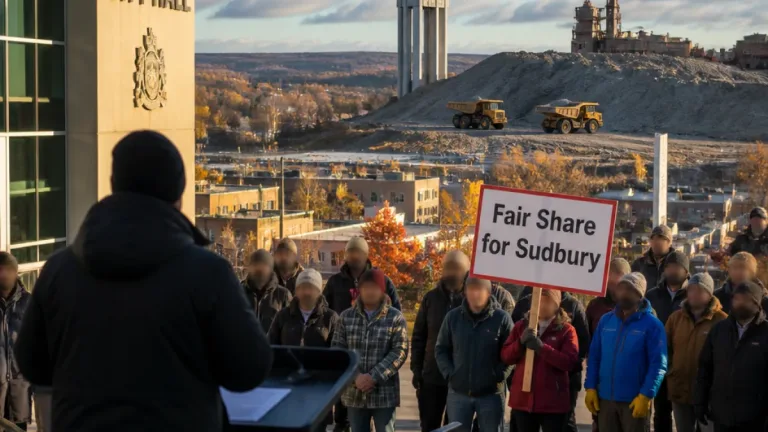
Local resident Lori Santink, who lives near the Arundel Street parcel, said she was not surprised by council’s decision but was nonetheless disappointed. She helped organise TBay Greenspace Preservation, the grassroots group that collected more than 2,600 signatures opposing the developments and held a rally outside city hall that drew more than 100 participants.
"It contravenes the Net-Zero Strategy the city has, the Climate Adaptation Strategy — it just doesn't make sense,"
Santink voiced concerns that the Arundel proposal in particular would undermine Thunder Bay’s climate and adaptation commitments. The group has sought to frame its opposition around loss of green space, local character and alignment with municipal climate goals.
Housing shortage and planning trade-offs
City officials point to a significant local housing shortfall as a driver for repurposing surplus land. With an estimated gap of about 1,000 units, the proposed developments would materially increase the city’s rental and ownership stock if they proceed.
Opponents and proponents alike are navigating the tension common to Ontario municipalities: how to deliver much-needed housing quickly while protecting neighbourhood greenspace and honouring long-term climate strategies. The Tokio Street site was already zoned for the proposed buildings, while Arundel and Fanshaw required rezoning, a step council approved this week.
What comes next
With rezoning in hand for two of the sites, developers are expected to submit building applications for some properties later this year. Those applications will trigger further municipal review, permit processes and opportunities for public input tied to specific building plans and servicing requirements.
For neighbours and local conservation advocates, the issue is not only the quantity of new housing but where and how it is built. The debate in Thunder Bay reflects broader provincial and national conversations about the balance between densification and preservation of urban green spaces, especially in smaller cities with constrained housing supply.
As the plans move forward, residents will be watching municipal staff reports, development applications and any conditions council places on approvals to see whether community concerns around climate alignment, greenspace retention and local infrastructure are adequately addressed.