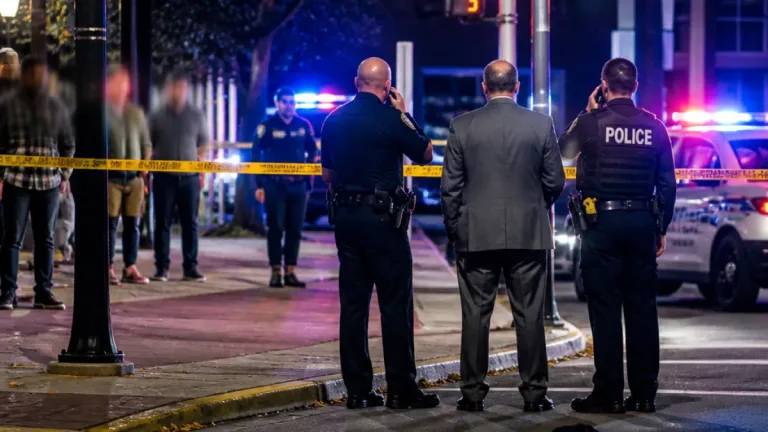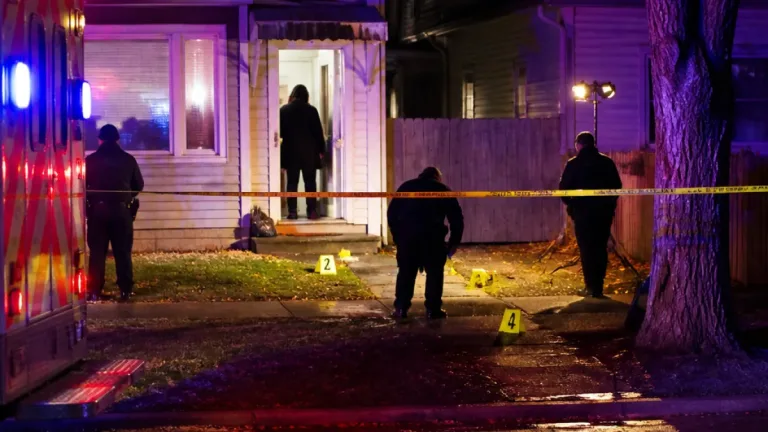
The Parole Board of Canada has granted full parole with conditions to Brayden Bushby, the man convicted in the 2017 death of 34-year-old Barbara Kentner of the Wabigoon Lake Ojibway Nation, according to documents provided to CBC News.
Board found release would not pose 'undue risk'
In its written decision, the board said it had considered “all relevant available information including file information, victim information, Correctional Service of Canada's recommendation and the oral presentation at the panel hearing.” The board concluded that releasing Bushby on full parole would not pose an “undue risk” and that it “will contribute to the protection of society” by facilitating his reintegration “back into society as a law‑abiding citizen.”
Details released by the board note the parole is subject to conditions, though the documents provided to media did not list the specific conditions attached to the release.
Case background and sentence
Kentner, a member of Wabigoon Lake Ojibway Nation, was 34 when she died from medical complications months after being struck by a trailer hitch that had been thrown from a moving vehicle in Thompson, Manitoba, in 2017. Family members have publicly remembered her as a loving mother, sister, cousin and aunt.
Bushby was convicted of manslaughter and sentenced in June 2021 to eight years in prison. Because of time already served, the effective sentence was reduced to seven years and 11 months, according to court records cited in the parole documentation.
Timeline
| Year | Key event |
|---|---|
| 2017 | Trailer hitch thrown from moving vehicle struck Barbara Kentner; she later died from related medical complications. |
| 2021 | Brayden Bushby convicted of manslaughter and sentenced to eight years; reduced to 7 years, 11 months for time served. |
| 2026 | Parole Board of Canada grants Bushby full parole with conditions. |
Community implications in Thunder Bay
The case and the board's decision remain sensitive in Thunder Bay and across northwestern Ontario, where issues of violence against Indigenous women and systemic racism have prompted sustained public concern, advocacy and calls for accountability.
While the parole board's decision rests on assessments of risk and reintegration, families and community members affected by the incident may see the ruling through the lens of broader debates about justice and reconciliation in the region.
- Victim impact: Kentner's family has publicly described her as a loving relative and community member.
- Parole rationale: The board cited file material, victim information, Correctional Service of Canada recommendations and oral submissions in reaching its conclusion.
- Conditions: The parole is granted with conditions; specifics were not disclosed in the documents provided to media.
“The board considered all relevant available information including file information, victim information, Correctional Service of Canada's recommendation and the oral presentation at the panel hearing,”
The decision will be closely watched locally by those seeking clarity about how federal parole decisions intersect with community safety and healing. Thunder Bay residents have followed this case since the original incident and subsequent legal proceedings tied to it.
Local and regional groups that focus on missing and murdered Indigenous women and girls have consistently urged greater transparency and systemic changes to address violence and discrimination. The parole board’s documents note consideration of victim information; how that consideration is received by Kentner’s family and the broader community may shape local conversations in the days ahead.
This story contains references to violence against Indigenous women and may be distressing to some readers. Resources are available through local and national supports.