The City of St. Thomas says it has reached a watershed moment in its multi-year effort to end homelessness: during the first half of 2026 the community moved more people into housing than became homeless, marking a significant reversal for a problem that has strained services and local agencies.
What the milestone means locally
Municipal leaders and local service providers have been pursuing an integrated housing strategy aimed at boosting the supply of supported and affordable housing while improving outreach and case management for people at risk of or experiencing homelessness. City officials described the latest results as evidence that those combined efforts are beginning to pay off.
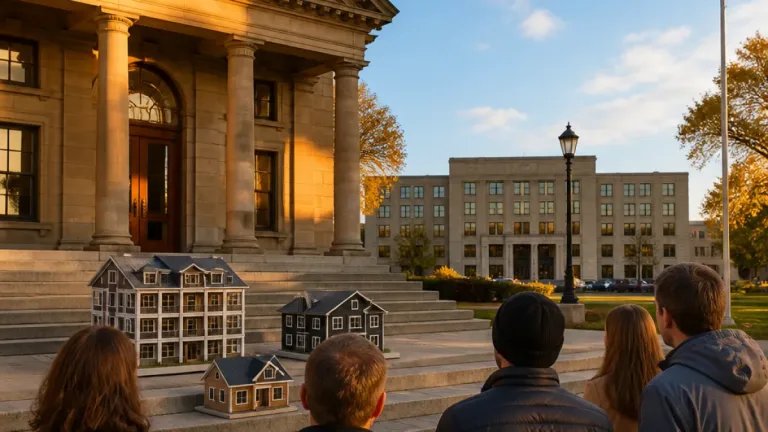
Officials also highlighted the potential to expand housing options by bringing additional land near the city's core back into productive use. The mayor has flagged several contaminated parcels close to downtown that, once remediated, could be candidates for new housing developments.
- Supply-side action: creating or converting units for people exiting homelessness.
- Service-side action: enhanced outreach, supports and housing-first approaches to keep people housed.
- Longer-term land strategy: remediation and redevelopment of contaminated lands near the core to create future housing sites.
City strategy and next steps
St. Thomas's plan links short-term housing placements with medium- and long-term measures, such as securing land for future developments and coordinating provincial and federal funding streams. City staff and council have discussed the remediation of contaminated sites as part of a broader land-use initiative to unlock infill opportunities close to services and transit.
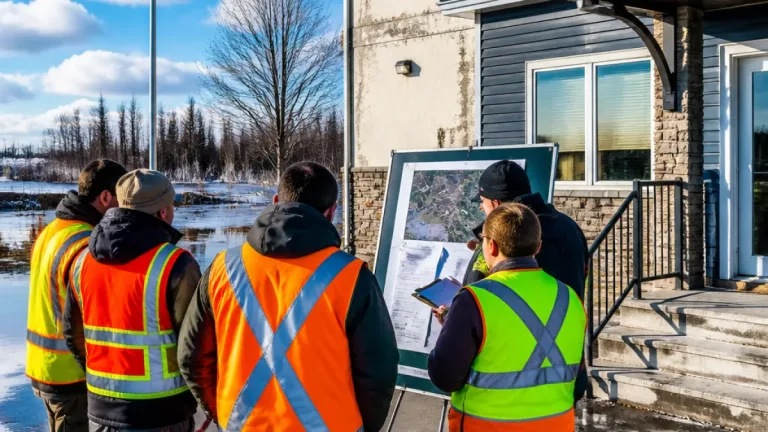
Redeveloping previously contaminated parcels would require environmental remediation before housing could be built. That work typically involves assessment, clean-up and regulatory approvals, and can be a slow and costly process — but municipal leaders consider it essential to expanding the city’s housing inventory in locations that offer residents convenient access to amenities and services.
| Indicator | Direction, first half of 2026 |
|---|---|
| People moved into housing | Increased (exceeded new homelessness entries) |
| People becoming homeless | Decreased or outpaced by placements |
Local consequences and challenges
For residents, the milestone could mean fewer people living on the streets or in precarious temporary arrangements, and better access to the supports needed to stay housed. For community organizations and front-line workers, it suggests the workload may shift from emergency response toward sustaining and supporting tenancies.
Despite the positive indicator, council and agencies caution that the victory is fragile. Housing stability requires an ongoing pipeline of affordable units, continued support services and cooperation from senior governments to fund both capital and operating costs. The remediation and redevelopment of contaminated lands, while promising, will take time and sustained investment before it produces new homes.
City officials say maintaining momentum will depend on:
- securing funding for both housing construction and tenant supports;
- advancing remediation work on targeted parcels near the core; and
- coordinating municipal planning with provincial and federal programs to speed up delivery of new units.
The milestone arrives as St. Thomas continues to balance short-term relief with long-term planning. City leaders have made housing a priority in recent council discussions, and the mayor has publicly pointed to contaminated lands near downtown as potential sites once remediation is complete.
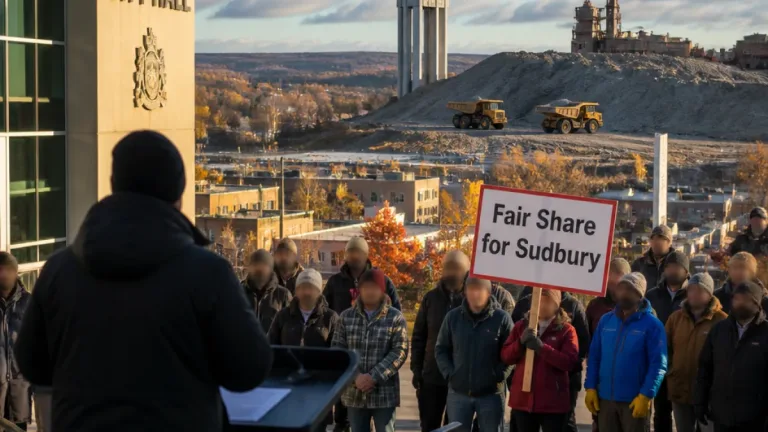
Photographs accompanying city briefings show civic leaders discussing those parcels. The image of the mayor speaking about contaminated lands near the city's centre was taken on March 4, 2026. Moving from discussion to construction will require detailed environmental work, funding commitments and collaboration among multiple levels of government and local partners.
For now, the fact that more people were moved into housing than became homeless in the first half of 2026 is being treated as a milestone — the start of a new phase in the Railway City’s long-term effort to reduce and ultimately end homelessness.