St. Catharines has moved from immediate recovery to planning for the future after three intense storms in late July and early August triggered unprecedented flooding across the city, Mayor Mat Siscoe said Monday as he used his mayoral powers to direct staff to prepare a comprehensive, long-term response.
From emergency response to resiliency planning
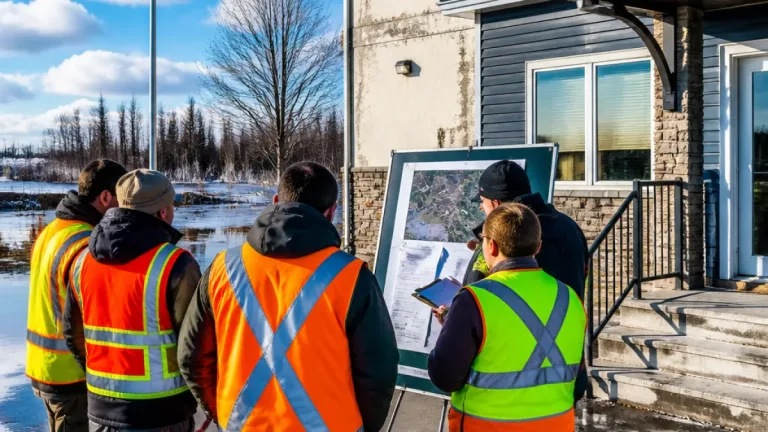
Siscoe declared a state of emergency after two storms — on July 27 and 28, and again on Aug. 2 — that dumped what the city described as months' worth of rain in a matter of hours. Those events, which followed another heavy storm on July 21, left "thousands of residents across St. Catharines" dealing with flooding, including basements contaminated with sewage and widespread property damage.
"While emergency response and recovery remain our immediate priority, we also have a responsibility to ensure our community is better prepared for the future," Siscoe said. "Behind every flooded basement is a family dealing with disruption, financial loss and an incredible amount of stress."
In his Mayoral Direction, Siscoe ordered city administration to report back with recommendations across seven key areas intended to reduce the risk of similar catastrophic impacts from extreme rainfall in the years ahead. The directive blends immediate fixes, longer-term capital planning and improved public engagement and monitoring.
What the city will examine
The mayor asked staff to pursue both an independent technical review and neighbourhood-level prioritization. Elements in the direction include forming an independent flood resilience review team, creating transparent criteria to identify priority neighbourhoods, enhancing the city's homeowner-focused flood mitigation program, and reviewing stormwater maintenance practices.
- Independent Flood Resilience Review: an expert working group of engineers, infrastructure and environmental professionals and community leaders to investigate causes and build a funding business case.
- Priority Flood Mitigation Areas: criteria to pinpoint neighbourhoods most in need and recommend short- and long-term projects.
- Flood Alleviation Program enhancements: review and expand eligible measures and funding options to protect homes.
- Stormwater maintenance review: examine inspections, replacements and service levels for catch basins, culverts, ditches and watercourses.
- Improved public reporting and monitoring: better ways for residents to report blocked waterways and drainage problems.
- Public education and preparedness: expand outreach so residents know how to prepare and respond.
- Funding strategy: build a business case to pursue provincial and federal investment.
| Component | Purpose |
|---|---|
| Independent review | Investigate recent events and propose technical, policy and funding solutions |
| Priority neighbourhoods | Target immediate actions and long-term capital projects to highest-risk areas |
| FLAP enhancements | Broaden homeowner protections and improve participation and funding |
Local consequences and political implications
For residents whose basements were inundated with sewage-tainted water, the mayor's direction signals a move beyond cleanup and insurance claims toward systemic changes. Those affected have been left with repair bills, disrupted daily life and concerns about long-term insurance and property values. The mayor has explicitly called for a business case to be assembled to secure provincial and federal funds, an acknowledgment that municipal resources alone will not be sufficient for major capital upgrades.
City officials have also been asked to look at lessons from other jurisdictions' homeowner programs — Toronto's Flood Protection initiatives were noted as an example to study — and to improve how municipal crews monitor and maintain stormwater infrastructure. For neighbourhoods along older watercourses or with ageing sewers, the review could lead to new maintenance standards or accelerated capital replacement plans.
How quickly recommendations will translate into capital projects, grant applications or regulatory changes remains uncertain. The direction requires staff to return with specific recommendations and a proposed funding strategy; the timing for that report was not specified in the mayoral statement. Council will ultimately need to consider and approve any major expenditures or program changes.
As St. Catharines cleans up, the mayor framed the work as both a moral obligation and a practical necessity: residents "don't expect us to control the weather. They do expect us to learn from it, prepare for it, and fight for the investments needed to protect our community," he said.
The next phase will test the city's ability to translate urgent local suffering into sustained infrastructure investment and stronger flood resilience amid a changing climate — a challenge faced by many Ontario municipalities straddling urban development and aging stormwater systems.