Garden on expropriated land becomes cultural and food security hub in Pickering
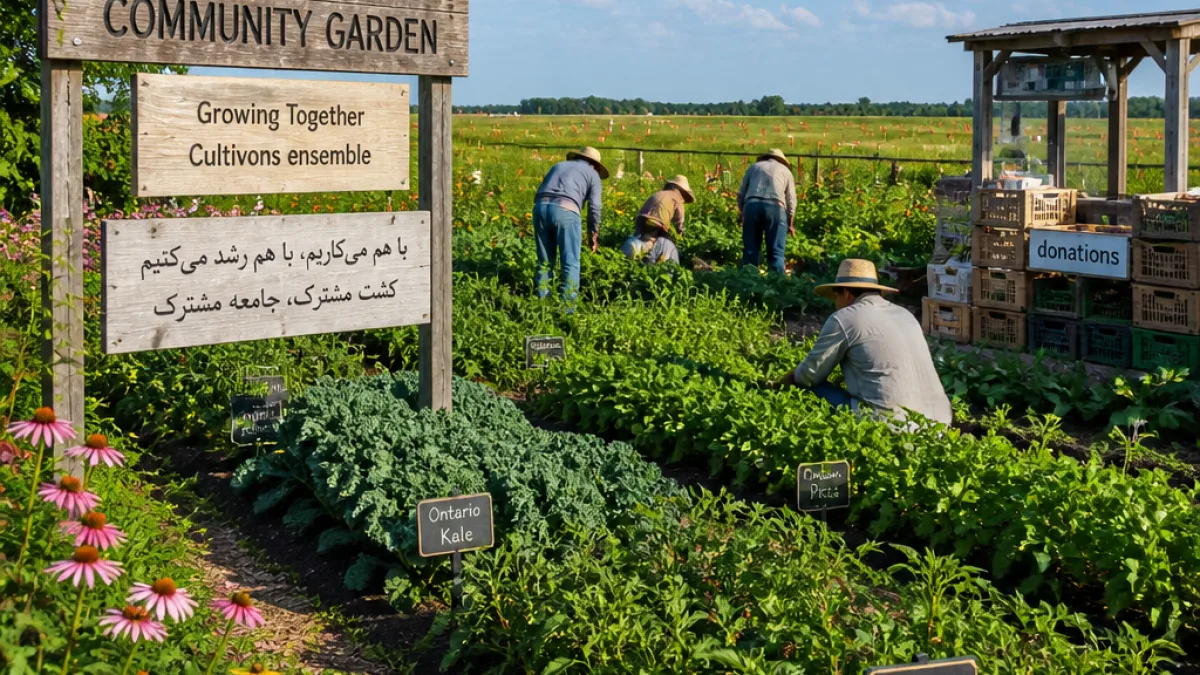
On a cool morning this summer, rows of vegetables ripple across a two‑acre plot of land in north Pickering, a patchwork of familiar Ontario staples and plants brought from halfway around the world. The Common Ground Community Garden sits on federally owned soil—land originally expropriated more than 50 years ago for a proposed airport that never materialized.
The garden’s members say the site has evolved into more than a place to grow food. For newcomers such as Jalaluddin Jalal, who arrived from Afghanistan, the plots are a way to stay connected to home, learn from neighbours and contribute to the wider community.
“The seed I brought from Afghanistan just for the experience,” Jalal said. “When I join there, I get very good experience from them (members) and connection with the people to know different people from different countries.”
Jalal has been a member of the Common Ground Community Garden for about two years. Among the vegetables he tends are onions, garlic, tomatoes, zucchini and cucumbers. This year he also planted squash grown from seeds he brought from Afghanistan, a small experiment in acclimatising a home variety to Pickering’s climate and soil.
Garden members say a portion of the harvest is regularly donated to a local food bank, a practice that links the cooperative’s cultural and social aims with local food security needs. The garden demonstrates how small, organised plots can meet multiple objectives: preserving cultural growing practices, integrating newcomers and easing demand on food supports.
Soil, history and a demonstration of potential land use
The two‑acre site occupies some of the region’s highly productive agricultural soil. That quality is not accidental: the land was cleared decades ago as part of a federal plan to build an airport that never came to pass. Today the garden’s cooperative members use the space as an applied example of what could be done with the much larger landscape if alternative visions for the area are considered.
Members say the cooperative was created deliberately to show the capacity of the soil and the benefits of small‑scale, community‑driven agriculture. The garden’s aerial presence and the diversity of crops grown provide a visual and practical case study for municipal planners and residents who debate the future of north Pickering’s open lands.
- Location: two‑acre Common Ground Community Garden, federally owned land in north Pickering
- Crops noted: onions, garlic, tomatoes, zucchini, cucumbers and squash from Afghan seed
- Community benefit: portion of harvest donated to a local food bank; social connections for newcomers
For many gardeners, working the soil is also a social bridge. Jalal said joining the garden eased the isolation he initially felt after arriving in Canada and provided regular contact with people from many countries. The transfer of knowledge—both horticultural and cultural—has become a central part of the garden’s informal mandate.
| Feature | Detail |
|---|---|
| Size | Approximately two acres |
| Ownership | Federally owned land (expropriated for proposed airport) |
| Crops highlighted | Onions, garlic, tomatoes, zucchini, cucumbers, Afghan squash |
| Community use | Members grow food, exchange knowledge, donate portion to local food bank |
Garden members and neighbours will likely watch closely as conversations about land use in north Pickering continue. The parcel’s history as expropriated airport land, combined with its demonstrable agricultural potential, raises practical and political questions about what the city and federal government should prioritise for the area.
For now, the Common Ground Community Garden is a working answer to those questions: strips of cultivated soil where newcomers can plant memories, neighbours can share expertise and a portion of the harvest can be redirected to residents who need it most. The garden’s mix of global seeds and Ontario staples is, in small but concrete ways, knitting new arrivals into the civic fabric while reminding Pickering of the value of its open spaces.