Federal officials have released details of a licence buyback program intended to assist wild oyster fishers affected by the MSX and dermo pathogens, but a Prince Edward Island fisher group says its suggestions were largely ignored in the plan.
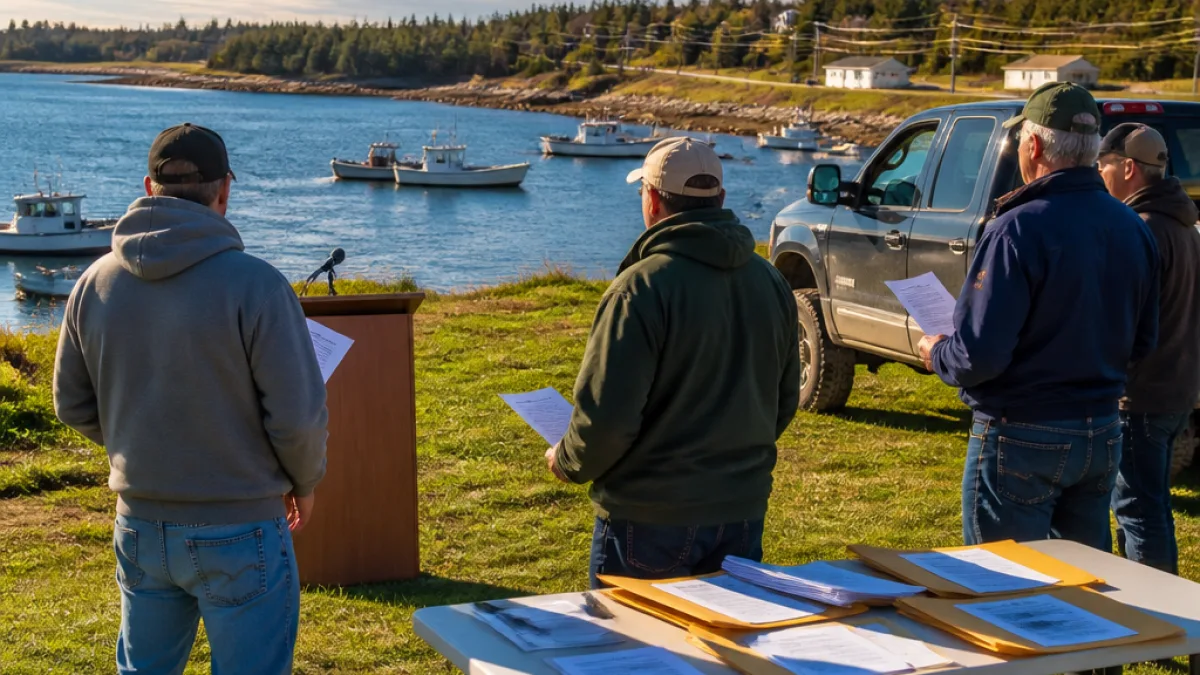
At an announcement in Red Head Harbour, Morell, on Aug. 11, Federal Fisheries Minister Joanne Thompson framed the buyback as an option for harvesters who are coping with the biological and economic impacts of disease and who wish to stop fishing.
Local group says input was sidelined
The P.E.I. oyster fisher group has voiced disappointment that recommendations it supplied during consultations were not reflected in the federal program details. The group argues that any buyback must consider local fishing practices and the unique ways the disease outbreaks have affected shore-based communities across the Island.
Representatives of the group say they provided specific ideas during consultations but found Ottawa’s released plan did not adopt those proposals. The group's criticism underscores continuing tension between individual harvesters, local co-operatives and federal policy-makers as the industry navigates disease, market and environmental pressures.
What Ottawa has said so far
Federal officials describe the buyback as a voluntary measure for license holders who wish to exit the fishery. The program is presented as part of Ottawa’s response to the oyster industry’s struggles with infectious pathogens — commonly referred to as MSX and dermo — which are known to contribute to oyster mortality and reduced productivity.
"The licence buyback program will help those in the industry, which has been beset by the MSX and dermo pathogens, who wish to exit to 'move on with their lives,'" a federal account of the announcement said.
The minister made the announcement in P.E.I., signalling federal attention to marine health issues in the region. Beyond that statement, Ottawa’s released details outline the program’s voluntary nature but do not, in the material seen locally, capture the full range of local proposals, according to the fisher group.
Impacts on Island communities
Oyster fishing is an important source of income for many coastal residents on P.E.I. and supports related businesses, from processing to transport. When a licence-holder leaves the fishery through a buyback, it can have mixed consequences: some communities lose active harvesters and local expertise, while others see potential for fewer competing licences and reduced pressure on stocks.
Local leaders and fishers will be watching how the program is implemented, who is eligible and how compensation will be determined. The fisher group's complaint that its input was not adopted may prompt more requests for clarity and further dialogue with federal officials.
- Who announced the program: Federal Fisheries Minister Joanne Thompson at Red Head Harbour, Morell.
- Who is affected: Wild oyster licence-holders contending with the effects of MSX and dermo pathogens.
- Nature of program: Voluntary licence buyback intended to help fishers who wish to exit the industry.
| Item | Details |
|---|---|
| Location of announcement | Red Head Harbour, Morell, P.E.I. |
| Minister | Joanne Thompson |
| Primary issues | MSX and dermo pathogens impacting wild oysters |
What comes next
Details emerging from Ottawa will need local clarification. Fishers and community representatives are likely to press for transparent eligibility criteria, timelines and compensation formulas that reflect the varied circumstances of harvesters across the province.
For now, the P.E.I. group’s public comments reflect frustration that local knowledge and on-the-ground realities were not fully incorporated into the federal plan. That sentiment may drive further meetings between Islanders and federal staff, and possibly calls for adjustments to the buyback as it is rolled out.
As the program moves forward, Island residents will be monitoring how it affects coastal livelihoods and whether further measures will be introduced to support the long-term resilience of P.E.I.'s oyster industry.