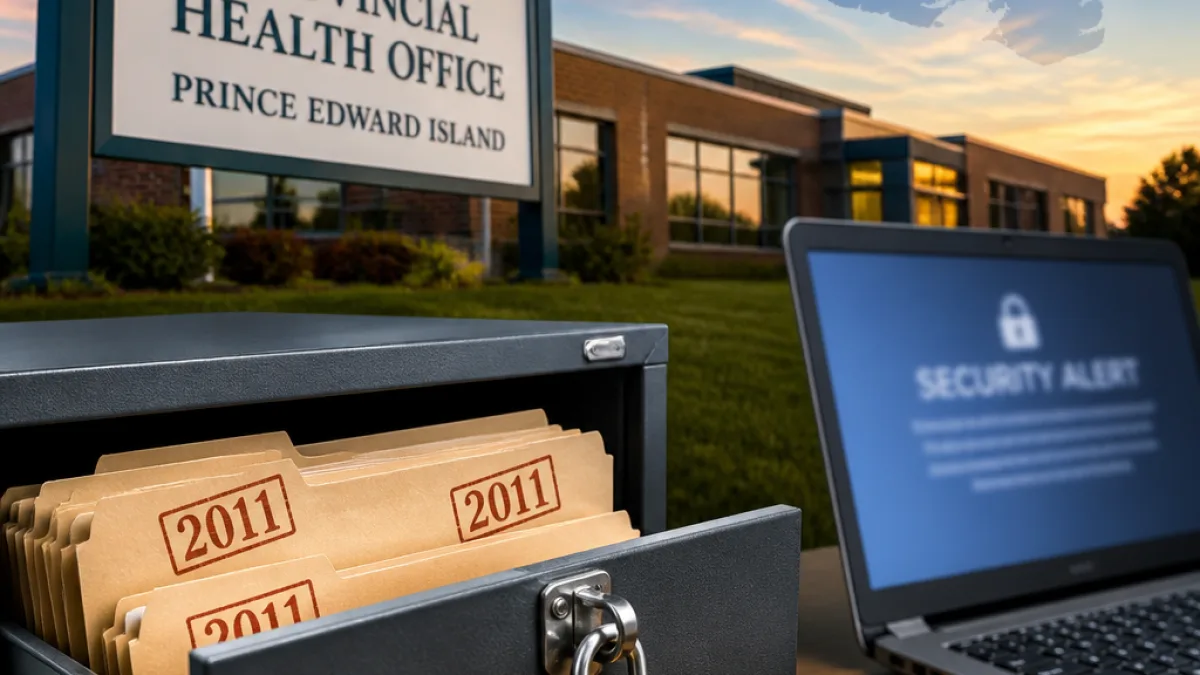
Prince Edward Island's provincial government and the University of Prince Edward Island temporarily took public-facing websites offline on Wednesday afternoon after programmers identified two security vulnerabilities in the widely used programming language PHP.
Immediate precautions to shield public services
The disruptions were described by both institutions as proactive measures to give technicians time to apply emergency updates and prevent possible exploitation of the flaw, which affects millions of servers worldwide when left unpatched.
The university said it was “temporarily bringing all public-facing web services offline while emergency updates are performed.”
“Temporarily bringing all public-facing web services offline while emergency updates are performed.”
Similarly, the provincial government took its website and related web services offline and said they would remain down “for the remainder of the day,” with normal operations expected to resume on Thursday.
“For the remainder of the day,”
Why the PHP flaw matters to Islanders
PHP is a common server-side scripting language that runs in the background of many websites and online control panels. A vulnerability in PHP can enable attackers to run malicious code or gain unauthorised access to web servers, potentially exposing sensitive data or disrupting services.
On P.E.I., taking sites offline aimed to reduce the attack surface while system administrators patched affected components. That means Islanders may have experienced interruptions to web-based services such as forms, publications, or online content while technicians worked behind the scenes.
Services affected and what to expect
The exact list of affected services was not detailed by either organisation, but public-facing web pages and associated online services were taken down. Officials indicated the action was temporary and coordinated with broader national and international responses.
- Government web pages: Provincial site and some provincial web services offline.
- University web services: UPEI public-facing services brought down for emergency updates.
- No indication of data breach: The measures were presented as preventative rather than response to a confirmed compromise.
Timeline
| Event | Date |
|---|---|
| Vulnerabilities identified by programmers | Wednesday |
| P.E.I. government and UPEI sites taken offline | Wednesday afternoon |
| Planned resumption of normal operations | Thursday (expected) |
Officials did not provide specific timestamps for when services would return, other than the expectation that normal operations would resume the next day once patches were applied and systems verified.
Broader context and coordination
Across Canada and internationally, other governments and organisations took similar steps after the flaw was reported. The precautionary takedowns align with standard cybersecurity practice: temporarily restrict external access to systems while urgent patches are deployed and validated.
Public-sector IT teams often work with federal cybersecurity partners and vendor communities to roll out patches quickly. On an Island the size of P.E.I., coordination between provincial and institutional IT teams, and clarity for residents about where to seek services during outages, is important.
What Islanders should know and do
There is no indication at this time that the vulnerabilities were exploited on P.E.I. Nonetheless, Islanders who rely on online provincial or UPEI services should plan for brief interruptions and use alternate contact methods if urgent business is required — phone lines, in-person services or email, where available.
- Check official social channels for updates from government and UPEI.
- If you have urgent business with a provincial department or the university, contact them by phone or visit local offices where possible.
- Be cautious of phishing or suspicious messages claiming to be part of the outage response; legitimate communications will come from official accounts.
Representatives did not report any confirmed data loss or breaches tied to the PHP vulnerability in P.E.I. as of the last statements. Technicians were applying globally issued security patches to shore up systems and planned to restore normal access once they were satisfied systems were secured.
This precautionary outage highlights how Island residents rely on unseen layers of internet infrastructure. When critical components such as PHP require emergency updates, the ripple effect can be immediate — and temporary — while administrators work to keep services and data safe.