Oakville council has enacted a one-year moratorium on new data centres, becoming the first municipality in Ontario to pause approvals as local leaders weigh the impacts of a rapid buildout of facilities that power artificial intelligence.
Council asks staff to update rules on noise, emissions and land use
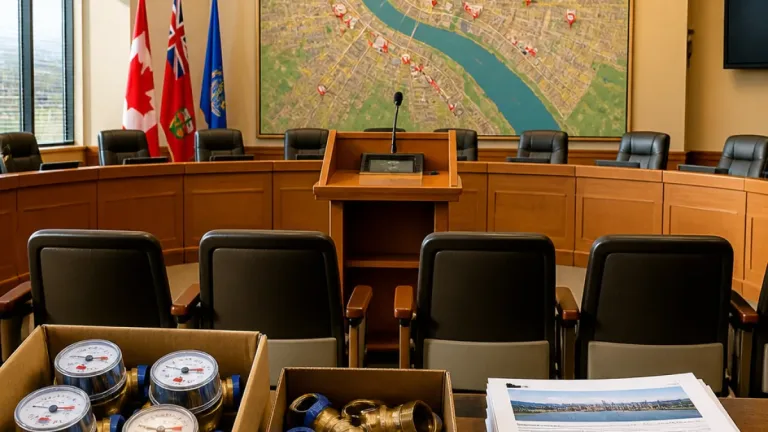
The unanimous decision at a special meeting directs town staff to conduct a comprehensive study of whether Oakville’s current regulatory framework adequately addresses issues linked to data centres, including potential noise, vibration and emissions, as well as broader land-use considerations.
“We’re operating here not out of fear, and not in reaction to any one application. That’s our job: to be alert, and to take the measures necessary.”
The mayor’s remarks were delivered ahead of the vote, signalling local leaders want to proceed deliberately rather than reactively. Council members stressed the moratorium is intended to create time for evidence-based policy, not to block future investment outright.
A precaution in the face of regional momentum
Oakville’s move comes as neighbouring municipalities, including Mississauga, consider similar freezes and as Ontario communities grapple with how to balance economic development and infrastructure pressures from data-centre projects. While town officials said there were no formal data-centre applications at the time of the vote, land records show a Hive Digital Technologies subsidiary purchased property in Oakville shortly before the company announced plans in May for a 320-megawatt AI-focused facility in the Greater Toronto Area slated for the latter half of 2027.
Coun. Tom Adams, who represents the ward that includes the property in question, backed the moratorium as a prudent planning step. He urged council to pursue an evidence-driven review of how these facilities intersect with municipal systems and community well-being.
“Oakville deserves a clear, evidence-based understanding of how data centres interact with our electricity, our water, our wastewater and our telecommunications infrastructure, our environmental goals, our employment lands, the character of our neighbourhood, and, most importantly, the health of our residents.”
What the pause will examine
Council has asked staff to return with recommendations that may include:
- Updating noise and vibration standards tied to large computing operations;
- Assessing air emissions and potential impacts on local environmental objectives;
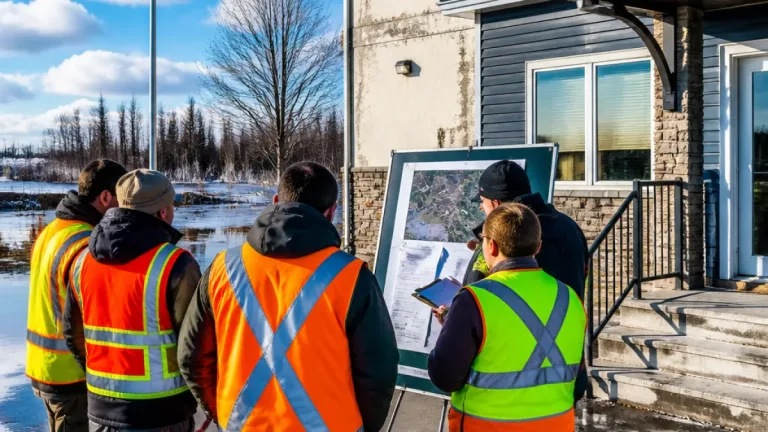
- Analysing effects on municipal utilities, including electricity, water and wastewater capacity;
- Reviewing compatibility with employment lands and neighbourhood character.
Officials did not set a timeline for the study’s completion beyond the one-year moratorium window, but councillors signalled urgency in understanding how to safeguard local services and the health of residents.
Industry response and local context
A spokesperson for Hive did not comment directly on the moratorium but issued a statement acknowledging the town’s right to develop planning rules and expressing the company’s intention to be transparent.
The province-wide interest in data-centre development is shaped by the surge in demand for AI computing power. Municipalities must now consider not just the immediate land-use impacts, but also long-term consequences for energy consumption, noise footprints, and industrial zoning in areas that border residential communities.
Urban and suburban stakes
On-the-ground, Oakville’s decision underscores a recurring tension in the Toronto-area suburban ring: how to attract investment and high-skill jobs while preserving community character and municipal service capacity. For residents near employment lands, the introduction of large-scale data centres can raise questions about traffic, sound, and nearby industrial transitions. For municipal staff, the pressure lies in forecasting utility demands and ensuring local infrastructure keeps pace.
The moratorium gives Oakville space to align planning policy with provincial and regional objectives, and to prepare concrete rules that other Ontario municipalities will be watching closely.
What to expect next
Town staff will undertake the directed review and report back to council with proposed amendments or policy recommendations. The outcome could range from new operational standards and zoning restrictions to development agreements that require mitigation measures. The decision will likely inform similar conversations across the Greater Toronto and Hamilton Area as communities confront the rapid expansion of AI-related infrastructure.
For residents and local businesses, the key near-term takeaway is that Oakville has chosen a measured path: pause, study and then decide — a process that could set a template for other municipalities balancing growth and community safeguards in the AI era.