
More than temporary tents
As colder weather approaches, some unhoused Montrealers are constructing shelters that go well beyond the traditional tent. In the Steinberg forest, in the east-end borough of Mercier–Hochelaga-Maisonneuve, Jocelyn Motard is assembling a structure from pallets, tarps, ropes and pieces of insulation. He hopes it will provide more room and warmth than the tent where he has lived for years.
Motard is part of a wider trend being observed in Montreal encampments. Some of the structures are described as resembling small cabins, reflecting the efforts of their occupants to remain in place through the winter rather than move repeatedly between outdoor locations and emergency accommodation. The improvised buildings are being put together with whatever materials are available, alongside considerable ingenuity from the people who live in them.
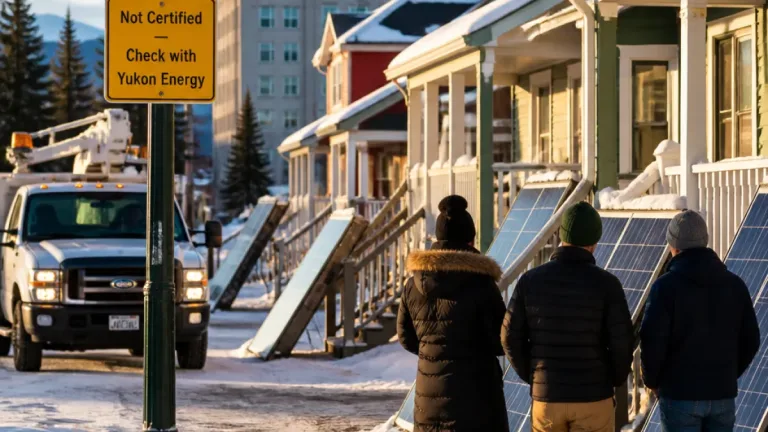
The scale and design of the structures have also raised concerns for municipal officials. Some are being fitted with generators and solar panels, features that may help residents obtain heat, light or power but that introduce potential hazards in densely built or makeshift settings. The city is taking a closer look at the trend as winter nears, with fire risks and other safety issues among the concerns identified.
A difficult choice for people without housing
The situation highlights a challenge that is not easily reduced to a question of where people should sleep on a given night. People living in tents or encampments are often directed toward shelters, but some say those facilities do not feel safe or suitable. Motard said he had tried staying in shelters before and did not want to return to an environment he associated with troubling experiences.
“It’s the kind of place that you can find a lot of darkness.”
His account illustrates why a simple instruction to leave an encampment may not resolve the underlying problem. For residents who have already experienced homelessness, the choice can involve competing risks: remaining outdoors in structures that may not be equipped for severe weather, or entering accommodation they may distrust or consider unsafe. The reported growth of more substantial shelters shows how people are trying to manage that choice themselves.
City preparing to discuss the need for shelter
The issue comes as Montreal plans to convene a summit on homelessness. The gathering is expected to address the growing need for accommodation, although the available information does not specify its date, format or the measures that may result from it. Its timing places the encampment question alongside the approaching winter, when the limits of outdoor living become more pressing.
The immediate concerns identified in the report can be summarized in three areas:
- Winter exposure: residents are seeking more insulated and spacious structures than tents can provide.
- Fire and equipment hazards: generators, solar panels and improvised construction create additional safety questions.
- Access to shelter: some people have tried emergency shelters but say they did not feel safe there.
For Montreal, the growing presence of makeshift cabins presents both a public-safety question and a test of how the city responds to homelessness. Structures assembled from salvaged materials can be dangerous, but removing them without an alternative could leave people exposed to the same weather and insecurity they are trying to escape. The city’s closer examination and planned summit will help determine whether the response focuses only on dismantling unsafe structures or also addresses why some residents choose them over available shelter.