Queer Art Club returns to Milton with a more relaxed, community-led approach
After a three-year run that ended in February, the Queer Art Club is back at the Milton Artists’ Guild with a pared-down format aimed at lowering barriers for participation and rebuilding the community that gathered around the project when it began in January 2023.
The club’s restart this month marks a deliberate shift away from the more structured programming of its first iteration, which at times included catered dinners and teaching artists supported by grants and partnerships. The founders said they plan to keep the gatherings informal: artists are welcome to bring their own projects, use supplies available on site or simply spend an hour creating in the company of others.
- Founders: Katherine Leung, Mikayla Groseclose, Annika Cooper and Patrick McAllister.
- Location: Milton Artists’ Guild.
- Format: Free, monthly, drop-in; no classes, one organiser present to guide newcomers.
- Funding: Support from the Vermont Community Foundation’s Samara Fund.
- Attendance: About six people at the first meeting back; past meetings drew roughly 20 to 30 participants.
Those numbers speak to the uneven rhythms of community arts groups, particularly those serving small populations and specific constituencies. Organisers said they expect attendance to climb again as word about the club’s return spreads.
“We’ll keep it more chill,” one organiser said. “We won’t have classes anymore, but we will have one of us here to guide new artists. We also have supplies folks can use if they don’t have any.”
The club was founded in January 2023 as a space for LGBTQ+ artists and allies to gather, create and connect. During its first run, the project received support from organisations including the Vermont Community Foundation, Outright Vermont and National Art Strategies. That earlier model allowed organisers to host teaching artists and social components like catered dinners, but it also introduced logistical and financial demands.
With the Samara Fund providing renewed backing, the founders opted for a simpler model that reduces overhead while preserving the social and creative benefits participants reported. For many community arts initiatives, this sort of recalibration is common: funding cycles and volunteer capacity fluctuate, and groups adapt their offerings to match current resources and community needs.
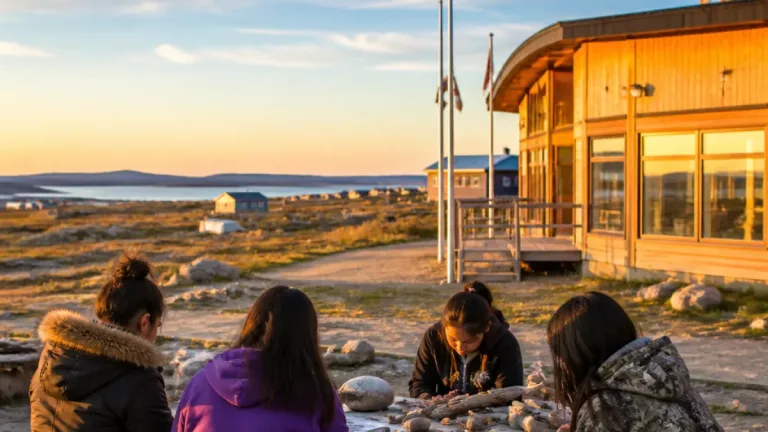
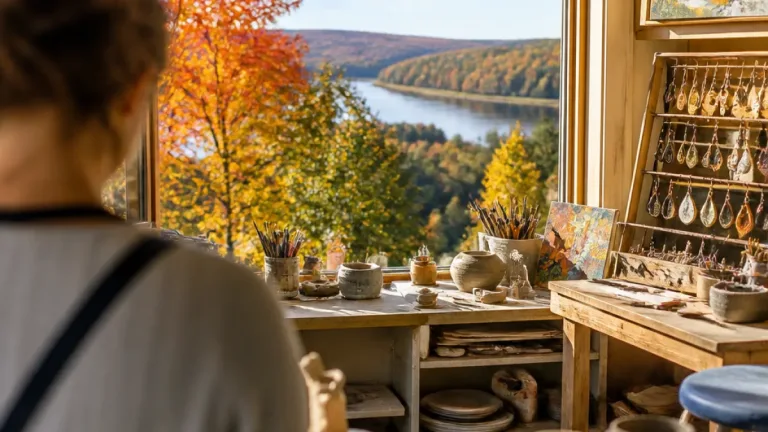
On a recent Saturday evening at the guild, the atmosphere reflected that trade-off. A small group of artists worked quietly at a table, chatting intermittently and sharing materials. There was no collective project or instructor directing the session; instead participants were free to follow their own creative impulses.
For long-term organisers and volunteers, the choice to prioritise accessibility is also a strategic one. By keeping meetings free, open and low-pressure, the Queer Art Club lowers barriers to participation for those who might be new to art-making, lack supplies or prefer informal social settings to more structured classes.
Organisers said materials will remain available for those who need them, and at least one founder will be on hand to help newcomers. That kind of on-site, peer-led support can be crucial in rebuilding momentum after a hiatus — it signals that the space is welcoming without requiring formal registration or fees.
| Item | Details |
|---|---|
| Founded | January 2023 |
| Hiatus | Ended in February (three-year run concluded) |
| Current format | Monthly, free, drop-in |
| Support | Vermont Community Foundation’s Samara Fund |
For Milton residents following local arts activity, the club’s return is a reminder of the resilience of volunteer-led culture and the value of simple, repeatable offerings that can survive changes in funding or volunteer capacity. As attendance recovers, organisers hope the relaxed model will foster sustained relationships among artists and allies in the area.
Anyone interested in attending is advised to check directly with the Milton Artists’ Guild for dates and times. The club’s emphasis on accessibility — free entry, available supplies and minimal structure — makes it an option for both seasoned creators and those curious about trying art-making in a welcoming setting.