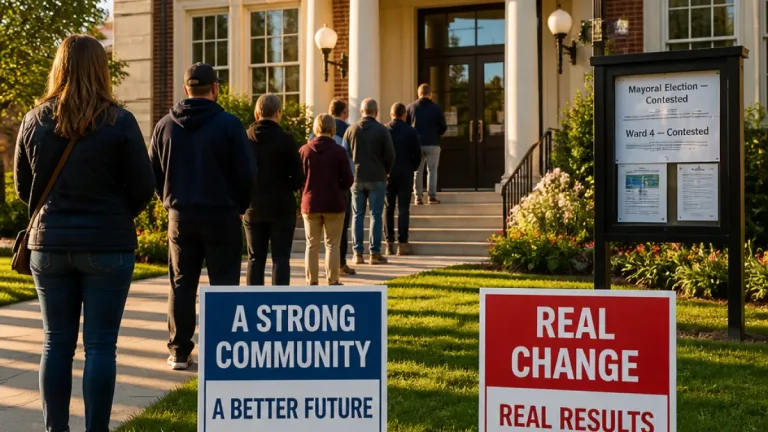
New Brunswick's review of a 12-year moratorium on hydraulic fracturing has renewed painful memories for Mi'kmaw community members who protested shale gas exploration in the early 2010s, and has prompted renewed questions about how decisions over resource development will affect Indigenous lands and peoples.
From Rexton roadblocks to a provincial moratorium
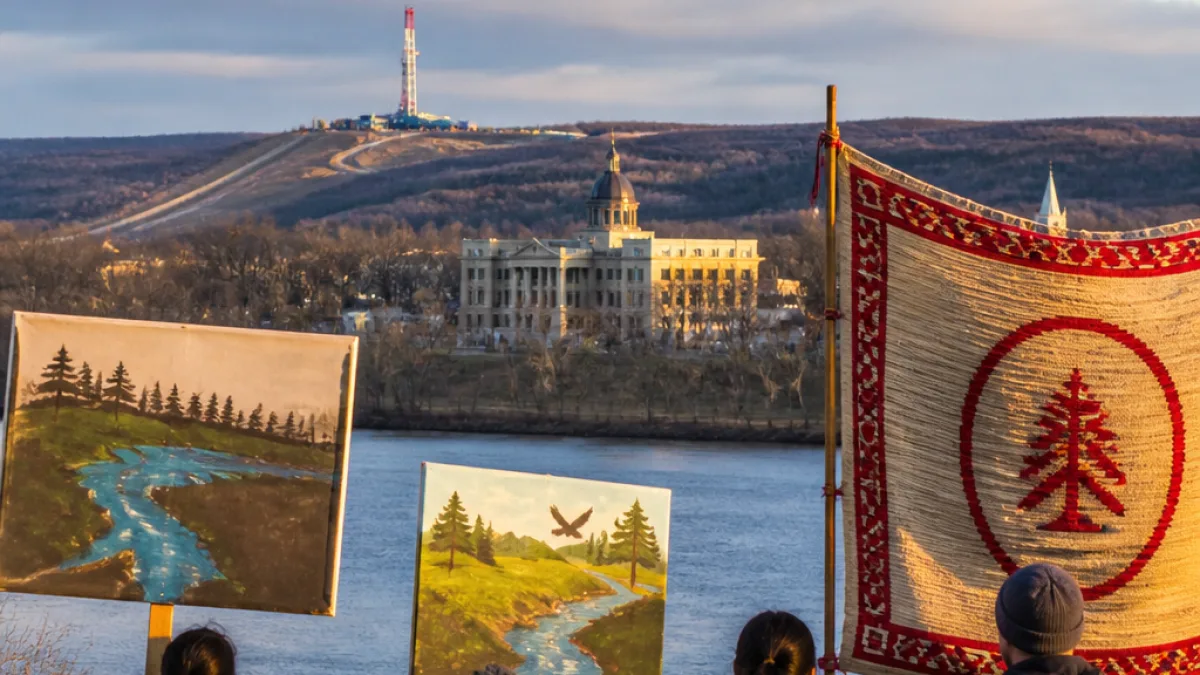
Between 2011 and 2013, members of Elsipogtog First Nation and allied protesters mounted a sustained campaign against shale gas exploration near their community. Blockades, demonstrations and a high-profile standoff on Route 134 in Rexton culminated in a confrontation that remains a defining moment for many residents.
Those protests were aimed at operations by Southwestern Resources Canada (SWN), which had obtained exploration rights over large tracts of the province to search for shale gas. The demonstrations included efforts to block access to the company’s seismic “thumper” trucks — vehicles used to create ground vibrations to map underground geology.
In the years that followed, the provincial government put a moratorium in place on shale gas development. That 12-year pause has now been reopened for review, raising the prospect that the industry could return to New Brunswick if political, regulatory and social conditions change.
Mi'kmaw leaders reflect on what might come next
For many who took part in the 2013 protests, the possibility of a revived fracking sector is both painful and alarming. Standing on the stretch of Route 134 where the protests unfolded, community member Jason Augustine said the return of the debate has stirred strong emotions.
"I knew I'd be back here for coming to pray, but not to look at what they're trying to do with the moratorium now,"
He added: "I never imagined that." Those words, reported during CBC's coverage, capture a broader concern among Mi'kmaw leaders about whether their voices will be heard if the province pursues renewed shale gas activity.
Questions of consultation, consent and land rights
Reopening the moratorium raises fundamental questions about consultation with Indigenous peoples, recognition of Aboriginal title claims and how governments weigh environmental risks against economic arguments for resource development.
Members of Elsipogtog and other Mi'kmaw communities who opposed shale gas exploration more than a decade ago emphasise that the protests were not only about local environmental impacts but also about asserting rights over territory and protecting traditional lands.
- Historic protests: 2011–2013 demonstrations near Rexton opposed SWN's seismic testing.
- Moratorium: The province implemented a 12-year pause on shale gas activity that is now under review.
- Community concerns: Elders and leaders worry about environmental harm, consultation and Indigenous jurisdiction.
Local and provincial stakes
Any decision to lift or modify the moratorium would have implications across New Brunswick. For communities close to potential development zones, the stakes include water quality, landscape disruption from seismic testing and drilling, and the social tensions such projects can create. For the province, the issue touches on economic development, jobs and energy strategy.
Mi'kmaw leaders and residents who lived through the 2013 confrontations say the experience underscored the importance of meaningful engagement and consent. They are watching the review closely to see whether the provincial process will address those concerns.
What residents need to know
At present, the province has opened a review of the moratorium; the outcome and any resulting policy changes have not been finalised. Residents and community members seeking to follow developments should look for announcements from provincial authorities, statements from Indigenous leadership, and coverage of any public consultations that may be scheduled.
| Year | Event |
|---|---|
| 2011–2013 | Protests and blockades in Rexton against shale gas exploration |
| 2013 | Escalation of demonstrations; heightened public attention |
| 2014–2025 | Province maintains moratorium on shale gas activity (12 years) |
| 2026 | Province reopens review of the moratorium |
Looking ahead
Reopening a contentious debate from more than a decade ago will test relationships between Indigenous communities, the province and industry. For many in Elsipogtog and neighbouring Mi'kmaw communities, the Rexton protests are not a closed chapter; they are a reminder that decisions about resource development are as much about people and rights as they are about geology and economics.
As the review proceeds, observers say attention will centre on how the province engages with First Nations, whether environmental and health risks are rigorously assessed, and how any future policy balances competing public interests. For residents who remember the roadblocks and the lines of RCMP officers in Rexton, the stakes are personal and enduring.