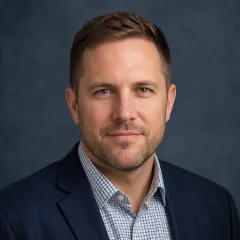
The Hamilton Police Service has appointed Robin Abbott, a 27-year member of the force, as its new deputy chief of police. The appointment, announced by the police services board on Thursday, places a career Hamilton officer into one of the service's most senior roles. Abbott will officially assume the position on Sept. 27.
Experience from patrol to executive ranks
Abbott has spent her entire policing career with Hamilton, joining the service in 1999. She most recently served as superintendent of Division 1 and has held a variety of operational, administrative and executive leadership roles during her tenure. The deputy chief role she will step into is described by the service as responsible for support, including oversight of crisis response, traffic safety, emergency services and facilities.
She succeeds Paul Hamilton, who retired from the deputy chief post in June before taking up the role of chief of the Niagara Parks Police. The transition continues a pattern of local leadership movement in southern Ontario's policing ranks.
Priorities and responsibilities
At a news conference announcing the appointment, Abbott said the role carries significant duties and that she was looking forward to the opportunity.
"It's a lot of responsibility and I'm really excited to have the opportunity to help lead our organization into the future," Abbott told reporters.
As deputy chief responsible for support, Abbott's portfolio will centre on services and units that operate behind front-line patrols but are key to emergency response and public safety. Those areas include:
- Crisis response — units that address mental-health-related calls and other high-risk welfare checks;
- Traffic safety — strategies to reduce collisions and enforce road laws across Hamilton's urban and suburban corridors;
- Emergency services — coordination with fire, paramedic and other agencies during major incidents;
- Facilities — police buildings and infrastructure that support service delivery across the city's diverse neighbourhoods.
Context in local policing and public safety
The promotion comes as Hamilton continues to grapple with how to balance resources between visible street-level patrols and the specialist units that manage complex calls for service. New provincial and federal data referenced by the service indicate Hamilton's overall crime and homicide rates sit below some provincial and national averages — a backdrop that shapes how leaders set priorities and allocate resources between prevention, enforcement and support functions.
Officers with long careers in a single service bring institutional knowledge of neighbourhood patterns, partnerships with municipal and social-service agencies, and an understanding of how policing intersects with urban planning and social supports. That experience is particularly important in a city like Hamilton where contrasts between urban core needs and suburban and rural concerns remain pronounced.
Transition and implications
The appointment of a deputy chief from within the ranks is likely to mean continuity in internal policies and partnerships already in place, while also offering an opportunity to refine how the service responds to evolving community expectations. Abbott's familiarity with Hamilton's geography and community agencies should aid in coordinating cross-sector responses to crises and in setting traffic safety initiatives suited to both the city centre and outer neighbourhoods.
| Item | Detail |
|---|---|
| New deputy chief | Robin Abbott |
| Years with service | 27 |
| Start date as deputy chief | Sept. 27 |
| Portfolio | Crisis response, traffic safety, emergency services, facilities |
The police services board handled the announcement. As the new deputy chief settles into her brief, residents and city councillors will be watching how the service balances preventive programs, traffic enforcement and high-acuity responses — matters that affect daily life from Quiet Street reducing collisions to complex mental-health interventions.
Abbott's appointment is effective later this month, and she will join the senior leadership team charged with directing policing across Hamilton's varied communities and landscapes.