
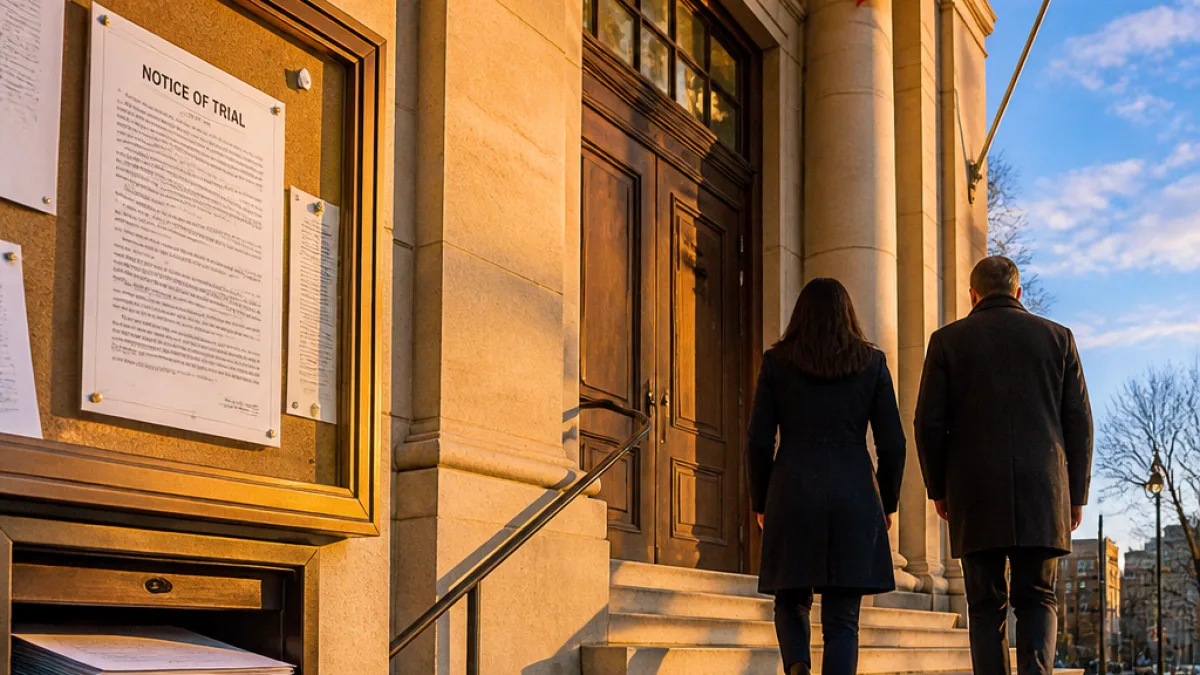
Case moves to court as city residents await details
A former London city councillor has been ordered to stand trial next year on charges of extortion and harassment, marking a rare criminal proceeding connected to municipal politics in the city.
The announcement, issued through local court and news reporting, confirms that trial dates have been set for the matter. Court scheduling now moves the case from the initial charge stage to a full trial where evidence will be heard and contested before a judge or jury.
Local readers will want to know the implications of such a case for public trust in municipal government, for the accused’s future in civic life and for related administrative matters within council. While the identity of the accused and detailed charge descriptions have not been reproduced here, the setting — a former councillor facing criminal allegations — underscores the intersection of civic office and criminal law.
- Charges: extortion and harassment.
- Status: trial dates have been set for next year.
- Jurisdiction: proceedings concern a former member of London city council.
"A former London city councillor is heading to trial next year on extortion and harassment charges."
Legal experts and municipal governance watchers say cases involving public officials often raise additional questions about records, public disclosure and administrative follow-up. The criminal process will determine guilt or innocence on the specific charges; any administrative or political consequences, such as party or council responses, typically follow once court outcomes are clear.
What residents should expect next
Trials in criminal matters can take months to prepare and sometimes longer depending on pre-trial motions, disclosure disputes and scheduling pressures in the courts. Residents should expect:
- Pre-trial procedures in the weeks and months ahead, including disclosure and possible hearings.
- Public court appearances once the trial begins, which are generally open unless a judge orders otherwise.
- Media reporting on proceedings as they unfold; details of evidence and witness testimony will emerge in court rather than prior reporting.
Municipal officials often respond carefully to pending criminal matters involving current or former colleagues, balancing respect for the legal process with the need for transparency. If the accused was serving in an elected or appointed capacity at the time of alleged events, there may be further review by the municipality or calls for administrative action depending on trial outcomes.
Context for London voters and civic institutions
Incidents like this can deepen public scrutiny of local governance and prompt calls for procedural reforms or improved conflict-of-interest safeguards. They also tend to trigger questions about how the city manages allegations involving current or past elected officials, including record-keeping and response protocols.
| Issue | What to watch for |
|---|---|
| Legal timeline | Pre-trial motions, disclosure, start date of trial next year |
| Municipal response | Statements or reviews by council or administrative staff after court outcomes |
| Public impact | Potential calls for policy or ethics changes depending on findings |
For now, the matter will move through Ontario’s court system toward the scheduled trial next year. As proceedings unfold, public filings and court appearances will provide additional detail that residents and reporters can scrutinize. Local institutions — from city hall to community groups — will be watching for both the legal outcome and any resulting implications for governance and public trust.
WE NEWS will continue to follow court filings and municipal reactions and will report further details as they become available from the courthouse and city offices.















