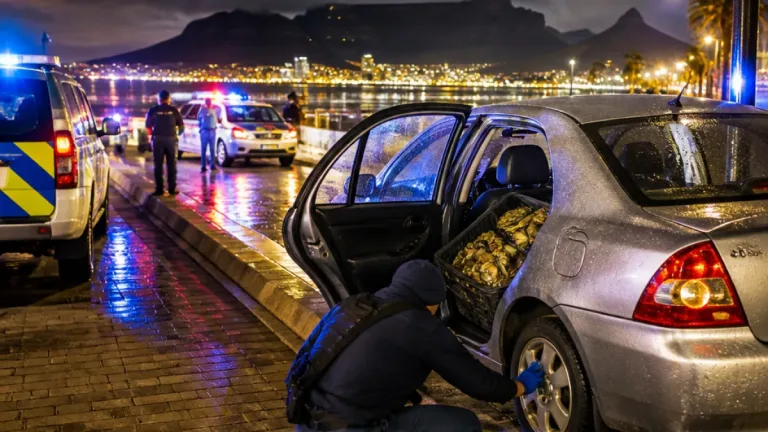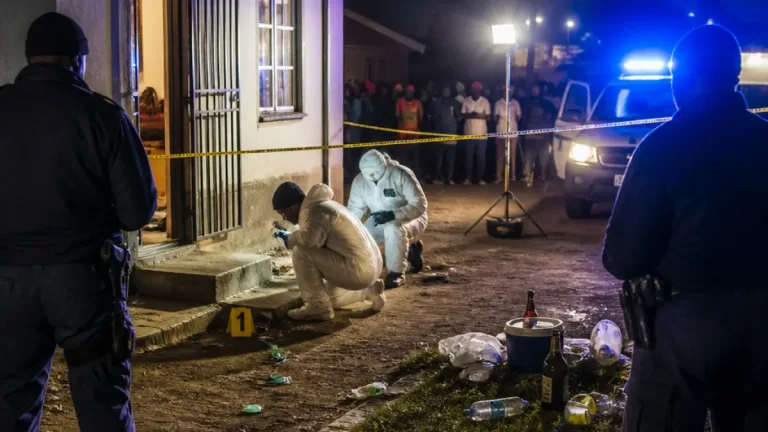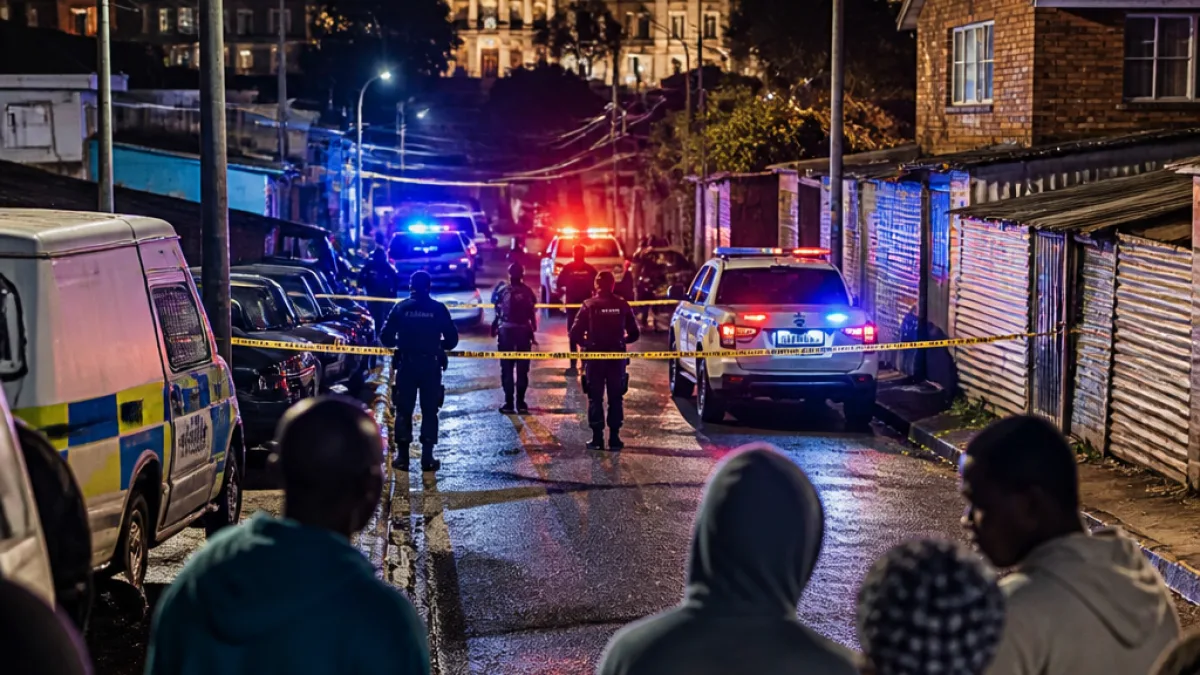
Three mass shootings in Cape Town over the weekend left 11 people dead and two wounded, police confirmed, intensifying public alarm about gang violence and refocusing debate on whether Metro Police officers should be granted expanded powers.
Night of violence across township precincts
The attacks happened in separate locations: Khayelitsha’s TR Section in Lingelethu West, Langa’s Phase 3 and the Barcelona informal settlement in Gugulethu. The incidents unfolded between late Saturday evening and the early hours of Sunday.
| Location | Fatalities | Injuries | Approximate time |
|---|---|---|---|
| Khayelitsha (TR Section, Lingelethu West) | 3 men (aged 25, 31 and 35) | 0 | About 22:50 on Saturday |
| Langa (Phase 3, Winnie Mandela Street) | 4 men and 1 woman | 0 | Around the same time as Khayelitsha |
| Gugulethu (Barcelona informal settlement) | 2 men and 1 woman | 2 wounded | About 04:10 on Sunday |
Police reinforced deployments in the affected communities and detectives from the Provincial Serious Violent Crimes Unit are leading the investigations.
Arrests and court process
Two suspects were arrested and are due to make their first appearance at the Bishop Lavis Magistrate’s Court on 11 August 2026, police said. Authorities have not disclosed the suspects’ identities or whether further arrests are expected.
Policy debate renewed
The killings come as the City of Cape Town presses for greater policing powers for Metro Police officers — a contentious proposal that has already led the City to declare an intergovernmental dispute with Acting Police Minister Firoz Cachalia.
Acting Minister Cachalia has indicated he cannot support the City’s proposal in its current form, citing legal advice that aspects could be inconsistent with Section 205 of the Constitution. The dispute centres on the scope of investigative authority the City seeks for Metro Police.
“The City of Cape Town is correct to be concerned about the unacceptable levels of violent crime, gang activity and mass shootings. Residents understandably want every available resource to be mobilised,”
This was the assessment of former Western Cape police commissioner and advocate Dr Lennit Max, who, while sympathetic to the City’s concerns, warned expanding Metro Police powers should not be presented as a simple fix for entrenched violent crime.
What police are doing now
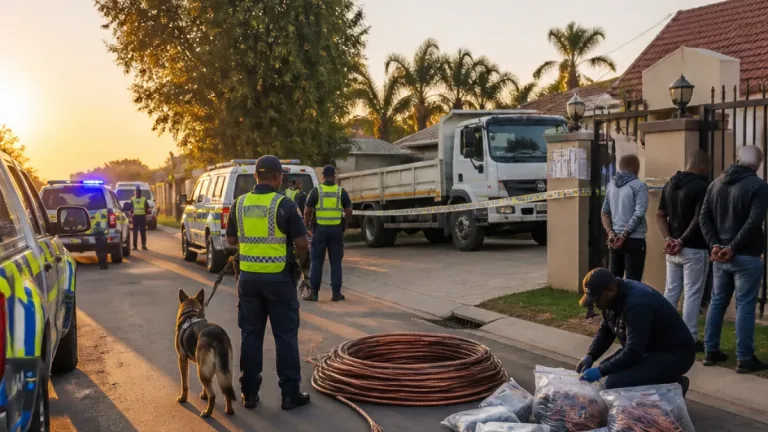
Beyond the arrests, the provincial Serious Violent Crimes Unit will continue scene investigations and follow leads. SAPS confirmed increased visibility in identified hot‑spots following the shootings and said detectives are prioritising the matter.
- Investigations: Provincial Serious Violent Crimes Unit leading probes.
- Deployments: Additional police resources sent to Khayelitsha, Langa and Gugulethu.
- Court process: Two suspects to appear at Bishop Lavis Magistrate’s Court on 11 August 2026.
Local impact and context
The spate of killings shocked residents in the affected communities. Mass shootings and gang-related violence have been persistent problems in parts of Cape Town, placing strain on policing resources and public trust. Calls for new approaches — from enhanced policing powers to community safety interventions — are recurring, but legal and constitutional questions about oversight and jurisdiction complicate the picture.
The City’s push for broader Metro Police authority has been framed by municipal leaders as a necessary step to supplement national police efforts. National authorities and constitutional experts have pushed back, saying any change must respect the constitutional division of policing responsibilities.
What to expect next
Police investigations will determine whether the three events were linked or the work of separate criminal groups. The outcome of the Bishop Lavis court appearances may also indicate whether further charges and arrests follow. Meanwhile, the intergovernmental dispute between the City and the national policing portfolio remains unresolved, and public debate over the appropriate mix of law‑enforcement powers is likely to intensify.
The incidents are a stark reminder of the violence that continues to affect parts of the Cape and the complex legal and operational questions policymakers face when proposing changes to local policing.