
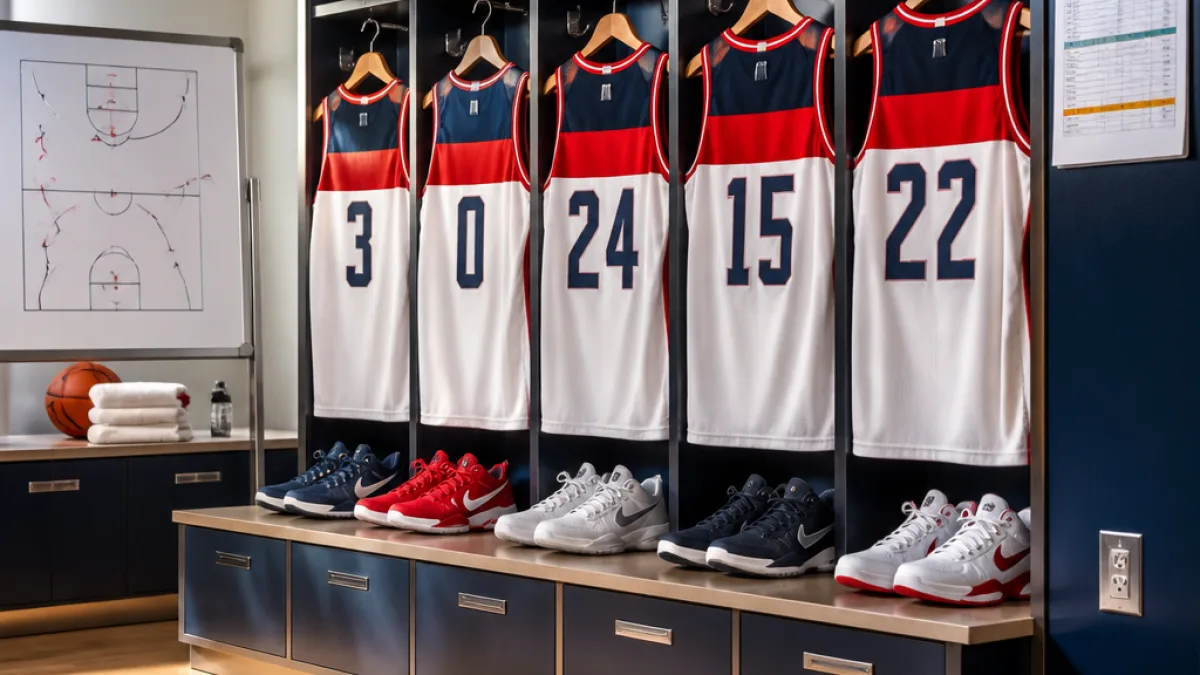
The Washington Wizards head into the 2026-27 season with a roster that, on paper, looks dramatically different from the one that finished 17-65 last year. High-profile additions and a top draft selection have turned a rebuilding franchise into a team with immediate expectations — and a slate of questions about how the parts will fit together.
Veteran cores and headline moves
The Wizards’ most conspicuous offseason changes included retaining Trae Young and integrating two switchy, experienced stars into the rotation. The club kept Young but committed him to a long-term deal that the reporting described as worth "well more than $200 million," a contract that immediately shapes roster construction and payroll flexibility.
Also on the roster are Anthony Davis, who arrived last season but did not play after being acquired from the Dallas Mavericks, and newly added wing AJ Dybansta, the No. 1 overall pick out of BYU. Together with veterans such as Khris Middleton — brought back after a buyout last season — the Wizards now have a starting lineup heavy on proven performers.
How the pieces stack up
Washington’s frontcourt depth was further bolstered by swapping Jaden Hardy for Deandre Ayton, a move noted for its roster flexibility. Ayton gives the Wizards a capable backup center, allowing the team to deploy Davis and young center Alex Sarr on the floor together when matchups permit.
| Category | Notable names |
|---|---|
| Added | Anthony Davis, AJ Dybansta, Deandre Ayton |
| Retained | Trae Young, Khris Middleton |
| Departed | Jaden Hardy |
That combination of star power and youth creates theoretical advantages: spacing from Young, interior presence from Davis and Ayton, and wing scoring and leadership from Middleton. But translating that mix into wins depends on health, role clarity and bench production — areas where the club previously struggled.
Cap implications and long-term questions
Keeping Young under such a large contract immediately impacts the club’s financial flexibility. The four-year commitment reduces the team’s ability to make additional major moves without either shedding salary or clearing cap space through trades and creative roster engineering. The contract, described in reporting as exceeding $200 million, is already being discussed leaguewide as one of the more burdensome deals on a team that is trying to accelerate its rebuild.
Veteran signings can stabilize a locker room and provide a foundation for young players, but they also come with risk. Age, injury history and fit will determine whether the signings push Washington into immediate contention in the Eastern Conference or simply postpone deeper structural moves.
Eastern Conference context
The Eastern Conference projects to be highly competitive this season. The Wizards’ makeover raises legitimate questions about whether the team can leap from the NBA’s basement into a playoff spot, particularly against clubs that retained stable cores and made targeted upgrades.
Washington’s ceiling is high if their stars stay healthy and defensive cohesion develops. Their floor remains a tougher proposition if chemistry struggles or if the rotation lacks reliable bench scoring and defensive consistency.
What to watch this season
- How quickly the starting five develops chemistry, particularly in pick-and-roll actions involving Young and Davis.
- The minutes split and role clarity for Deandre Ayton, Alex Sarr and the frontcourt rotation.
- Whether Khris Middleton’s veteran presence can steady late-game execution and help integrate younger players.
- Bench scoring and defensive metrics — areas that often determine whether good rosters become great.
For Wizards fans, the offseason has delivered a much different script than a year ago. The next task is for coaches and players to turn the page from roster construction to on-court performance. With significant financial commitments and a No. 1 overall pick now part of the equation, expectations in Washington are elevated; how the team responds to those expectations will shape not only this season but the franchise’s near-term future.
Coverage of the Wizards will continue as training camp opens and preseason games begin, with attention on health updates, rotations and how the franchise balances immediate competitiveness against long-term flexibility.
















