WARWICK — A 62-year-old woman faces a first-degree murder charge after her adult daughter, who required constant supervision because of autism, was discovered dead in the family apartment, authorities said Tuesday.
Prosecutors allege that Anna Maria Angelosanto canceled scheduled caregiver visits and turned relatives away in the days before the discovery, and that the young woman’s body showed signs suggesting she had been deceased for several days by the time police entered the home, a prosecutor told the court.
"Anna Maria Angelosanto whimpered in a courtroom Tuesday as a state prosecutor described the reasons she was being charged with first-degree murder of her daughter."
Allegations and timeline
State prosecutors presented a sequence of events during a hearing Tuesday in Rhode Island District Court. According to an affidavit filed in support of a search warrant and statements summarized by the prosecutor:
- On July 24, Angelosanto reportedly canceled caregiver appointments that had been set for the following Monday.
- Over the weekend after those cancellations, relatives who attempted to check on the daughter were told she was sleeping.
- On the morning of July 27, the building landlord contacted police about a water-related emergency at the apartment.
- When officers arrived, a neighbor who was distraught led them into the residence. The neighbor directed police to the scene, according to the affidavit.
Inside the apartment, the prosecutor said Angelosanto was found in her bedroom unresponsive and bleeding. Her daughter, Alexandra "Aly" Straccia, 21, was located in her own bedroom and appeared to have been dead for several days. The court also heard that Straccia, who could not self-administer medication, appeared to have regurgitated substances.
Care needs and family context
Prosecutors described Straccia as autistic and in need of around-the-clock care. Her mother had been her primary caregiver throughout her life, advocating publicly for better school supports and assistance for her daughter. Social media posts attributed to Angelosanto showed her portraying a deep commitment to securing appropriate services and support networks for Straccia, according to reporting in court.
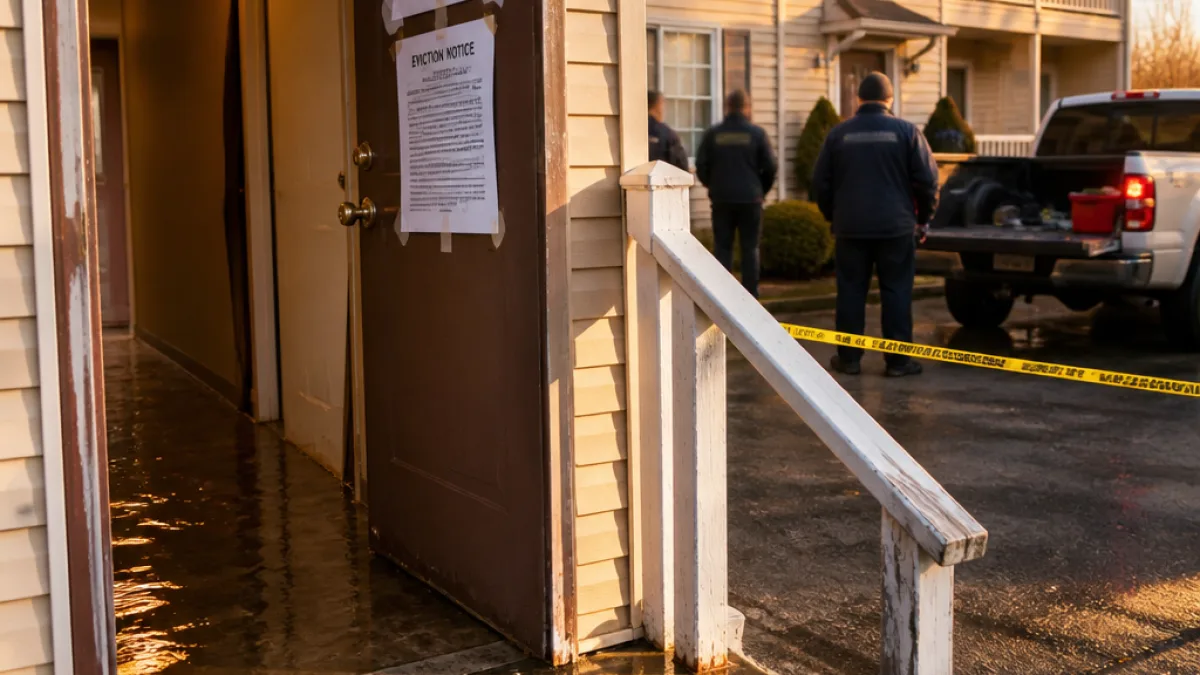
Court records presented this week also indicated that Angelosanto had been struggling financially in recent years and was facing eviction from the Cranston apartment she shared with her daughter.
What prosecutors told the court
Special Assistant Attorney General Alison Bittl outlined the allegations before Rhode Island District Court Magistrate Joseph Ippolito, saying that last-minute cancellations and efforts to bar visitors contributed to delays in discovering Straccia’s death. The prosecutor’s narrative forms the basis of the first-degree murder charge Angelosanto now faces.
| Fact | Detail |
|---|---|
| Defendant | Anna Maria Angelosanto, 62 |
| Victim | Alexandra "Aly" Straccia, 21 (diagnosed with autism) |
| Key dates | July 24 (caregiver cancellations); July 27 (discovery) |
Next steps and community questions
At Tuesday’s proceeding Angelosanto appeared in court as prosecutors detailed their case. The hearing set those allegations before a magistrate but did not resolve the criminal charges. Court documents and filings will determine how the case moves forward, including potential further hearings, discovery and any pretrial motions.
The case raises questions about protections for adults with disabilities, the role of social supports and how welfare concerns are detected when caregivers are under financial or emotional strain. Advocacy groups and disability-service providers often stress the importance of multiple formal and informal supports for people with intensive care needs, but the public record in this matter currently consists of prosecutor statements and the affidavit supporting a search warrant.
Authorities have not publicly released additional forensic details about cause or manner of death beyond what was summarized in court filings and the affidavit. As investigators and prosecutors proceed, neighbors, relatives and disability advocates are likely to seek clarity about what happened and how similar tragedies might be prevented.
WE NEWS will continue to monitor court filings and statements from law enforcement, and will report further developments as they become available.
Priya Nair is the state correspondent for WE NEWS.