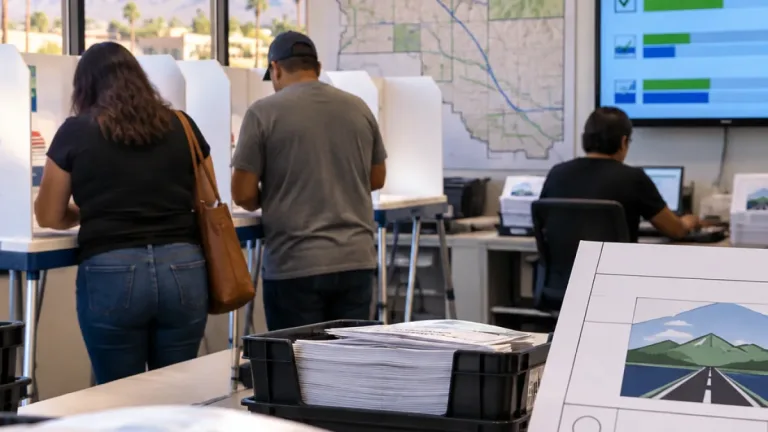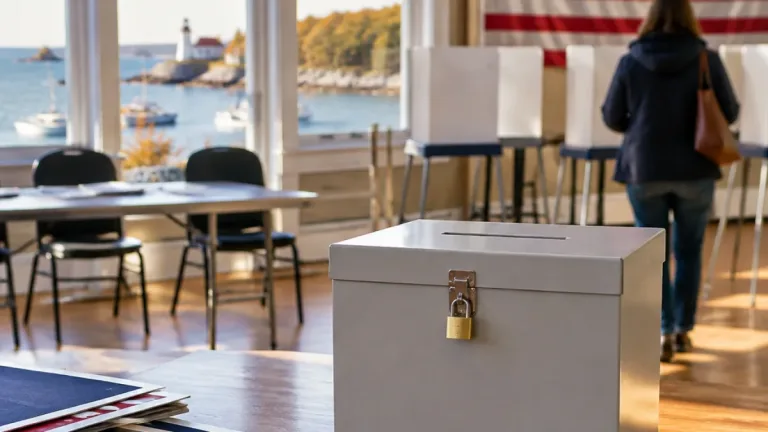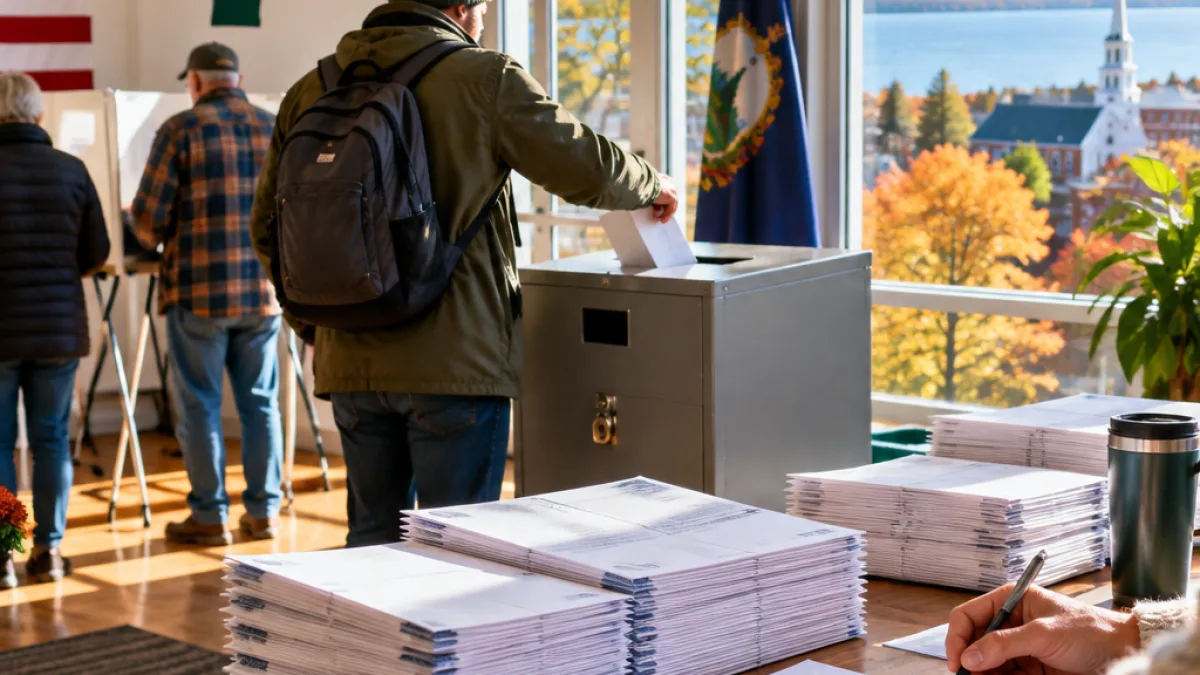
Vermont voters went to the polls Tuesday after more than 131,000 early ballots had been received by the Secretary of State's Office, putting the state on track for roughly 180,000 early votes in the 2026 general election.
The ballots counted through Oct. 28 represented more than 26% of all registered voters in Vermont, according to state election officials. The figure was below the level seen in some previous election cycles, but it showed that a substantial share of Vermonters had already made their choices before Election Day.
A closely watched governor's contest
The most prominent race on the ballot is the contest between Republican Gov. Phil Scott and Democratic challenger Amanda Janoo. Scott, who has been governor since January 2017, is seeking a sixth term. Janoo, a Burlington economist with experience in government, community service and international development, is campaigning with support from Vermont Democrats and Progressives.
The race has drawn attention inside and outside Vermont, with the candidates offering different priorities for the state. Scott's stated agenda includes economic growth, affordability and assistance for vulnerable residents. Janoo has highlighted local businesses, housing intended for Vermont residents rather than investors, community schools and a proposed prohibition on artificial-intelligence data centers.
With polls closing at 7 p.m. Eastern time, the early-voting total offered an important snapshot of participation but did not determine the outcome of the governor's race or the other state, local and federal contests on the ballot.
Early voting varied across the state
State data showed particularly strong early-voting activity in St. Albans, Middlebury and Williston, identified as the three major communities with the highest turnout as of Oct. 28. The figures reflect ballots received by the state office at that point and were not a final accounting of participation before Election Day.
Lauren Hibbert, the deputy secretary of state, said Vermont appeared to be headed toward about 180,000 early votes. She also pointed to the heightened attention surrounding the election and the importance of individual participation.
“People are starting to realize that their vote really matters.”
The early-voting information also included an unusual demographic detail: Among names tracked by election officials, Arlene had the highest share of early voters, with 42% of Vermonters bearing that name having voted by Oct. 28. Louise and Herbert ranked behind Arlene in the state's tally.
What voters needed to know Tuesday
Vermonters who had not yet voted were advised to deliver completed mail ballots to their local town clerk rather than rely on the postal system as Election Day approached. The Secretary of State's Office maintains online information about polling places and ballot drop boxes, giving voters a way to confirm where ballots could be returned.
| Election detail | Information available |
|---|---|
| Early ballots received by Oct. 28 | 131,000 |
| Share of registered voters | More than 26% |
| Projected early votes | 180,000 |
| Polls close | 7 p.m. Eastern |
Voters who received ballots by mail were allowed to bring those ballots to polling places. The state also permits eligible residents to register on Election Day. That eligibility applies to U.S. citizens who live in Vermont, are at least 18 years old and have taken the Voter's Oath.
Participation remains the central measure
The early-ballot numbers provided a measure of how many Vermonters had completed the voting process before Tuesday, while the final participation total will also depend on ballots cast in person and other ballots properly returned by the deadline. The Secretary of State's Office was continuing to monitor voting activity as towns opened their polling places.
For voters still seeking election information, local clerks remained the key source for polling locations and ballot-return procedures. The statewide contest for governor, along with the many local and federal races, was set to move from campaigning to counting once polls closed. Results were not available in the information provided for this report.