Plant could reshape Rochester’s industrial profile
Rochester officials and industry leaders are watching a major private investment that would add significant industrial capacity to the city’s Eastman Business Park. On Oct. 21, Phoenix Tailings announced plans to build a $375 million rare earth processing plant in Rochester that would occupy about 500,000 square feet and ultimately process 18,000 tons of rare earth feedstock a year.
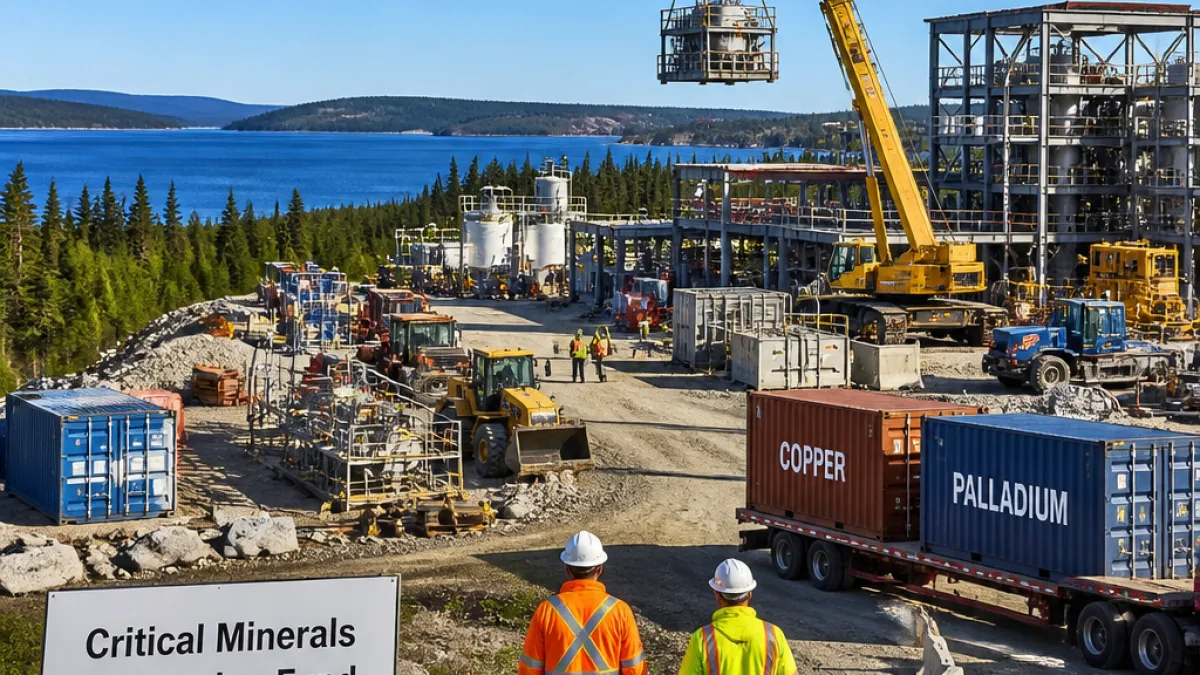
The project positions Rochester as a node in a national effort to reduce reliance on foreign suppliers for critical minerals used across advanced manufacturing, defense and clean-energy technologies. Company materials describe the plant as able to separate more than 4,400 tons of rare-earth oxides per year at full capacity, and indicate coordination with New York State officials for permitting and execution.
Site advantages and timeline
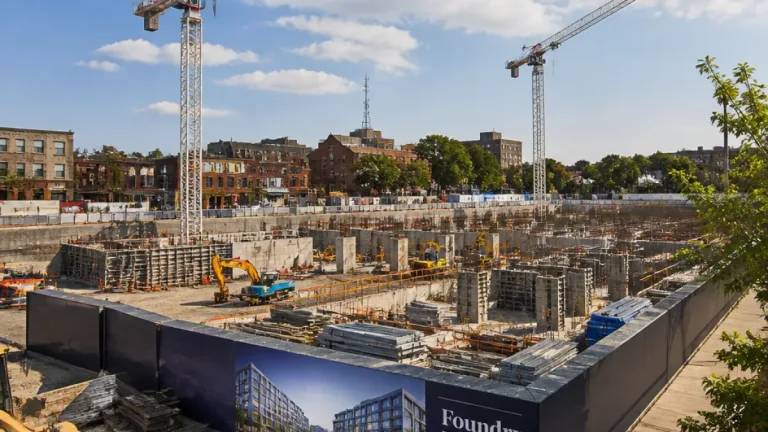
Eastman Business Park, a long-standing industrial campus in Rochester, is cited by Phoenix Tailings as already having much of the infrastructure needed to host large-scale chemical-processing operations. The company said crews will begin targeted site preparation immediately and
"start detailed site preparation work right away, with the aim of starting physical production ramp-ups in 2027."
That timeline would mean construction and early operational activities taking place over the next year, subject to state and local approvals, financing details and any required environmental reviews.
Local implications: jobs, supply chain and safety considerations
Developers of commercial rare earth plants typically require specialized, highly trained workforces and substantial chemical engineering capabilities. Phoenix Tailings’ statement on the project highlighted those workforce needs and suggested the company expects to recruit and train regional labor to operate the facility.
- Employment: The plant will likely create a range of skilled industrial and technical jobs, though the company has not released exact hiring targets.
- Economic footprint: A $375 million capital investment would be among the larger recent private investments in Rochester’s manufacturing sector.
- Environmental and regulatory oversight: Chemical separation of rare earths involves complex processes that will trigger state environmental reviews and permitting.
City and state officials have prioritized efforts to expand domestic critical-minerals processing as part of federal and state strategies to strengthen supply chains for emerging technologies. Phoenix Tailings’ announcement aligns with other recent investments nationwide in rare-earth and critical-mineral processing.
How the plant fits broader trends
Nationally, the move to add rare-earth processing capacity responds to long-standing concerns about concentration of refining capabilities overseas. In company materials, Phoenix Tailings framed the Rochester project as helping reduce dependence on foreign suppliers and strengthening U.S. manufacturing resilience.
In New York, the project joins a wave of infrastructure and industrial proposals aimed at leveraging existing sites such as Eastman Business Park to attract large-scale manufacturing projects. Local economic-development officials have in recent years emphasized reusing brownfield and industrial properties to bring jobs and investment to the city.
| Figure | Value |
|---|---|
| Planned investment | $375 million |
| Facility size | 500,000 sq ft |
| Feedstock processed | 18,000 tons/year |
| Oxide separation capacity | 4,400 tons/year |
| Initial production ramp target | 2027 |
Residents and local stakeholders will be watching how the project advances through permitting and hiring phases, and how it affects traffic, utilities and environmental management in the area. As plans proceed, city officials and community groups typically demand transparency on safety measures, emissions controls and workforce development commitments tied to projects of this size.
For Rochester, the Phoenix Tailings announcement is potentially a major step in reshaping the local industrial landscape and linking the city to national efforts to secure critical-mineral supply chains.