Anya Lacey, a content creator who ranks among the top 0.01% of earners on OnlyFans, is confronting public pushback after promoting conservative and "tradwife" ideals while continuing to publish explicit photos and videos of herself.
Persona and pushback
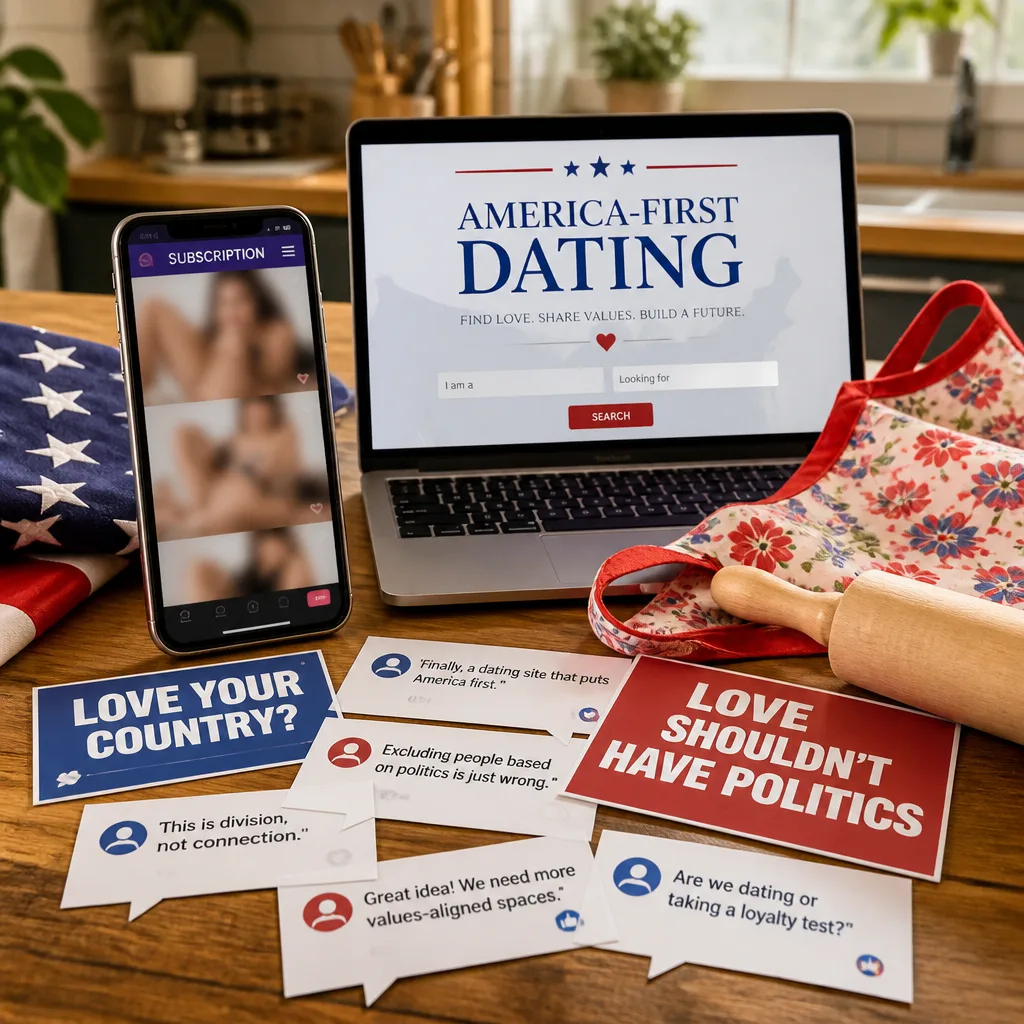
Lacey, who has built a large audience on social platforms including more than 1 million TikTok followers, launched an "America-First Dating" site centered on her vision of traditional marriage and conservative cultural values. Her embrace of those positions has prompted criticism from some observers who argue that selling sexual content and advocating for traditional, religious or conservative marriage values are incompatible.
"I had so many people saying … 'Why are you pretending to cater to conservative men?' I am not pretending," Lacey told The Post.
Critics have accused her message of being a marketing strategy designed to attract attention and revenue. Social-media commenters cited by the publication argued the combination of a religious or submissive persona and paid sexualized images creates a mixed message and risks promoting temptation to followers.
Her defense and stated convictions
Lacey has pushed back against those critiques, saying she sincerely holds the beliefs she expresses and that her work and her opinions are not mutually exclusive. She told the outlet she identifies as a "God-fearing traditionalist" and said her political views align with conservative causes, adding that she “100% backs Trump.”
Among her defenses, Lacey said she has experienced account removals and fallout in personal relationships and collaborations because of her political views and public positioning. She attributed some of the controversy to perceived ideological tensions within the creator economy and broader social-media environment.
What observers are saying
Voices cited in the profile framed her actions as confusing or contradictory. One critic wrote on Instagram that "selling sex and 'traditional' shouldn't be in the same sentence when it comes to marriage," while another commenter questioned whether Christian teachings counseled conduct that might cause others to stumble. Several commenters suggested Lacey's approach commodifies a submissive religious persona.
- Business reach: Top 0.01% of OnlyFans earners.
- Social following: More than 1,000,000 TikTok followers.
- New projects: Launched an "America-First Dating" website tied to her tradwife messaging.
Context and implications
Lacey's case touches on several broader trends reshaping the national conversation about media, gender and politics:
- The rise of creator-led monetization models that allow individuals to monetize intimate or sexual content directly with audiences.
- The growing practice of creators marrying personal politics with brand-building strategies, which can attract both supporters and detractors.
- The ongoing debate within conservative and religious communities about acceptable public conduct, particularly when private commerce involves explicit material.
Her story highlights the tension between personal belief systems and marketplace incentives in the digital age. For some, the overlap of traditionalist rhetoric and adult content is seen as an incoherent or exploitative blend. For others, it represents a creator asserting multifaceted identities and economic agency.
Facts at a glance
| Item | Detail |
|---|---|
| OnlyFans standing | Top 0.01% of earners |
| TikTok following | More than 1,000,000 followers |
| New venture | "America-First Dating" website |
Lacey's remarks to the outlet underscore a broader point she made about personal judgment and public scrutiny: she said ultimate judgment belongs to religious authority rather than to critics on social platforms. That assertion has done little to slow the debate surrounding the relationship between online labor, personal belief and public perception.