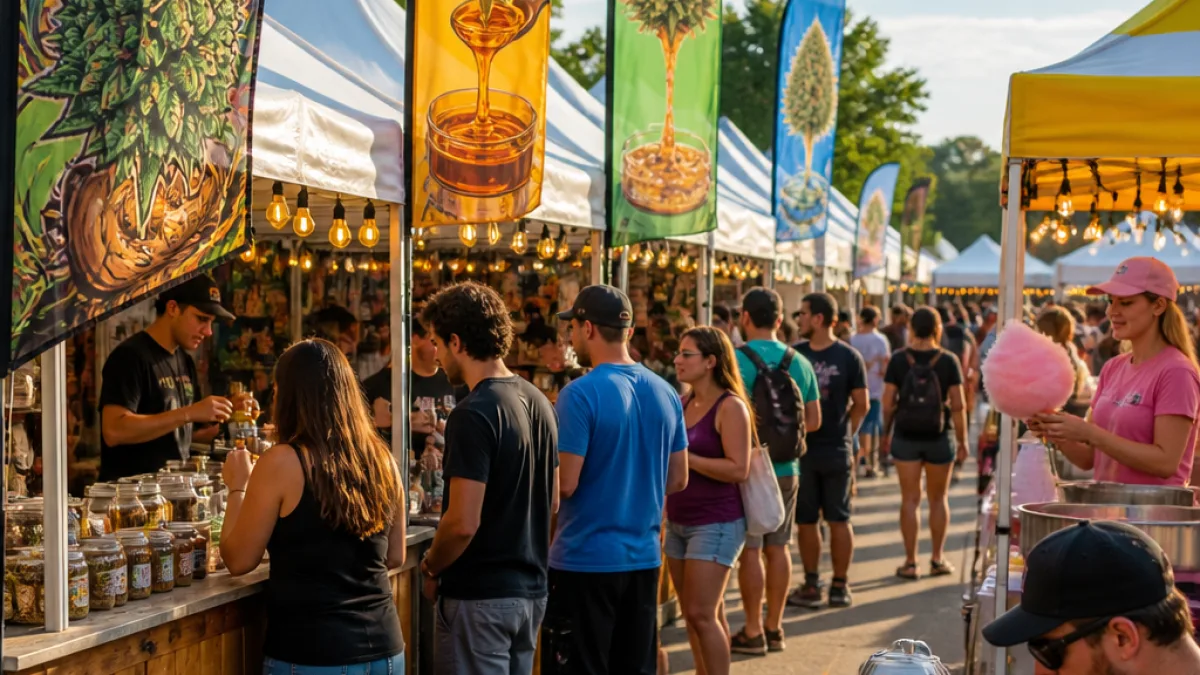
Hundreds of people gathered at the Washington County fairgrounds in West Bend on Aug. 29 for the first-ever Rooted in Wisconsin Cannabis Festival, an event that highlighted the state’s low-THC hemp market even as the industry faces an uncertain future under federal law.
Festival offered rare public space for hemp use
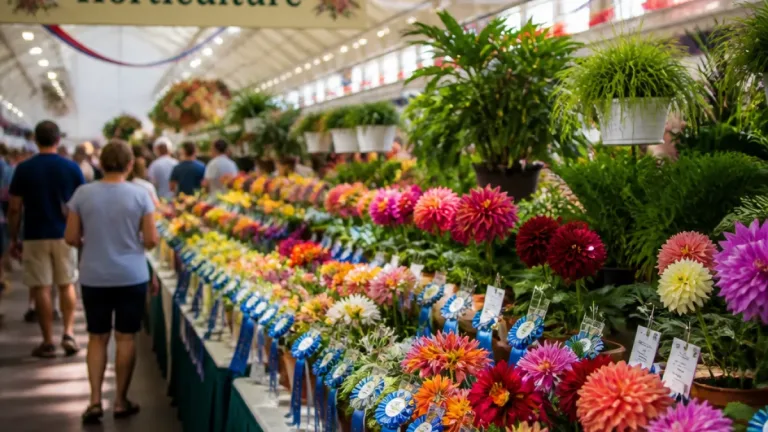
The all-ages-21-and-older event allowed attendees to sample and consume products derived from hemp in public — an uncommon sight in Wisconsin, where marijuana remains illegal but low-THC hemp has been legal since 2018. Vendors sold items ranging from packaged hemp flower and rosin to novelty treats such as THC-infused pink cotton candy, while artisans demonstrated their craft, including live glassblowing near a busy dab bar.
For many attendees, the gathering felt like a relief from the confusion and caution that has surrounded hemp consumption in recent years. "That's farm to table," said Brett Huber as he heated a dab of Milwaukee-grown hemp rosin and inhaled.
"That's farm to table," Huber said.
Industry faces federal deadline this fall
The festival came amid a looming federal policy change. Congress voted last year to make most hemp products illegal, and that ban is scheduled to take effect in November. Organizers, vendors and patrons expressed hope that state lawmakers could act in the remaining months to preserve the market in Wisconsin, but the path forward remained uncertain at the festival.
Proponents of the industry used the event to demonstrate their innovations and the range of products now produced by Wisconsin farmers and small businesses. A mix of entrepreneurs aimed to show regulators and the public that hemp products can be produced responsibly and sold safely.
- Date of festival: Aug. 29, 2026
- Location: Washington County fairgrounds, West Bend
- State hemp status: Hemp legal since 2018
- Federal action: Congressional ban to take effect in November 2026
Vendors highlight variety and craftsmanship
At stalls sheltered from the rain, farmers sold packaged eighths of hemp flower and companies offered solventless rosin and other concentrates. A glassblower torched and shaped custom pipes in real time, while a row of tables at the dab bar showcased portable vaporizers and dab rigs.
Many exhibitors framed their products as agricultural goods or artisanal creations, a pitch intended to broaden public support and influence policymakers who will decide whether the state should enact protections or substitute regulations before the federal ban takes effect.
Local reaction: celebration tempered by anxiety
Festival-goers described the atmosphere as relaxed and orderly. Huber, who said he typically consumed hemp at home to avoid legal gray areas, called the experience "surreal" and noted that public consumption at the event felt safe and controlled.
At the same time, an undercurrent of anxiety ran through vendor conversations. Small-business owners and farmers acknowledged that a federal prohibition could wipe out markets they have spent years building under state law. Several told attendees they were hoping state lawmakers would act quickly to preserve at least some legal pathway for sales and cultivation.
What comes next
Organizers said they hope the Rooted in Wisconsin festival can return next year as a larger gathering and a way for the local industry to tell its story to a broader audience. Whether that is possible likely depends on action in Madison and developments in Washington.
| Topic | Relevant detail |
|---|---|
| State law | Low-THC hemp legal since 2018 |
| Federal action | Congress voted last year to ban most hemp products; ban effective November 2026 |
| Event | Rooted in Wisconsin Cannabis Festival, Aug. 29, 2026, West Bend |
As Wisconsin stakeholders weigh regulatory options, the festival provided a snapshot of an industry mobilizing to preserve its businesses and its public presence. Festival organizers and participants said they hoped the gathering would leave an impression on elected officials, showing that hemp's producers and consumers are community members with a stake in the state’s agricultural and small-business economies.
Whether that impression translates into policy remains to be seen. In the meantime, the Rooted in Wisconsin event served as a last-summer showcase for an industry confronting a fast-approaching federal deadline.