Vermont voters delivered decisive primary results Tuesday that set the stage for several consequential November contests. Across the state, Democrats and Republicans nominated candidates for lieutenant governor, U.S. representative and state auditor, with a number of local legislative contests also on ballots.
Major statewide and federal nominees
On the Democratic side, former U.S. House staffer and statewide candidate Molly Gray clinched the party’s nomination for lieutenant governor. With returns reported at 8:44 p.m., Gray held roughly 59% of the vote in that contest.
Republicans nominated Gerald Malloy to challenge incumbent U.S. Rep. Becca Balint in November. Malloy emerged as the party’s pick in the only federal contest on Vermont’s 2026 ballot, setting up a fall campaign for the state’s single seat in the U.S. House.
In another statewide contest, Democratic voters selected Tim Ashe as their nominee for state auditor. As of 9:55 p.m., Ashe had about 58% of the vote and will face Republican H. Brooke Paige in the general election.
Local races and turnout
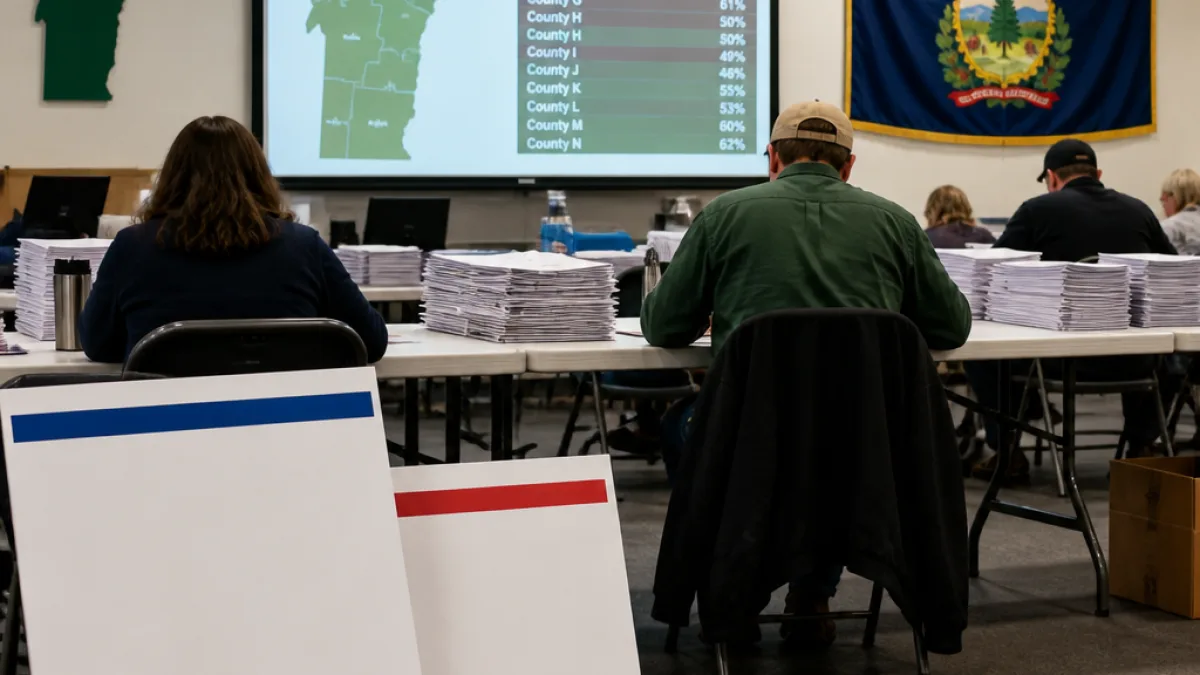
Voters also cast ballots in numerous Vermont House and Senate contests. Many of those races remained too close to call in the hours after polls closed, and local results varied by district. Officials said turnout was steady across much of the state, though final participation figures had not been posted Tuesday night.
The outcomes in both statewide and legislative primaries narrow the field of contenders and will concentrate party resources ahead of November. Primary nights like this one provide early signals about where campaigns may invest time and money in the months before the general election.
What to watch next
- November matchup between Molly Gray (D) and incumbent Lt. Gov. John Rodgers (R).
- General election contest for the U.S. House seat: Becca Balint (D, incumbent) versus Gerald Malloy (R).
- State auditor race: Tim Ashe (D) against H. Brooke Paige (R).
These contests will draw attention from both parties; lieutenant governor and the lone U.S. House seat have been focal points for statewide political strategy. The state auditor office will be watched for oversight and fiscal policy debates during the next term.
| Office | Nominee (party) | Reported figure |
|---|---|---|
| Lieutenant Governor | Molly Gray (D) | ~59% (as of 8:44 p.m.) |
| U.S. Representative | Gerald Malloy (R) | Party nominee (no percentage reported) |
| State Auditor | Tim Ashe (D) | ~58% (as of 9:55 p.m.) |
Campaigns now shift into general election mode. Gray will challenge incumbent Lt. Gov. John Rodgers, a Republican; Balint will defend her seat against Malloy in the federal race; and Ashe will take on H. Brooke Paige for the auditor’s office.
Local party organizations and candidates will use the remaining weeks to organize fundraising, messaging and voter outreach. With statewide matchups set, attention will turn to debates, policy contrasts and get-out-the-vote operations ahead of November’s ballot.
The Sun and other local outlets will continue to compile and update detailed district-level returns as more precincts report. Voters interested in exact, final totals and turnout numbers should consult the Vermont Secretary of State’s office and their county clerk for certified results.
As these campaigns evolve, key questions for Vermont voters include how candidates will address cost-of-living pressures, health care access, housing affordability and fiscal oversight — issues that dominated campaign season conversations and are likely to shape the fall contests.
Election officials cautioned that the early-night percentages reflect returns available at the time and may change as remaining precincts submit results and absentee ballots are processed. Finalized, certified results will be posted by the state once all canvassing is complete.