
Georgia homeowners are beginning to see the financial effect of a statewide property tax relief program as the Department of Revenue starts sending funds to local governments this week, Gov. Brian Kemp announced Monday.
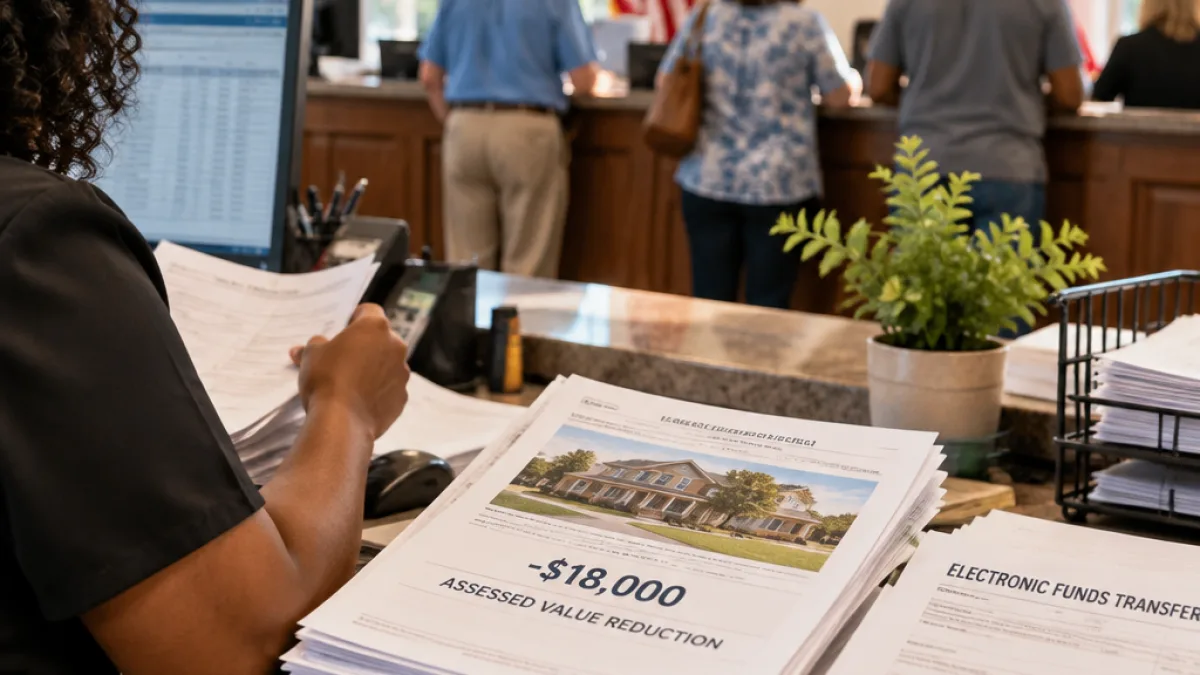
The 2026 Homeowner Tax Relief Program was included in the amended fiscal year 2026 budget approved by Kemp and the Georgia General Assembly. For homeowners who qualify for a homestead exemption, the program provides an $18,000 reduction in the assessed value of a primary residence for the 2026 tax year.
That reduction is intended to lower the amount eligible homeowners owe in property taxes. The benefit is not distributed as a separate payment. Instead, it is applied through the property tax billing process, meaning the savings should appear directly on the bill issued by the relevant local government.
How the benefit reaches homeowners
The state Department of Revenue is responsible for reviewing the required information and sending funds to local governments after the necessary documents have been received and verified. Local governments then incorporate the relief into the property tax bills of homeowners who qualify.
Homeowners who already qualify for a homestead exemption do not need to submit another application to receive the program’s benefit, according to the governor’s office. The state said residents will not receive a check or direct deposit because the assistance is delivered as an adjustment to the property tax bill.
- Benefit: An $18,000 decrease in the assessed value of an eligible primary residence.
- Tax year: 2026.
- Additional application: Not required for homeowners who qualify for a homestead exemption.
- Delivery method: The savings appear as a reduction on the property tax bill, rather than as a direct payment.
What homeowners should look for
Some Georgia residents may already have noticed the reduction on their tax bills, while others will see it as local governments continue sending bills, the governor’s office said. The timing may therefore differ from one locality to another as the state completes its review process and transfers funds.
The program’s structure places local tax offices at the center of the final billing process. Although the relief is established at the state level, the amount owed by an individual homeowner is reflected on the local property tax bill. Residents who have questions about whether they qualify or how the adjustment was applied should contact their local tax commissioner’s office.
| Program detail | What the state announced |
|---|---|
| Program | 2026 Homeowner Tax Relief Program |
| Assessed-value reduction | $18,000 |
| Eligible property | Primary residence of a qualifying homeowner |
| Requirement identified by the state | Qualification for a homestead exemption |
| How relief is received | Automatic reduction on the property tax bill |
State officials describe affordability effort
Kemp said the measure fulfills a commitment to make housing costs more manageable for Georgia residents. He credited the General Assembly and said the state’s financial position allowed officials to provide relief while maintaining conservative budgeting practices.
“Along with our partners in the General Assembly, we are delivering on our promise to make life more affordable for hardworking Georgians by providing needed relief for homeowners from property taxes.”
The governor also said that residents will keep more money in their pockets as the program takes effect. His office did not provide a single statewide dollar figure for the amount each homeowner will save, because the program reduces assessed value rather than providing the same direct payment to every household.
Georgia Department of Revenue Commissioner David Burge said the agency has been coordinating with local governments to administer the program. The department’s role includes reviewing the required materials and distributing funds once those materials have been verified.
“Governor Kemp and the General Assembly have made property tax relief a priority, and we're pleased to begin delivering that relief to Georgia homeowners.”
Burge said the work with local governments is now translating into savings for Georgia families. The department’s announcement means the next step for homeowners is generally to review their property tax bill rather than seek a separate state payment.
Questions should go to local tax offices
Homeowners who do not see the expected adjustment, or who are uncertain whether their property qualifies, should direct questions to their local tax commissioner’s office. That office can address how the relief is shown on a specific bill and whether the homeowner’s homestead exemption status is reflected in local records.
The state’s announcement comes as local governments begin receiving the funds associated with the 2026 program. For eligible homeowners, the key change is the automatic reduction in the assessed value of a primary residence, with the resulting relief appearing through the normal property tax billing process.