
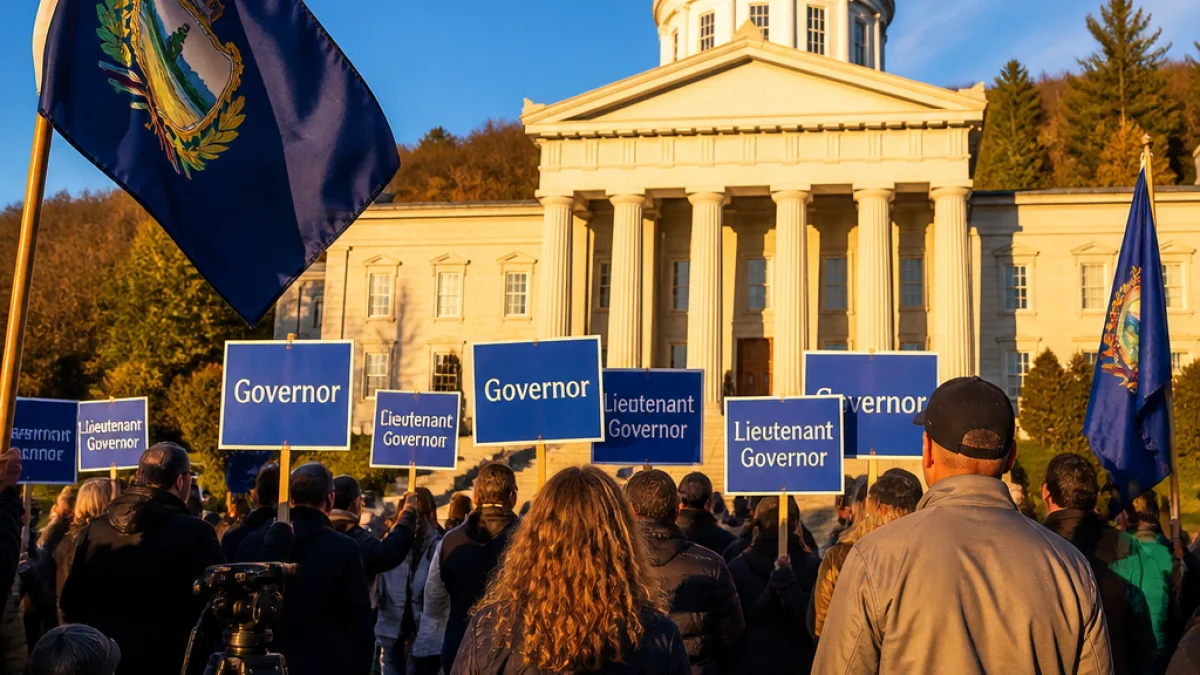
Vermont voters delivered decisive outcomes in Tuesday’s primary that will shape the fall ballot across the state. In a tightly contested Democratic gubernatorial race, Amanda Janoo emerged as the party’s choice and will face incumbent Republican Gov. Phil Scott in November. On the ticket’s second rung, former lieutenant governor Molly Gray won the Democratic nod for lieutenant governor and is poised for a rematch against the GOP officeholder.
Vote totals and what they mean
Unofficial returns show a close race for the Democratic gubernatorial nomination. Janoo captured 39,166 votes to her chief opponent’s 37,100, a margin that gives her the nomination but denotes a competitive primary electorate. For state auditor, Democrat Tim Ashe won his party’s nomination with 52,522 votes versus 8,794 for Nicholas Graeter.
| Office | Democratic nominee | Votes (unofficial) |
|---|---|---|
| Governor | Amanda Janoo | 39,166 |
| Governor (runner-up) | Aly Richards | 37,100 |
| Lieutenant Governor | Molly Gray | 50,286 |
| Lieutenant Governor (runner-up) | Ryan McLaren | 22,868 |
| State Auditor | Tim Ashe | 52,522 |
Lieutenant governor rematch shapes up
Gray’s victory sets up a November clash with incumbent Republican Lt. Gov. John Rodgers. Official certification of primary results remains pending, but campaign teams are already positioning for the general election. Gray previously held the lieutenant governor’s office from 2021 to 2023 and emphasized issues such as the cost of living and protections for fundamental rights during her primary campaign.
"I'm feeling so happy but honestly extreme gratitude," said Gray, adding she would "continue the work because Vermonters deserve a lieutenant governor who's gonna fight for them, protect fundamental rights, fight for working families, fight to lower costs."
Rodgers issued a statement after the primary emphasizing a pragmatic approach to governance: he said he believes in putting people before politics and pledged to collaborate across party lines where it benefits Vermonters.
Federal and down-ballot results
The GOP selected Gerald Malloy as its nominee to challenge Democratic U.S. Rep. Becca Balint for Vermont’s lone House seat. The auditor’s contest will pit Tim Ashe for the Democrats against Republican H. Brooke Paige in November.
- Amanda Janoo will be the Democratic nominee for governor and face Republican Gov. Phil Scott.
- Molly Gray captured the Democratic nod for lieutenant governor and will face John Rodgers in the general election.
- Tim Ashe won the Democratic primary for state auditor and will challenge a Republican opponent this fall.
What comes next
With nominees set, campaigns will shift into general-election mode. Nominees will begin statewide outreach, fundraising and debate preparations ahead of the November ballot. Both parties will also turn attention to turnout strategies; Vermont’s smaller electorate means mobilization efforts and local organizing can be decisive.
Vermont Secretary of State’s office must certify the primary tallies before they become official, a procedural step that typically follows county canvassing and final tabulation. Until certification, campaigns sometimes reserve comment on narrow margins and potential recount scenarios.
For voters, the primary concluded a season of intraparty contests and produced the pairings that will dominate Vermont’s fall politics: a Democratic ticket led by Janoo confronting a Republican administration seeking re-election, and a lieutenant governor’s race that will likely highlight familiar policy debates about economic pressure on families, health care access and civil rights protections.
WE NEWS will follow the transition from primary to general-election campaigning and report further developments as results are certified and nominees begin their fall strategies.

















