Judge clears path for inspector general’s lawsuit over access to Side‑Step records
Baltimore — A Baltimore City senior judge has allowed the inspector general’s lawsuit against the city to move forward, rejecting a bid by Mayor Brandon Scott’s administration to dismiss the case and setting the stage for further legal review of how the city handles access to internal records.
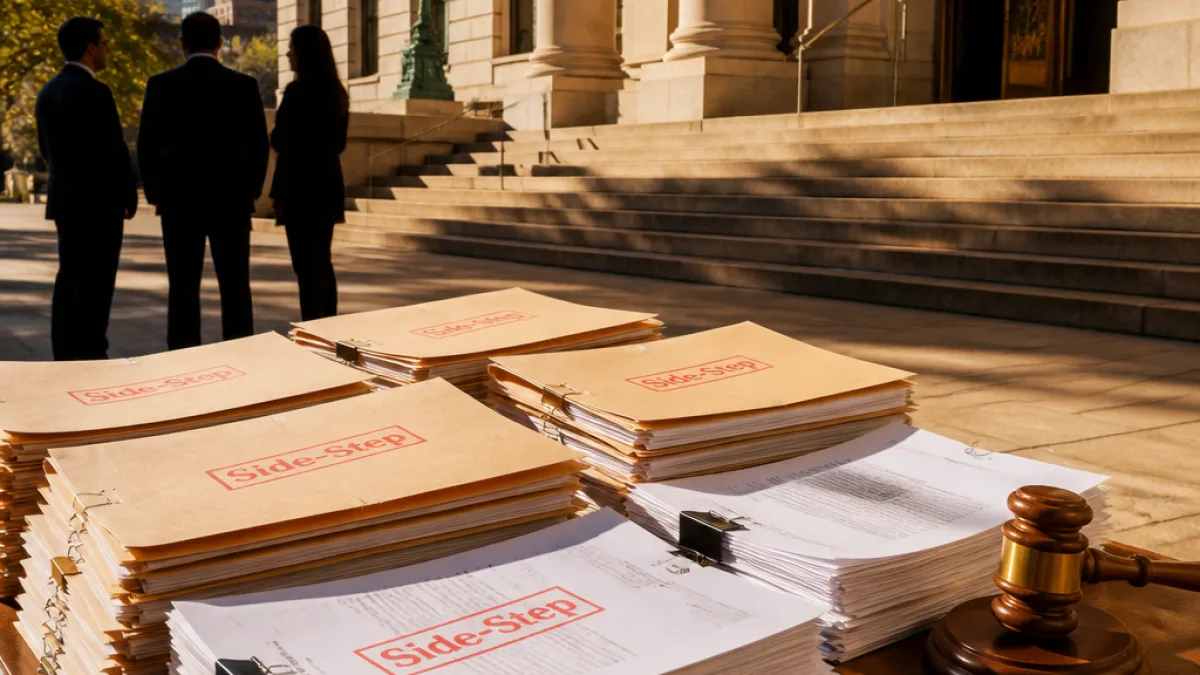
The suit was filed by Inspector General Isabel Cumming, who sought records related to Side‑Step, a now‑defunct youth crime prevention program run by the Mayor’s Office of Neighborhood Safety and Engagement. Baltimore City Senior Judge Pamela White ruled Friday that Cumming’s case can proceed.
The city had argued that the state Public Information Act prevents disclosure of the information to the inspector general. White, however, determined the case should not be dismissed at this stage, finding that the city’s position suggested a misunderstanding about the inspector general’s independence from the mayor’s office and the city law department.
- What was sought: Records on the Side‑Step youth program.
- Key legal issue: Whether the inspector general can obtain city records despite the city citing the Public Information Act.
- Next steps: The lawsuit will continue through the court process for further resolution.
The decision drew an immediate reaction from City Council leadership. Councilman Mark Conway released a statement saying the ruling is an important step toward protecting the independence of the Office of Inspector General and ensuring it can do the work expected by Baltimore residents.
“The Inspector General cannot effectively investigate waste, fraud, and abuse if access to the records needed to conduct those investigations can be restricted by the very government the office is charged with overseeing,” Conway wrote. “This case is not over, and there are still legal questions for the court to resolve. But today’s ruling reinforces why we must continue working to ensure that Baltimore has a strong and truly independent Inspector General.”
Implications for city oversight and transparency
Supporters of the inspector general’s office say the ability to access city records is central to effective oversight. The office investigates potential waste, fraud and abuse and relies on documentation to follow leads and verify allegations. If the city can unilaterally limit that access by invoking public records law, the inspector general’s capacity to audit programs and operations could be constrained.
Opponents — as represented in the city's motion to dismiss — have argued that the Public Information Act dictates how records are released and that the inspector general must comply with those statutory mechanisms. The court’s decision to allow the lawsuit to proceed does not resolve that legal question; it simply finds the case warrants further adjudication.
The Side‑Step program itself figures at the center of the dispute. While the program has been discontinued, the specific records Cumming seeks may shed light on how it was administered and whether city resources were spent appropriately.
What comes next
Because the judge declined to dismiss the case, the matter will remain in the court system for additional proceedings. That could include evidentiary hearings, briefing on statutory interpretations, and potentially a trial on the legal questions at issue. City officials and legal counsel for the inspector general will present arguments as the case advances.
| Event | Detail |
|---|---|
| Plaintiff | Inspector General Isabel Cumming |
| Defendant | City of Baltimore / Mayor Brandon Scott’s administration |
| Subject records | Documents tied to Side‑Step program |
| Current status | Judge Pamela White allowed the lawsuit to proceed |
As the legal process unfolds, council members and transparency advocates are likely to continue pressing for clear rules that define the inspector general’s access to records. Councilman Conway noted he has introduced legislation addressing the issue and said he remains committed to strengthening protections so the Office of Inspector General has the tools necessary to serve Baltimore taxpayers.
For residents, the outcome will determine, in part, how thoroughly city programs can be reviewed and how accountable city agencies will be for management of public resources. The court’s next actions will be watched closely by city officials, oversight advocates and legal observers interested in the balance between public information law and independent watchdog authority.