The United Nations has concluded that the wholesale displacement of residents from three West Bank refugee camps during an Israeli military operation in January 2025 could amount to crimes against humanity, the UN rights office said in a report published on Friday.
UN sets out findings on displacement and tactics used
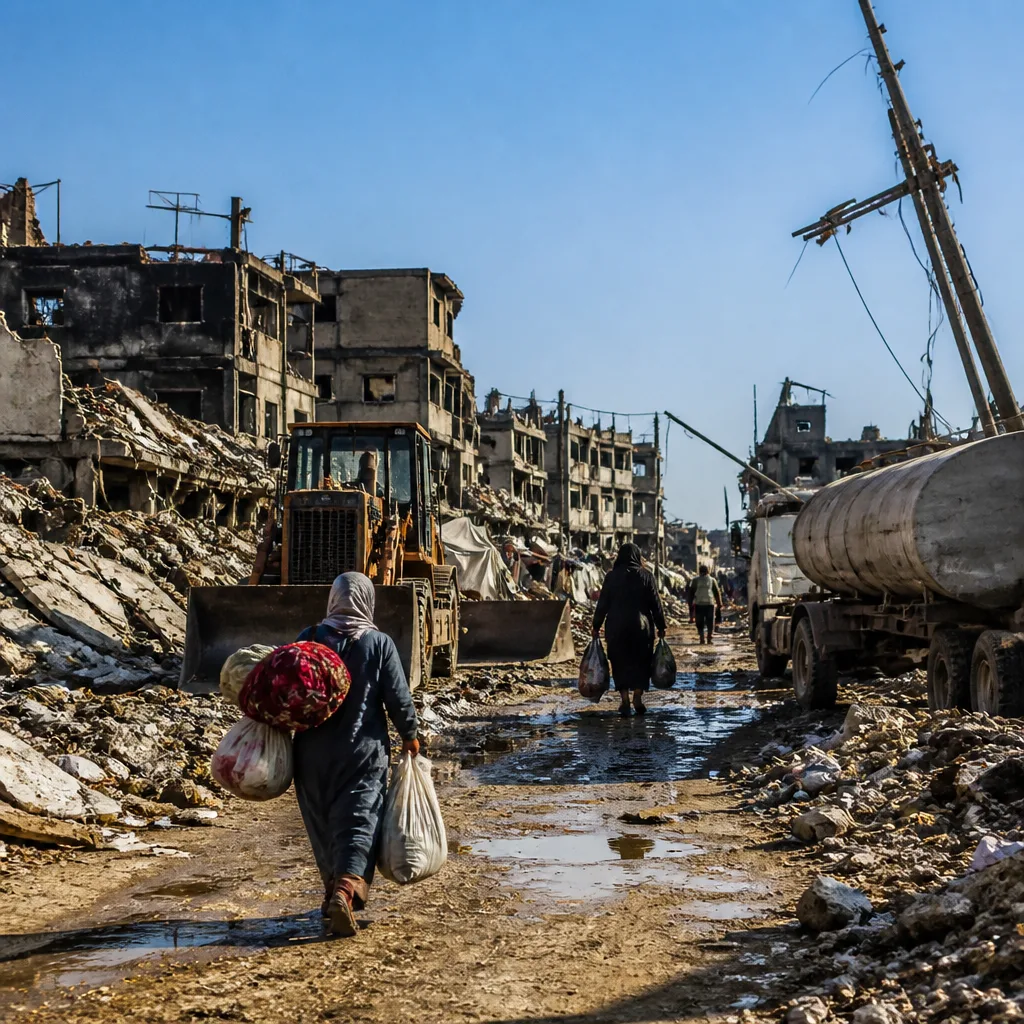
The report describes an operation known as Iron Wall in which Israeli military, police and other forces entered camps in the north of the occupied territory and, the UN says, killed civilians, destroyed hundreds of homes and damaged essential infrastructure. According to the document, water and electricity supplies were cut and humanitarian access was blocked before residents were ordered from their homes.
After a period during which Israeli forces consolidated control of the areas, the UN rights office said the populations of the camps were “forcibly displaced in their entirety”. As of July this year, the report records that 33,362 Palestinian refugees displaced from the three camps had not been allowed to return.
“The large-scale, long-term and systematic displacement of over 33,000 Palestinian refugees from refugee camps such as Jenin, Nur Shams and Tulkarm during Israel's Operation Iron Wall... raises serious concerns of the crime against humanity of forcible transfer,”
The report highlights the range of methods it says were used to render the camps uninhabitable and to prevent return, including airstrikes, armoured bulldozers and controlled detonations. The UN rights office said such measures, used to force displacement and obstruct return, are not permissible under international law and amount to collective punishment.
Scope, numbers and immediate consequences
The UN document focuses on three named camps:
- Jenin
- Nur Shams
- Tulkarm
It reports a combined displaced population exceeding 33,000 people and notes that, months after the operation, those individuals had not been permitted to return to their homes. The rights office said the pattern of actions and their effects raise “serious concerns” about the applicability of the crime of forcible transfer, a form of deportation or displacement that can be prosecuted as a crime against humanity under international law.
| Camp | Reference in report |
|---|---|
| Jenin | Included among camps from which residents were displaced |
| Nur Shams | Included among camps from which residents were displaced |
| Tulkarm | Included among camps from which residents were displaced |
Allegations of prohibited tactics
The UN rights office describes a sequence of actions that it says effectively prevented civilians from remaining or returning: operations that damaged shelters and infrastructure, direct and indirect attacks on civilians, restrictions on humanitarian relief and measures that cut utilities. It states these were used to force the displacement of residents and to impede any possible return.
- Reported use of airstrikes and heavy engineering equipment
- Destruction and damage to hundreds of dwellings and public infrastructure
- Denial of water, electricity and humanitarian access
- Door-to-door operations resulting in people being ordered to leave
Such conduct, when proven to be systematic and widespread, can engage individual and state responsibility under international criminal and human‑rights law. The UN report asserts the pattern seen in January 2025 raises those questions.
Reaction and significance
Israel has rejected the report and criticised its findings. The publication is likely to increase international scrutiny and fuel debates over accountability and the protection of civilians in occupied territories. While the UN rights office set out its assessment and expressed concerns about potential crimes against humanity, it did not set out criminal charges—those would be matters for judicial or prosecutorial bodies with appropriate mandates.
The report’s release is consequential for diplomatic relations, humanitarian planning and any future legal processes. It further underscores the urgent challenges faced by displaced populations from these camps, who remain unable to return months after the operation described in the document.
For readers following developments in international justice, the UN assessment is a significant step: it frames conduct observed in the operation in the language of international criminal law and calls attention to possible violations that may warrant further investigation.