Council moves to nail down standards across converted flats
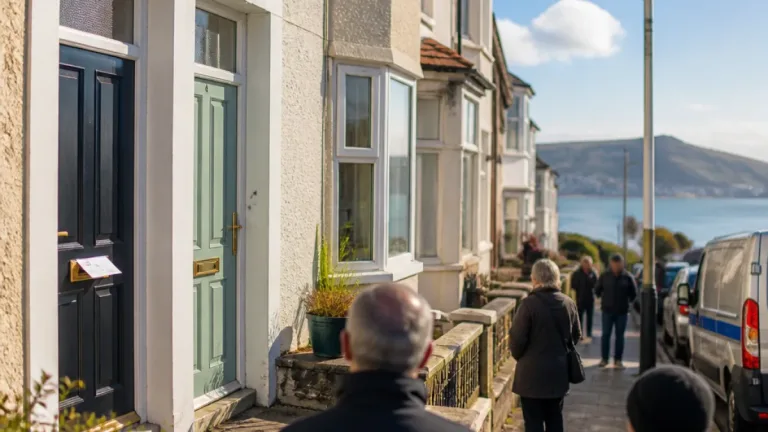
Salford City Council has announced a drive to bring dozens of privately rented, converted flats under formal oversight after finding the majority of unregistered houses in multiple occupation (HMOs) are not meeting expected standards. The authority believes there are about 425 such properties across the city and will require landlords to apply for licences to demonstrate adequate safety and management arrangements.
The council says licences will be granted only where landlords can show properties are safe, properly managed and fitted with the necessary fire-safety measures. The move is intended to give the council better sight of the private rented sector, tighten accountability and improve conditions for tenants living in converted flats.
"We estimate there are around 425 such properties across the city. Evidence shows that many of these converted flats are not meeting the standards we expect, so we are taking decisive action," the council's executive support member for housing and anti-poverty said.
What licences will mean for landlords and tenants
The council outlines a clear test landlords must meet to secure a licence. At a minimum, applicants will need to show:
- properly maintained fire safety measures,
- robust property management arrangements, and
- compliance with housing standards and regulations.
Officials say the process will help the council identify properties that pose risks to residents and ensure landlords who are already compliant are recognised. The intention is to use licensing as a tool to raise standards across the private rented sector rather than to penalise those operating correctly.
Pushback from landlord groups
The proposal has already provoked criticism from landlord organisations. The National Residential Landlords Association (NRLA) warned the additional licensing scheme could disproportionately hit compliant owners while doing little to bring rogue landlords into compliance.
Samantha Watkin, a senior policy officer at the NRLA, argued that extra administrative and financial burdens fall hardest on small-scale landlords and could reduce the supply of rental properties in Salford.
She told the council in a formal letter that additional licensing often "place[s] the greatest burden on compliant landlords, while those who operate under the radar are less likely to engage." The NRLA warned the cost of complying could undermine the financial viability of letting for smaller owners and potentially shrink the local rental market.
Numbers and next steps
The council's estimate of 425 unregistered HMOs gives a sense of scale but also underlines the task ahead. The proposed scheme is currently at the stage of firming up requirements and consulting on how licensing will be implemented.
| Item | Figure |
|---|---|
| Estimated unregistered HMOs in Salford | 425 |
Local consequences and context
For tenants, the council stresses licensing should mean safer homes and clearer recourse where landlords fail to maintain standards. For landlords, particularly those with small portfolios, the change may bring new costs and paperwork. For neighbourhoods, better-regulated HMOs could reduce anti-social behaviour and safety concerns that sometimes accompany poor management.
The balance the council seeks is straightforward: protect tenants and improve housing conditions while avoiding unnecessary burdens on legitimate landlords. How that balance is struck will depend on the details of the licensing scheme and the outcomes of any formal consultation. Salford residents, tenants and landlords alike will want to watch closely as the council develops the policy and sets out practical enforcement plans.
The council has framed the licensing as a safety and standards measure. Whether landlords and campaigners accept that rationale will determine the tone of the debate and the scheme’s likely success in driving up standards across Salford’s private-rented sector.