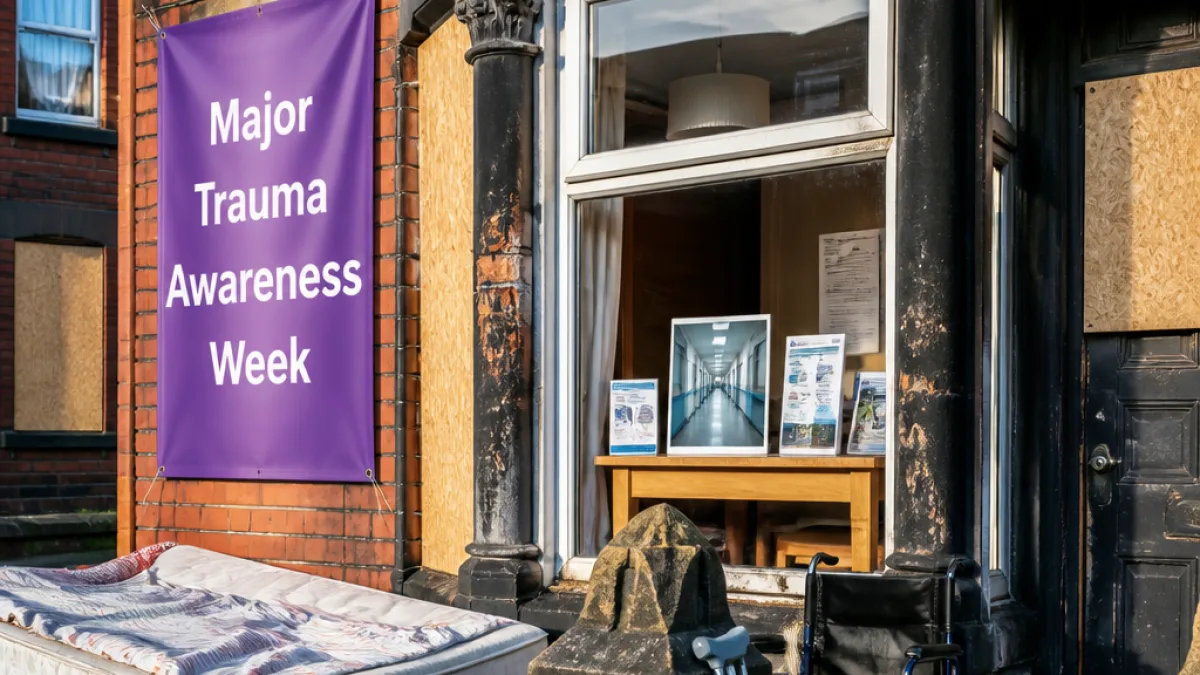
From hospital ward to dining-room bed: the long recovery invisible to many
A Preston woman who endured catastrophic injuries after fleeing a blaze started by her former partner is the public face of a new awareness campaign aiming to shine a light on the persistent, often hidden, consequences of major trauma.
The campaign, launched by Day One Trauma Support to mark Major Trauma Awareness Week, centres on the experience of a local survivor identified as Emma Martin. Her story underscores that surviving a life-threatening injury is only the start of a difficult, frequently unseen, recovery.
Emma was asleep when the fire began. By the time she woke, her exit route was blocked and she had no option but to jump from her bedroom window. Medical staff treated her for severe smoke inhalation and she sustained multiple serious fractures.
| Injury / Treatment | Details |
|---|---|
| Spinal injury | Spinal fracture |
| Legs | Complex fractures in both lower legs |
| Respiratory | Severe smoke inhalation, treated in intensive care |
| Operations | Two six-hour surgeries |
| Inpatient stay | One month on major trauma ward |
Returning home wasn’t the end of her ordeal
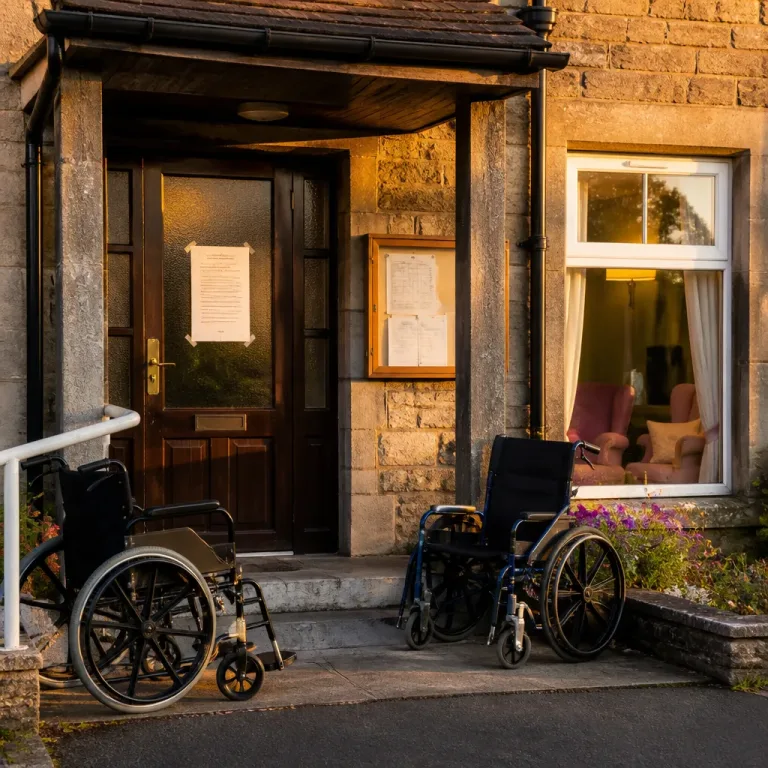
Although hospital staff told her she would be discharged, Emma had nowhere to return to. The fire destroyed her home and possessions. She moved in with family but was largely confined to bed in their dining room for seven months, reliant on others for everyday tasks she had previously managed herself.
“I had to move back in with my family and, for seven months I was largely restricted to bed in their dining room and dependent on other people for almost every part of daily life,” Emma said, describing the loss of privacy and dignity that followed her physical injuries.
She described how losing independence after escaping a controlling relationship compounded the trauma. Emma said being unable to wash, make a drink or access a bathroom left her with dark thoughts and a profound sense of loss.
Campaign aims: change assumptions about survival
The campaign, called I lost my life when I didn’t die, challenges the common belief that leaving hospital marks the end of a survivor’s suffering. Day One Trauma Support says many people, families and professionals underestimate the scale of practical, psychological and social needs faced by those who survive major injuries.
Lucy Nickson, Chief Executive of Day One Trauma Support, warned that major trauma can happen to anyone and highlighted the need for better recognition of long-term impacts.
- Visibility: The campaign raises awareness that survival does not always equal recovery.
- Support gaps: It points to the loss of housing, independence and mental wellbeing that can follow hospital discharge.
- Community role: It urges local services, families and employers to recognise continuing needs.
For Preston residents, the story is a reminder of the layered harms that can follow domestic violence and deliberate fire-setting: immediate physical injury, the loss of a home, months of dependency and ongoing psychological strain. It also highlights the role of local and regional support networks in helping survivors rebuild their lives.
Day One’s campaign includes survivor testimony to press for greater understanding among healthcare professionals, local authorities and the public. It aims to ensure that discharge plans go beyond immediate medical needs to consider housing, mobility, mental health and dignity in recovery.
Emma’s account is stark: surviving the flames did not end her ordeal. The new awareness work asks the public and those who plan services in Preston to recognise how much recovery can demand — and how little is sometimes provided once hospital doors close.