
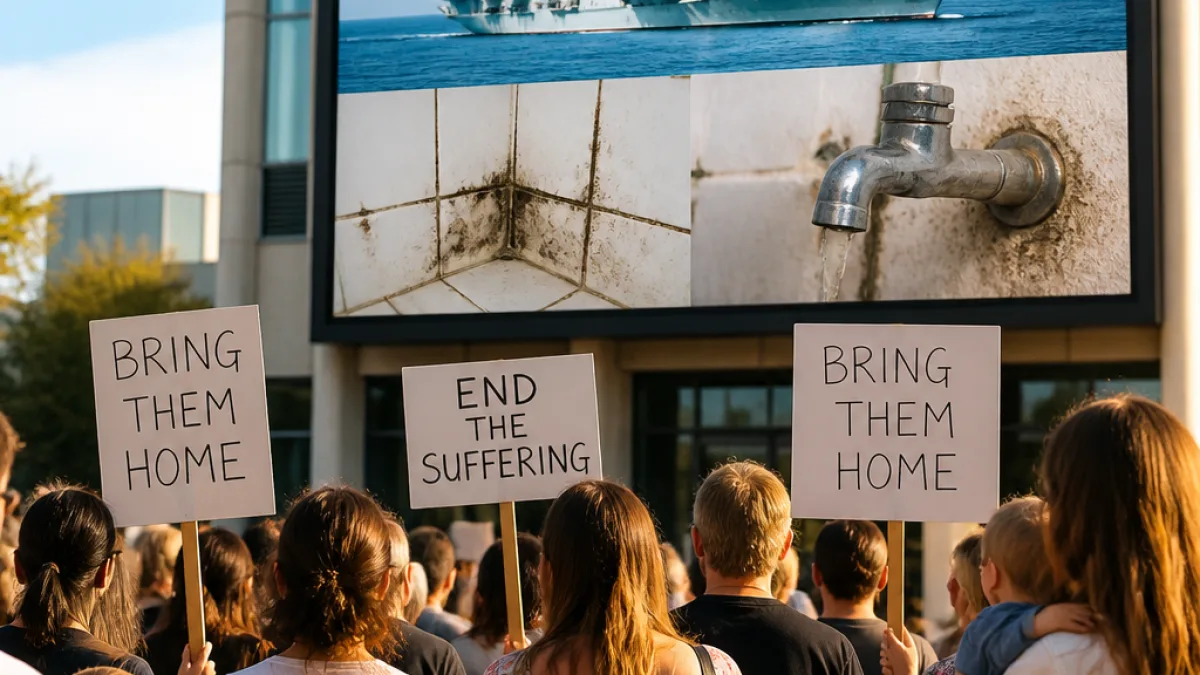
Families voice concerns as carrier surpasses 260 days at sea
Families of sailors aboard the USS Abraham Lincoln have begun to publicise concerns over living conditions and crew welfare after the aircraft carrier has remained at sea for more than 260 days, the longest deployment for a US carrier in the modern era. The ship, which carries about 5,000 sailors, has been operating in the Arabian Sea in support of operations related to Iran.
The US Navy held two listening sessions on Thursday night for families of the Lincoln’s crew — one in person in San Diego and a second online. Recordings of those sessions were subsequently leaked to MS NOW and have been widely reported.
Allegations include hygiene problems, fatigue and supply shortfalls
Family members described a range of problems affecting sailors on board. Reported issues include:
- showers afflicted with persistent mildew;
- flagging morale and heavy fatigue due to prolonged operational tempo;
- shortages of supplies and food;
- contaminated water supplies; and
- lost mail.
While the accounts describe conditions that are "survivable," family members told the sessions they remain worried about the cumulative effect on sailors’ mental health and physical safety. The flight deck environment on a carrier is inherently hazardous, and relatives warned that fatigue and distraction increase the risk of accidents.
"Human Factors Councils...review the human factors that impact the wellness of individuals within the command and identify primary prevention efforts to reduce relevant risk(s)."
The Navy has highlighted the role of those Human Factors Councils as central to reviewing welfare and addressing risks on board, emphasising existing structures intended to protect sailors.
Relief ship named but date not fixed
Officials have said that the USS Theodore Roosevelt will relieve the Abraham Lincoln at some point in the near future, but have declined to provide a specific departure date. Such precision is standard practice during ongoing operations.
The absence of an announced timeline has contributed to the anxiety among families, who have resorted to public channels to press for information and action. The Navy’s senior leadership held the listening sessions to engage directly with family concerns, but the leak of the recordings indicates some dissatisfaction with how those meetings were handled.
| Fact | Detail |
|---|---|
| Deployment length | More than 260 days at sea |
| Ship complement | Approximately 5,000 sailors |
| Reported problems | Mildew, fatigue, supply shortages, contaminated water, lost mail |
| Relief vessel | USS Theodore Roosevelt (date not announced) |
Local readers might note the resonance of the ship’s name with our city, but the USS Abraham Lincoln is a US Navy vessel and the matters in question are part of international naval operations and personnel welfare. The concerns raised by families underline broader questions about the strain of prolonged deployments, the adequacy of support systems for service personnel, and transparency from military authorities.
For families, the immediate priorities remain reassurance about the physical safety of sailors and timely resolution of supply and maintenance problems. For naval authorities, the challenge is to balance operational requirements with crew welfare across an extended deployment.
As the Navy works towards relief by the Theodore Roosevelt and seeks to address the issues raised, relatives and observers will be watching for concrete improvements in living conditions and clear timetables for rotation.