
Chandigarh: The Punjab Assembly on Monday unanimously passed the Punjab State Outsourced Personnel (Transition to Contractual Engagement) Bill, 2026, a move the state government says will allow more than 26,000 outsourced employees in various departments and state entities to be transitioned into direct contractual engagement.
What the law provides
The legislation sets qualifying periods for outsourced staff to become eligible for direct contractual engagement. In general, employees who have rendered five years of continuous service in outsourced positions will qualify for contractual engagement with the government. For categories designated as hazardous, the qualifying period has been reduced to three years.
The Chief Minister, Bhagwant Mann, who wound up the debate on the bill on the last day of the Vidhan Sabha’s monsoon session, said the law aims to end exploitation by removing middlemen and establishing a direct employment relationship between eligible personnel and the state.
“The 15% to 22% commission currently charged by outsourcing agencies will no longer be deducted as an agency commission and the corresponding benefit will accrue to the employees.”
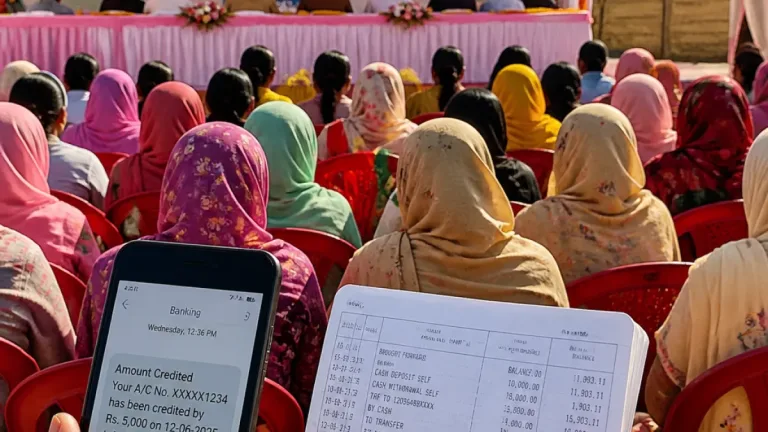
The bill also spells out safeguards intended to secure workers’ financial and service benefits. According to the text and statements in the Assembly, remuneration to newly contracted employees will not be less than either their existing salary or the legally prescribed minimum wages, whichever is higher. In addition, eligible workers will receive social security and service-related benefits.
| Benefit | Provision |
|---|---|
| Remuneration | Not less than existing salary or legally prescribed minimum wage |
| Provident Fund (PF) and gratuity | Employees will receive PF and gratuity benefits |
| Employees' State Insurance (ESI) | Entitlement to ESI benefits |
| Maternity leave | Covered like regular employees |
| Casual leave | 10 days per year, parity with regular staff |
| Service records | iHRMS account access for transparency |
Scope and sectors covered
The bill, as outlined in the Assembly discussion, is aimed at eligible Group-C and Group-D outsourced personnel engaged in essential public services and meeting prescribed qualifications and other conditions. Officials listed examples of services that will benefit under the measure, including:
- Electricity
- Fire and emergency response
- Sewerage and sanitation
The legislation is intended to address repeated complaints received by the government about private outsourcing agencies. Chief Minister Mann cited issues such as disparities between the salary paid by the state and the amounts actually received by workers, abrupt removal of outsourced staff without notice, and replacement with cheaper labour.
Chief Minister's rationale
Mr Mann framed the bill as both a protection for workers and a transparency measure. By doing away with intermediary agencies for eligible posts, the state expects the full monetary entitlements to reach employees. He emphasised that the move will mirror certain conditions of regular employment — including leave entitlements and social security — and that employees will have their service records maintained on the integrated Human Resource Management System (iHRMS), enabling clearer tracking of service history.
The chief minister also noted that contractual engagement under the bill would materially improve take-home pay by eliminating the agency commission that formerly reduced workers’ earnings.
Implementation questions and next steps
The Assembly cleared the bill unanimously, but the practical rollout will require administrative rules and operational directives to define qualifying criteria, verification of continuous service, and the mechanism for converting eligible outsourced staff into contractual positions. The bill's passage sets the legal framework; departments will now need to implement the provisions through circulars and personnel procedures.
For workers in rural and urban local bodies who have long relied on outsourced engagements for livelihoods, the change promises a direct relationship with the state and access to statutory benefits. How quickly and smoothly individual departments translate the new law into practice will determine the immediate impact on pay cycles, benefits enrolment and job security for the affected workforce.
Chandigarh was the centre of the debate during the monsoon session when the legislation was adopted. The move is likely to be watched closely by public-sector employees and labour rights groups across Punjab as the government proceeds to frame implementation norms.