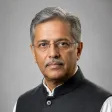
Srinagar: Jammu and Kashmir Chief Minister Omar Abdullah on Friday strongly criticised Pakistan's comments on the Indus Waters Treaty (IWT), saying the pact had “drained” the region's resources and arguing it should remain cancelled to allow full use of local rivers.
Claims over lost water rights
Addressing the issue, Mr Abdullah said the people of Jammu and Kashmir had been deprived of their rightful use of rivers under the treaty and questioned Pakistan's professed concern for Kashmir when water access was at stake, according to India TV News.
"Yes, this is our blood. We have always said that our blood has been drained. This water is ours... these are our rivers, and we had a rightful claim to them," Omar Abdullah was quoted as saying.
He emphasised that of the six rivers governed by the Indus Waters arrangement, three were retained by India — those flowing through Punjab — while the other three were handed over to Pakistan. He said Jammu and Kashmir had borne the consequences since the treaty's implementation and cited practical constraints that affected the Union Territory.
Specific grievances cited
- Mr Abdullah said authorities in Jammu and Kashmir could not draw drinking water from the Chenab, a river he named specifically.
- He cited inability to construct the Tulbul barrage and to exploit the Jhelum for irrigation as further examples of limitations imposed by the treaty.
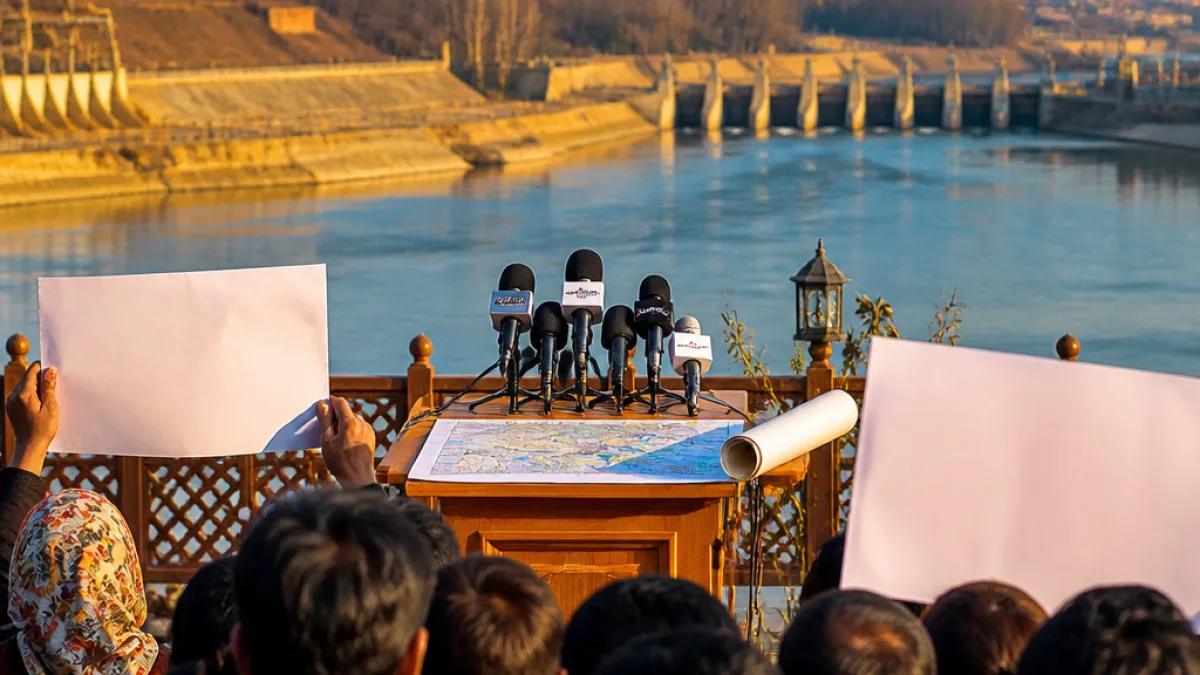
- He said large dams to store and regulate water on local rivers could not be built because of the constraints of the IWT.
According to the India TV News report, Mr Abdullah welcomed a recent remark by Pakistan's prime minister — described by the chief minister as calling attention to a "drop of blood" — saying the comment underlined the long-standing grievance that the treaty had effectively siphoned off Kashmir's water resources.
On treaty status and political demand
Omar Abdullah stated that "now that the Indus Waters Treaty has been cancelled, it should remain cancelled so that we can make proper use of our water resources," the report said. The chief minister also reiterated his demand for the full restoration of statehood for Jammu and Kashmir, the report added.
| Aspect | Mr Abdullah's claim (as reported) |
|---|---|
| Number of rivers governed by treaty | 6 |
| Rivers retained by India | 3 (those flowing through Punjab, said the chief minister) |
| Rivers handed to Pakistan | 3 |
The comments come amid heightened public sensitivity in the Union Territory over natural resources and questions about control and development rights. Mr Abdullah framed the water issue in emotive terms, saying the region had lost out under the treaty regime and urging policy change to enable local water projects.
Practical implications highlighted
By invoking specific projects such as the Tulbul barrage and restrictions on drawing water from the Chenab, the chief minister pointed to infrastructure and livelihood impacts. If the treaty's status changes in practice, proponents in Jammu and Kashmir say it would open possibilities for local irrigation schemes, drinking water supply projects and larger storage structures; the report conveys these as the chief minister's rationale for insisting the cancellation be maintained.
The India TV News account records the chief minister's remarks without independent confirmation of the treaty's formal status or of any immediate policy steps to alter water-sharing arrangements. Mr Abdullah's statements underline a renewed focus in Jammu and Kashmir on asserting local rights over river waters and on ensuring that water-development projects are not impeded by external agreements, the report said.
Further developments on central government positions, possible diplomatic exchanges with Pakistan, and technical assessments of river projects were not detailed in the report.
— Reported by India TV News; compiled for WE NEWS by the Jammu and Kashmir correspondent.