New Delhi: The Election Commission of India’s third phase of the Special Intensive Revision (SIR) of electoral rolls resulted in the deletion of more than 1.5 crore names from draft rolls in 12 states and Union Territories, the Commission reported on Tuesday. The latest deletions represent an estimated 11.5% reduction in the number of voters covered by the most recent enumeration exercise, the statement said.
Scale of changes so far
The deletions in the third phase add to large-scale adjustments recorded during the earlier stages of SIR. According to the figures cited by the Commission, more than 7.2 crore voters were removed during the first two phases across 13 states and Union Territories. With the fresh deletions, the cumulative number of electors removed from the rolls has crossed 8.7 crore, though the Commission cautioned these totals remain subject to change during the appeals and re‑verification process.
The revisions have not been limited to deletions. The SIR reported additions as well: around 2 crore new registrations were recorded during the second phase. Taking additions and deletions into account, the Election Commission placed the net reduction in the number of electors so far at about 6.7 crore.
Geography of the third phase and extended exercises
The third phase covered a wide range of states and Union Territories, including Andhra Pradesh, Arunachal Pradesh, Chandigarh, Dadra & Nagar Haveli and Daman & Diu, Delhi, Haryana, Jharkhand, Karnataka, Maharashtra, Manipur, Meghalaya, Mizoram, Nagaland, Odisha, Punjab, Sikkim, Telangana, Tripura and Uttarakhand. The Commission said revised electoral rolls for certain areas were still pending publication as door‑to‑door verification had been extended for some regions.
- Areas where the door‑to‑door verification was extended include Delhi, Punjab, Telangana, Karnataka and Maharashtra.
- Revised rolls for some pockets in Tripura and Nagaland were also awaited at the time of the report.
Dadra & Nagar Haveli records highest deletion rate
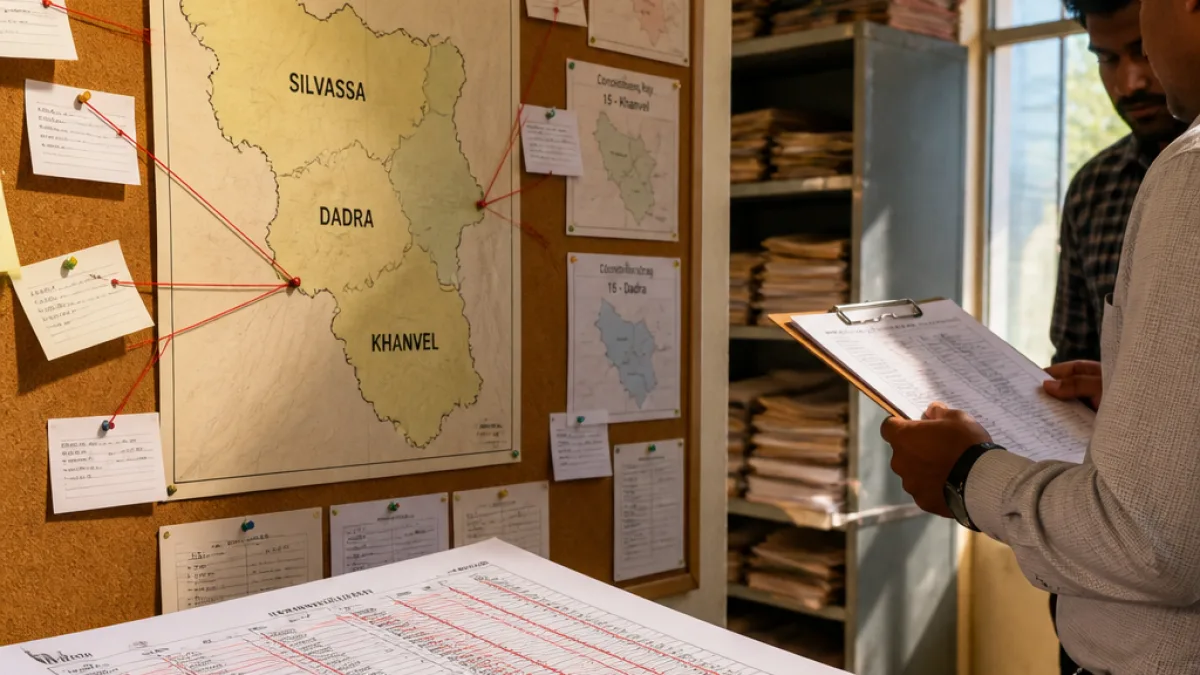
Among the jurisdictions covered in the third phase, Dadra & Nagar Haveli and Daman & Diu registered the highest proportion of deletions, at 29.64%, the Commission’s figures show. The high deletion rate in the Union Territory highlights the significant local impact of the SIR exercise in a relatively small electorate.
| Measure | Figure |
|---|---|
| Deletions in third phase | 1.5+ crore |
| Cumulative deletions after three phases | 8.7+ crore |
| Additions during second phase | 2 crore |
| Estimated net reduction so far | 6.7 crore |
What the Commission says and the next steps
The Election Commission has emphasised that the published figures are provisional. Final rolls could change as the Commission considers new registrations, objections and appeals submitted during the subsequent stages of the revision process. Officials noted that deletions are aimed at removing names that may no longer be valid—due to duplication, relocation, death or other reasons—after verification.
Voters and political stakeholders in the affected areas now await the publication of revised rolls and the outcome of objections and appeals. The Commission’s process allows for fresh registrations and challenges to deletions before the electoral lists are finalised for future elections.
Local implications and practical points
The scale of deletions—including the nearly 30% rate reported from Dadra & Nagar Haveli—could have practical consequences for electoral administration and for residents who may find their names missing from draft rolls. Citizens whose names have been deleted during SIR retain the right to seek redress through the Commission’s prescribed objection and appeal mechanisms, the statement reminded.
- Check the provisional draft electoral roll published by the local election office once available.
- If a voter finds an omission, the person may submit an objection or apply for inclusion during the revision window provided by the Commission.
- Deleted entries are subject to review and may be reinstated if supporting evidence is furnished through the prescribed process.
The Commission has not yet released detailed, polling‑station level breakdowns for all areas covered in the third phase. Political parties, civil society groups and residents will be watching the appeals period closely for changes that could affect constituency electorates ahead of any future polls.
Officials said the SIR is intended to strengthen the accuracy of electoral rolls nationwide, even as it produces temporary disruptions in voter lists that require careful management through transparent notification and appeals.