CHANDIGARH: The Union government has approved a detailed estimate of ₹1,419.05 crore for the 39.68-kilometre Qadian–Beas broad gauge railway line in Punjab, reviving a British-era project that had been dormant for decades.
The Railway Board sanction follows a formal announcement in June 2026 to resume work on the line, which was first sanctioned in 1928–29 by the North-Western Railway. Construction had progressed in the early 1930s but was later discontinued. Senior BJP leader and former Union minister of state for Railways Ravneet Singh Bittu said he had repeatedly taken up the matter with the ministry and officials to defreeze the scheme.
“The government formally announced the revival of the 39.68-km Qadian–Beas line at an estimated cost of around Rs 1,400 crore. The latest Railway Board sanction has placed the detailed estimate at Rs 1,400 crore,” Bittu said.
Alignment and local reach
According to the latest plan, the rail alignment will run through Qadian, Dhapai, Ghuman, Butala, Sathiala and Beas. The project is expected to connect several previously underserved areas of the Majha region to the national railway network, improving passenger and freight movement for towns and villages that currently rely on road transport.
Officials and political representatives have highlighted the wider benefits that the corridor may bring to neighbouring urban centres. Bittu noted that Gurdaspur and Batala would gain improved access via the Qadian corridor, and that Beas would act as an important node for onward connectivity.
Project components and modern systems
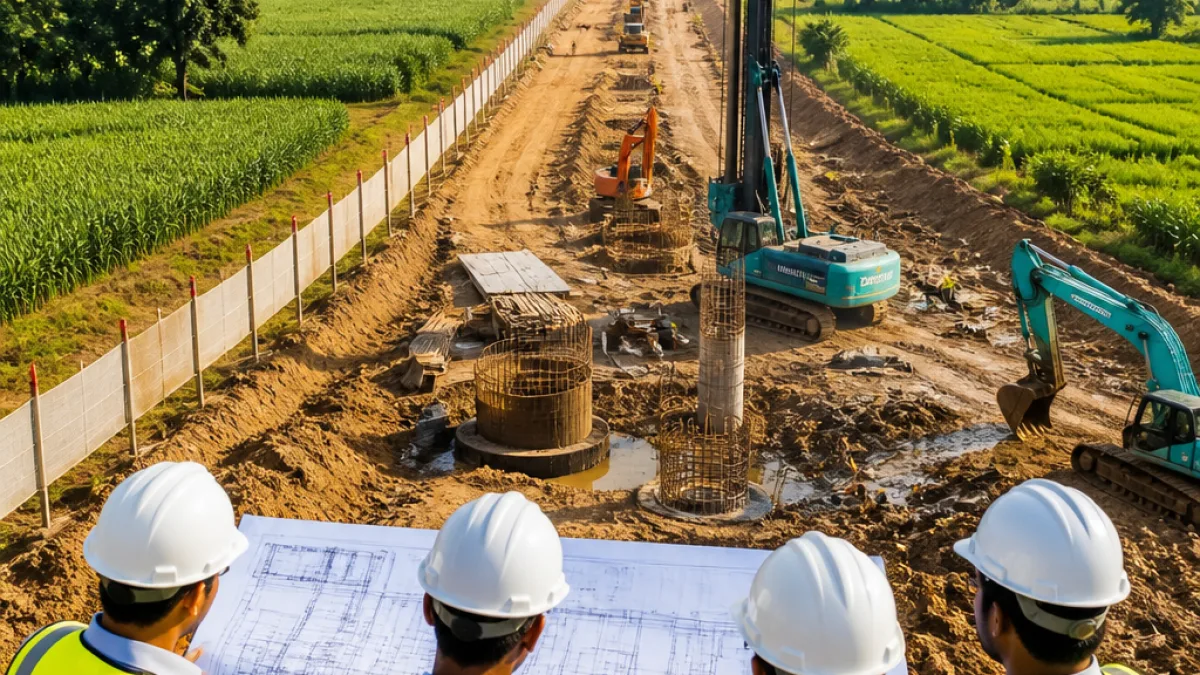
The sanctioned estimate includes extensive civil and signalling works. Key features specified in the detailed estimate are:
- Crossing stations at Ghuman and Butala
- 11 major bridges and 121 minor bridges
- 54 road underbridges
- Modern signalling and telecommunication systems
- Implementation of Kavach train protection technology
| Parameter | Details |
|---|---|
| Length | 39.68 km |
| Estimated cost | ₹1,419.05 crore |
| Major structural works | 11 major bridges, 121 minor bridges, 54 RUBs |
| Signalling | Modern signalling, telecom and Kavach |
Economic and social implications
Officials expect the line to ease the movement of people, students, traders and pilgrims and to facilitate transportation of agricultural produce from the Majha belt. Improved rail connectivity could lower road freight costs, reduce travel time to larger railway hubs and expand market access for farmers and small traders in the region.
Local economies around Qadian and Beas, which host religious and commercial activity, stand to benefit from increased passenger flows and better supply-chain links. The inclusion of multiple underbridges and bridges suggests the alignment will navigate agricultural tracts, canals and existing road networks—requiring substantial land and civil works.
Implementation, timelines and land acquisition
The detailed estimate sanction is a key procedural step but not an immediate indicator of when construction will begin or be completed. The project will require land acquisition along the alignment, which could involve consultations with landowners, compensation settlements and statutory clearances. The Railway Board’s sanction provides the financial framework for bidding, detailed designs and subsequent execution phases.
Stakeholders in the Majha region, including local councils and traders, will be looking for clarity from the railways on the project timeline and the schedule for land procurement and contractor appointments.
Political context
The revived railway plan has acquired political salience with the Punjab Assembly elections due in early 2027. Senior BJP leaders have highlighted their role in securing the sanction after prolonged advocacy. For residents and local leaders, the announcement is likely to be measured against delivery of on-ground action and timely commencement of construction.
As the project moves from sanction to execution, attention will centre on how quickly land-related hurdles are resolved and whether the railways can adhere to the estimated cost and timelines while integrating modern safety systems such as Kavach.
Note: The sanctioned detailed estimate figure and alignment towns are as reported by officials and parliamentary representatives involved in reviving the scheme.