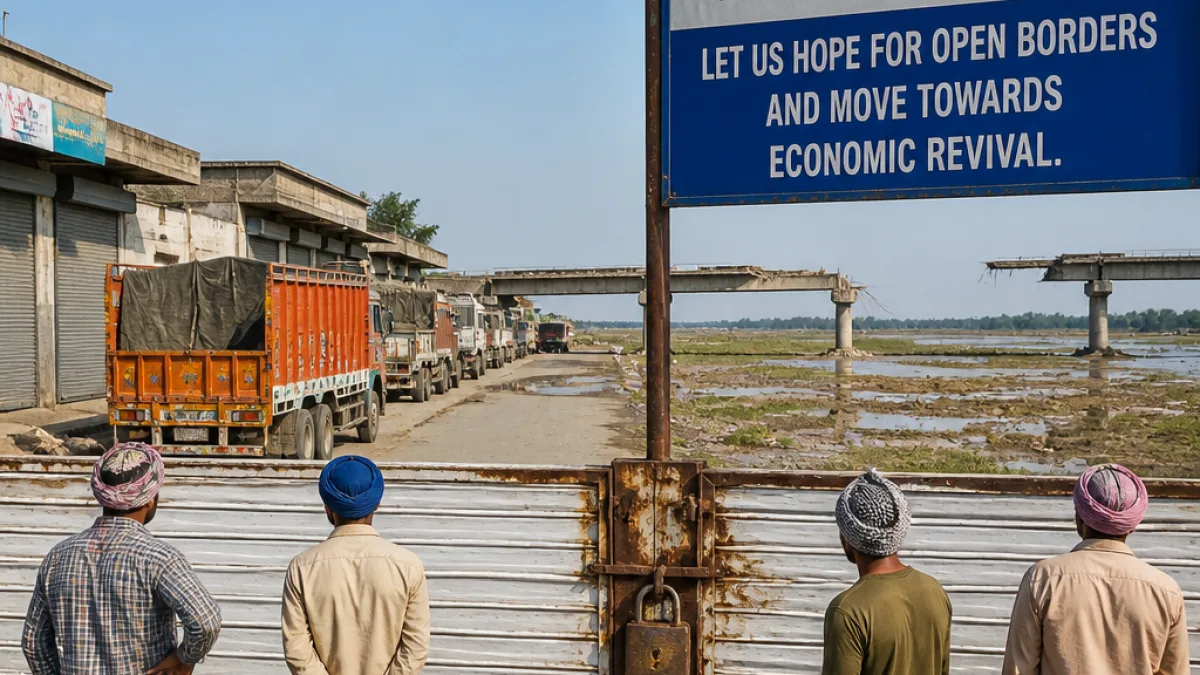
MP seeks central aid for border economy, flood resilience
Amritsar MP Gurjit Singh Aujla has asked the Union finance minister for a targeted financial package to revive economic activity, industry and trade in the district’s border belt, according to a letter submitted to Nirmala Sitharaman. The request identifies Attari, Ajnala, Ramdas and nearby villages as areas that have suffered prolonged economic setbacks following the closure of cross‑border trade with Pakistan.
In the correspondence, Aujla highlighted the cascading impact the trade disruption has had on a wide range of local stakeholders — transporters, clearing agents, labourers, traders, warehouse operators and thousands of households dependent on border commerce. He also pointed to a discouraging trend of industrial investment and employment opportunities shifting to neighbouring states, creating economic anxieties among local youth.
- Economic losses: Closure of cross‑border trade affecting livelihoods across supply chains.
- Investment flight: Industries and capital moving out, reducing local job prospects.
- Climate vulnerability: Ajnala‑Ravi belt repeatedly damaged by floods and extreme weather.
Aujla drew attention to the border area's strategic and tourism importance — noting Amritsar’s profile as an international pilgrimage and tourism destination because of the Golden Temple and the Attari‑Wagah border ceremony — and said the border belt had not received development commensurate with that status. He sought a dedicated development plan for the border villages to correct the imbalance and stimulate sustainable growth.
"A multi‑year package covering industrial revival, new investments, MSME development, roads and bridges, improved connectivity and flood‑resilient infrastructure".
Proposed elements of the package and local implications
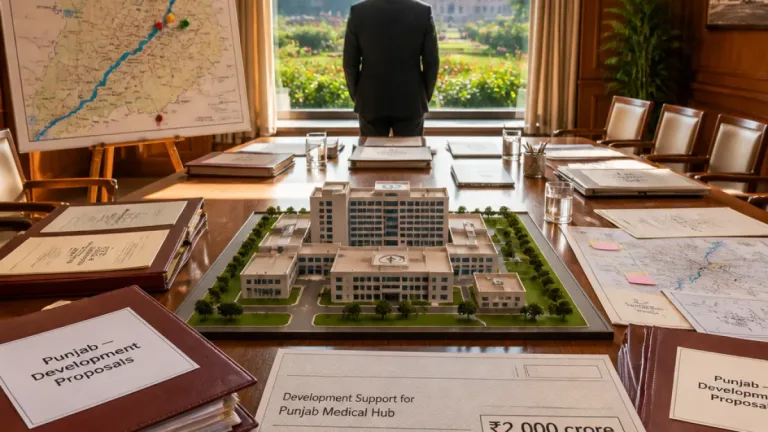
According to the letter, Aujla requested a comprehensive, multi‑year package to address immediate economic distress and to build long‑term resilience. The measures he sought include support for micro, small and medium enterprises (MSMEs), schemes to attract industrial investment, funds for road and bridge construction, enhanced connectivity and flood‑resilient public infrastructure.
The MP emphasised that recurring floods and extreme weather in the Ajnala‑Ravi belt have repeatedly damaged roads, agricultural land and public infrastructure — undermining recovery efforts and inflating repair costs. Improved flood‑resilient works could reduce recurring expenditure and protect agricultural livelihoods in the low‑lying stretches that serve many smallholder farmers in the zone.
| Area | Main concerns | Requested support |
|---|---|---|
| Attari | Loss of cross‑border trade, trader livelihoods | Industrial revival, MSME support |
| Ajnala | Flooding, damaged roads and agriculture | Flood‑resilient infrastructure, road/bridge funding |
| Ramdas & adjoining villages | Employment shortfall, movement of investment out of state | Connectivity improvements, incentives for investment |
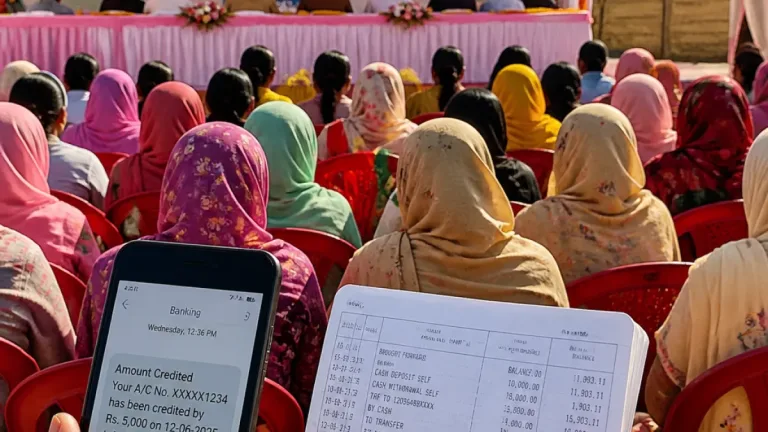
Local stakeholders in the border belt depend on a combination of agriculture, transport services and ancillary trade related to cross‑border movement. The suspension of trade channels with Pakistan, the letter said, has had a multiplier effect, disrupting incomes of daily wage labourers, transport crews and warehouse staff as much as traders.
Political and administrative context
The appeal to the finance minister comes amid continuing concerns in border districts about equitable development and disaster preparedness. A targeted central package would require concurrence and planning across line ministries — finance, home, agriculture, road transport and irrigation — as well as coordination with state authorities for implementation and monitoring.
For Amritsar, a successful package could help restore jobs, attract fresh investment and shore up infrastructure protections for both urban and rural communities. It could also strengthen the tourism‑linked economy by upgrading access and resilience in areas that serve visitors to the Golden Temple and the Attari‑Wagah corridor.
Any decision on the request will depend on federal budgetary priorities and inter‑governmental negotiations. Meanwhile, residents and local leaders in the identified border villages await a response that could shape the district’s economic outlook over the coming years.