Provincial support aims to shape a major mill transition
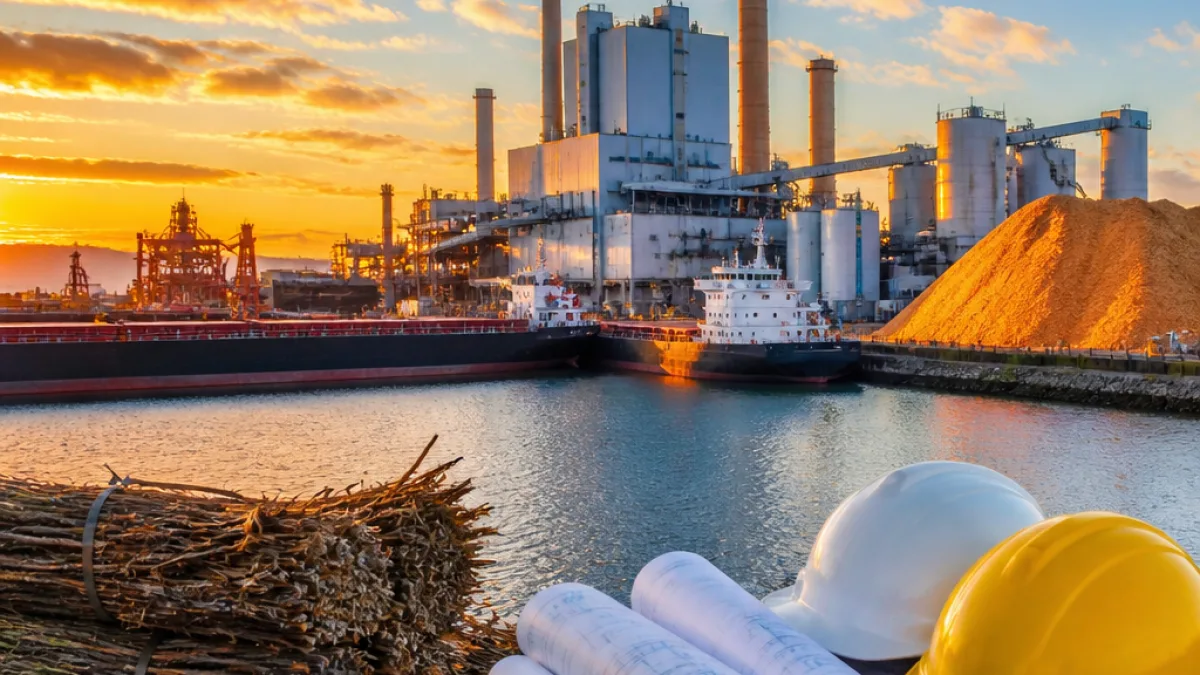
The Government of Ontario is investing more than C$2.4 million to underwrite engineering and planning work at Thunder Bay Pulp and Paper as the mill moves deeper into a pulp- and energy-focused operation following the closure of its newsprint line earlier in 2026.
The funding, announced through Ontario’s Forest Biomass Program, will cover the technical and economic studies needed to define a package of projects aimed at boosting production, cutting chemical usage in bleaching and reducing natural gas consumption at the mill. Company officials say the work will help decide whether to proceed with the larger capital investments.
Expected operational and regional impacts
Thunder Bay Pulp and Paper has identified a number of potential changes, including higher kraft pulp output, lower bleaching chemical consumption and reduced natural gas use. The announced targets include an approximate 11% increase in daily kraft pulp production and about a 30% reduction in bleaching chemical consumption.
- Energy savings: Engineering work aims to cut annual natural gas use by more than 5 million cubic metres — an amount the province says is equivalent to heating about 2,000 Northern Ontario homes for a year.
- Biomass demand: The productivity gains are expected to create demand for more than 130,000 tonnes of forest biomass annually, increasing harvesting, hauling and trucking work across Northwestern Ontario.
- Jobs protection: Together with two other forestry projects announced on Sept. 17, the provincial investments are projected to protect more than 700 direct jobs and roughly 3,350 indirect jobs in the regional forest supply chain.
"Thunder Bay Pulp and Paper is evaluating several strategic projects that are focused on lowering manufacturing costs and increasing productivity,"
said Norm Bush, chief executive officer of Thunder Bay Pulp and Paper. He said the provincial assistance will fund the engineering necessary to verify the technical and economic feasibility of projects under consideration.
Scope and potential capital costs
Company representatives have said the three projects being examined include measures to lower bleaching costs and emissions, reduce energy consumption and increase pulp production. While the government funding is limited to planning and engineering, the combined capital cost for these major projects could total approximately C$170–180 million if the company moves ahead.
| Measure | Target / Impact |
|---|---|
| Kraft pulp production | ~11% increase in daily output |
| Bleaching chemical use | ~30% reduction |
| Natural gas use | More than 5 million m3 saved annually |
| Forest biomass demand | >130,000 tonnes per year |
Local consequences and context
For Thunder Bay and the surrounding region, the project planning phase is a critical junction. The mill’s shift away from newsprint — a change announced in January 2026 when the company said it would discontinue newsprint production in the first quarter of the year — reflects broader structural shifts in North American demand for paper grades.
Should the company proceed with the capital projects, the additional biomass demand and longer-term energy-efficiency gains would ripple through the local economy, supporting forestry contractors, log-hauling firms and equipment providers across Northwestern Ontario. The province’s framing of the natural gas savings in terms of household heating underlines the scale of expected energy reductions.
At the same time, the projects carry significant capital requirements, and the provincial grant covers only the up-front engineering and planning work. The company must still determine whether the investments meet commercial thresholds and obtain the necessary financing and approvals.
For residents and workers in Thunder Bay, the immediate outcome will be clarity about the feasibility of the proposed upgrades. Longer-term, the work could stabilise and potentially expand the mill’s role in the regional forest economy while reducing its environmental footprint in energy use and chemical consumption.
As planning proceeds, the mill and the province will face scrutiny over timelines, costs and the degree to which projected benefits materialise for local communities and the broader Northern Ontario supply chain.