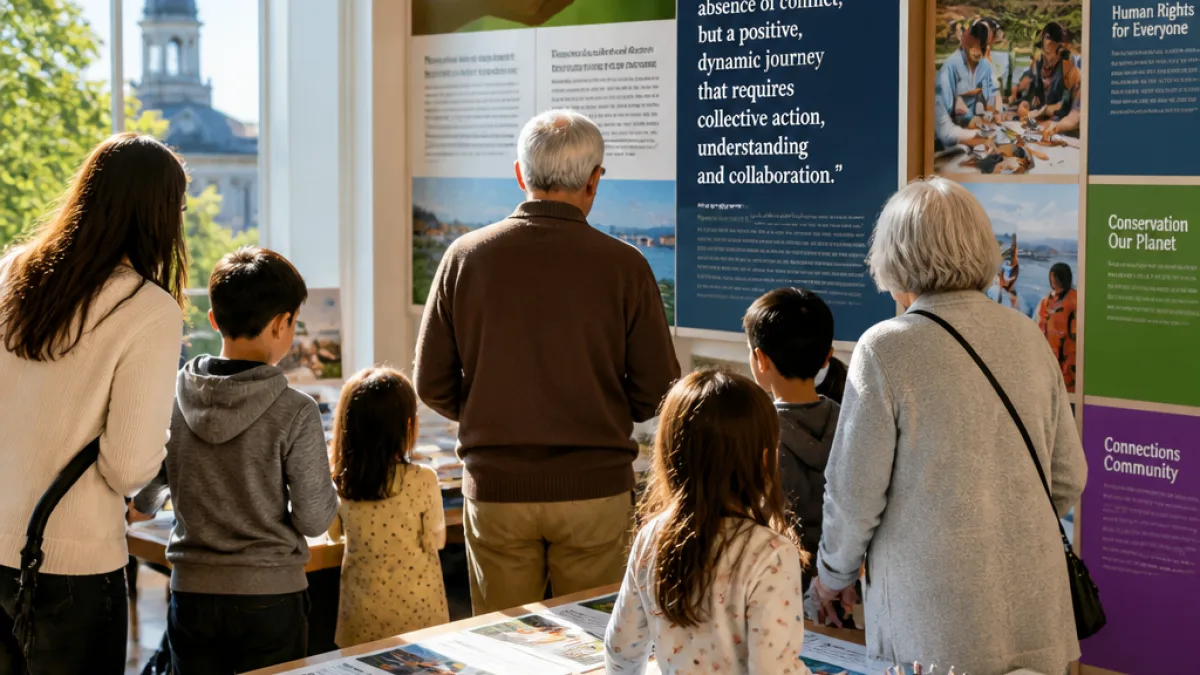
New local museum frames peace as a daily, community responsibility
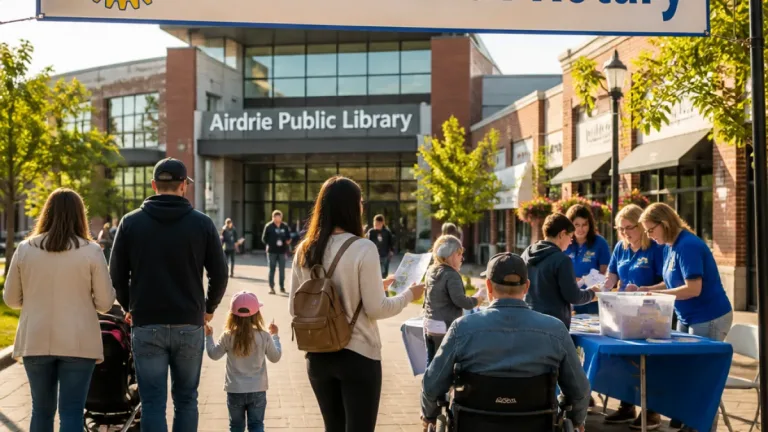
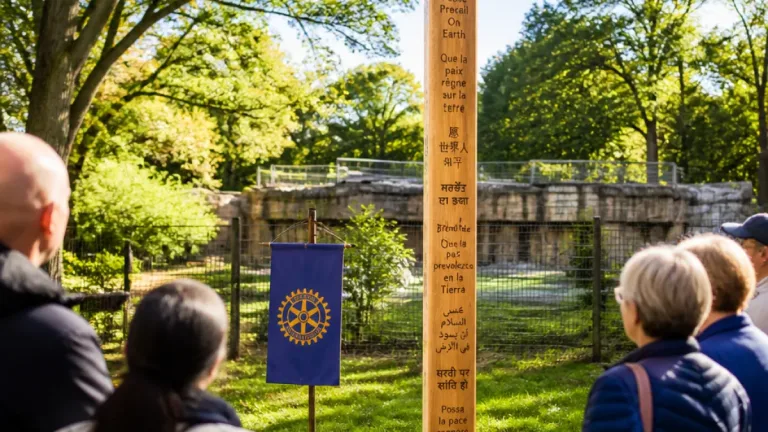
The Kingston Peace Museum & Learning Lab opened its doors in July and used the United Nations International Day of Peace on Sept. 20 to host a multigenerational gathering that centred education, dialogue and community participation.
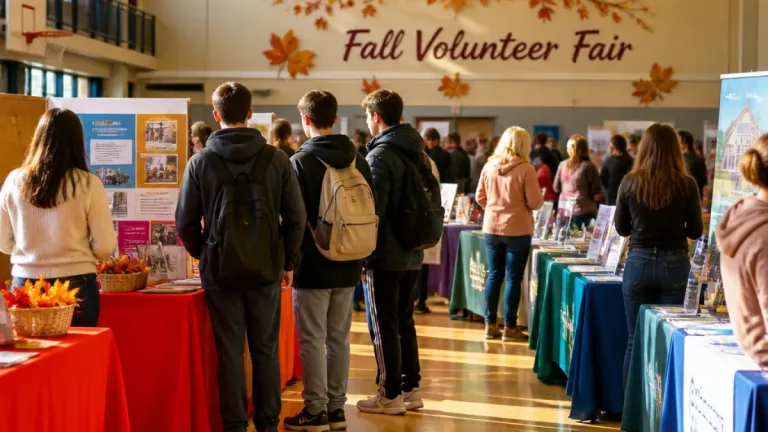
The event gave visitors a chance to move through the museum’s early exhibits and to consult educational material focused on human rights, environmental protection, immigration and the historical contributions of notable peacemakers. Organizers said the aim was to broaden how people in Kingston understand peace — not simply as the absence of armed conflict but as an ongoing project to build a more just, inclusive and sustainable society.
- Opening weekend: July 10–12 (grand opening)
- Peace Day celebration: Sept. 20
- 2026 UN theme: “Invest in Peace – For Everyone, Everywhere, Every Day”
In public remarks explaining the museum’s purpose, its founder and executive director, Dr. Ardizzone, said the institution was created in response to current cultural conditions and the need for new learning spaces. She summarised the museum’s drive with a direct admonition for civic focus:
“We’ve learned enough about war; it’s time we teach peace.”
The Peace Day gathering in Kingston was held in alignment with the United Nations’ observances. The UN General Assembly established an International Day of Peace in 1981 and designated Sept. 21 in 2001 as a day dedicated to non‑violence and ceasefire. The 2026 theme, promoted by the United Nations, calls on people and institutions to prioritise and resource peacebuilding everywhere.
United Nations Secretary‑General António Guterres was cited by museum organisers to underline the global framing of the day: he urged communities to be inspired by those who champion peace in everyday settings and to press leaders to invest in a peaceful future for all.
Local consequences and classroom potential
For Kingston residents, the museum’s focus on education positions it as a potential resource for schools, community groups and families seeking curriculum‑linked material or intergenerational learning experiences. The themes on display — from environmental stewardship to immigration — intersect with local conversations about social policy, heritage and community services.
The museum’s programming approach, pairing exhibits with learning resources, suggests an emphasis on actionable knowledge rather than static interpretation. That approach could shape how local educators and civic organisations use the site: as a place to practise dialogue and as a repository of teaching tools that encourage community involvement in peacebuilding.
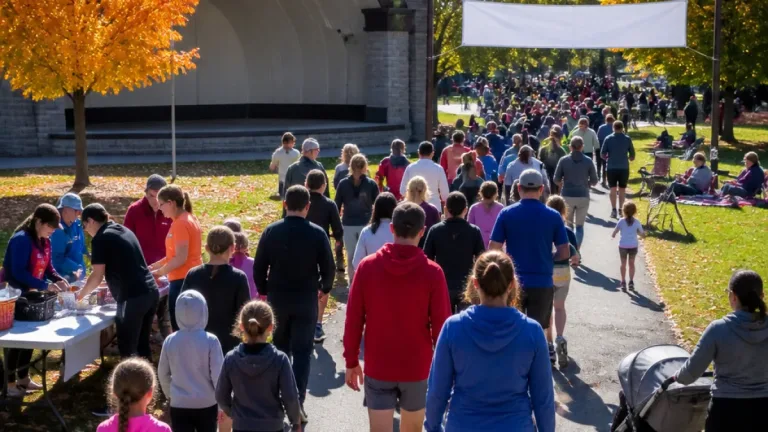
On the day of the event, attendees of different ages moved through displays and participated in discussions designed to highlight that building peace requires daily commitment in neighbourhoods, classrooms and everyday relationships. The museum’s statement that peace is something people can begin building together today echoes the UN theme and reframes the site as a space for civic skill‑building.
What to watch next
As the Kingston Peace Museum & Learning Lab develops its programming beyond the opening months, local observers will want to track how it integrates with school boards, community organisations and municipal initiatives. The museum’s long‑term impact will depend on sustained partnerships and the extent to which it can attract diverse audiences across the city and surrounding rural areas.
| Event | Date |
|---|---|
| Grand opening weekend | July 10–12, 2026 |
| Peace Day celebration (Kingston) | Sept. 20, 2026 |
| UN International Day of Peace established | 1981 (UN General Assembly) |
| Sept. 21 designated for nonviolence and ceasefire | 2001 (UN General Assembly) |
The museum’s early activity around Peace Day shows an intention to anchor international themes in local practice. For Kingston, that means a new cultural site that explicitly aims to connect civic education and community action — a development that could reshape how residents, educators and leaders think about peace in everyday life.