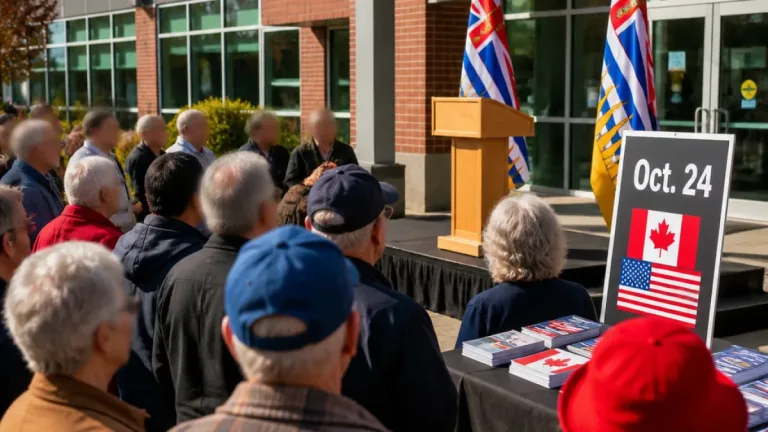
VANCOUVER — The interim leader of British Columbia’s Conservatives said the party is united and prepared to contest a provincial election set for Oct. 24, attempting to close ranks after a turbulent leadership period.
New interim leadership, quick pivot to campaign mode
Lorne Doerkson, who replaced Kerry-Lynne Findlay as interim leader on Sunday, addressed reporters in Vancouver on Tuesday, framing the surprise election call by NDP Premier David Eby as a political miscalculation that the Conservatives intend to exploit.
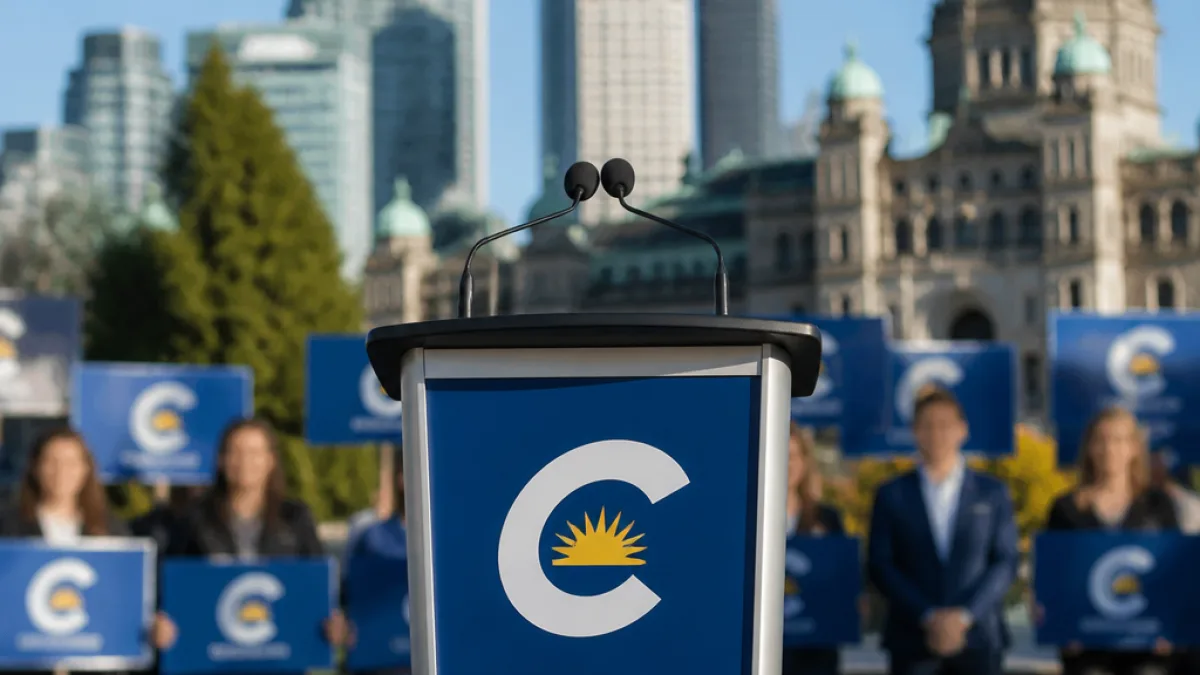
“We’ve put the chaos of the last weeks behind us and we are prepared to run,” Doerkson said as he stood flanked by party candidates. He accused the premier of making a cynical choice to seek a new mandate less than halfway through the current government’s term.
“David Eby of course called a cynical snap election that nobody wanted, nobody asked for, and that is for certain. It’s a cheap, opportunistic political move.”
Accusations and counter-claims over U.S. tariffs
Doerkson warned that decisions made by the provincial government have left British Columbia exposed to economic risk, citing what he described as growing pressure from trade tensions with the United States. He said the NDP had been ineffective in diversifying trade and protecting the province from external threats.
Premier Eby has defended his decision to seek a new mandate, telling voters the campaign is necessary because of the “existential” threat posed by potential tariffs from U.S. President Donald Trump and because it is appropriate to let British Columbians weigh in on the government’s direction. Eby has also criticised the Conservatives’ stance, saying they have been insufficiently forceful in responding to U.S. rhetoric.
The exchange crystallises one of the central themes expected to feature in the short campaign: how the province should respond to international trade pressures and whether a renewed mandate is warranted so soon after the last election.
Former leadership hopeful returns, stresses policy blend
Peter Milobar, who briefly left the Conservatives earlier this year and had appeared to explore an alternative party path, joined Doerkson at the news conference and emphasised a combined approach of economic growth and environmental stewardship.
Milobar told reporters the party intends to offer a platform that balances fiscal restraint with social supports, including emphasis on public safety and education. He also reiterated a promise to treat public funds carefully, framing the Conservatives as a “viable governing alternative” to the current NDP administration.
- Interim leader: Lorne Doerkson (replaced Kerry-Lynne Findlay on Sunday)
- Election date: Oct. 24
- Main contention: Response to U.S. tariff threats and timing of the snap vote
| Event | Date |
|---|---|
| Photograph published from campaign announcement | Sept. 22 |
| Interim leader took over | Sunday (reported) |
| Election day | Oct. 24 |
What this means for voters and the campaign calendar
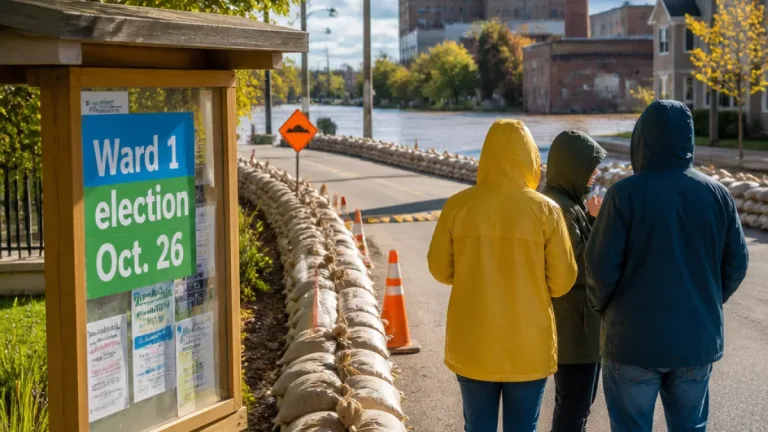
With municipal elections occurring across the province a week earlier, parties and candidates face compressed timelines to organise volunteers, finalise platforms and make their case to voters. The Conservatives’ rapid regrouping underscores how quickly campaign dynamics can shift after an unexpected vote call.
For voters, the coming weeks will be a period of assessing how each party proposes to manage trade exposure, economic diversification and provincial priorities. The Conservatives are seeking to cast themselves as a fiscally responsible alternative that will also protect the environment and maintain social services.
The NDP’s rationale, centred on pressing international trade risks and the need for a clear public mandate, sets up a campaign debate focused on competence, preparedness and the province’s economic future.
As the campaign unfolds, the Conservatives will need to translate the show of unity Doerkson described into coherent policy proposals and a campaign organisation capable of competing province-wide on short notice.
Reporting from Vancouver.