Campaign presence muted across Nunavik as provincial race reaches remote communities
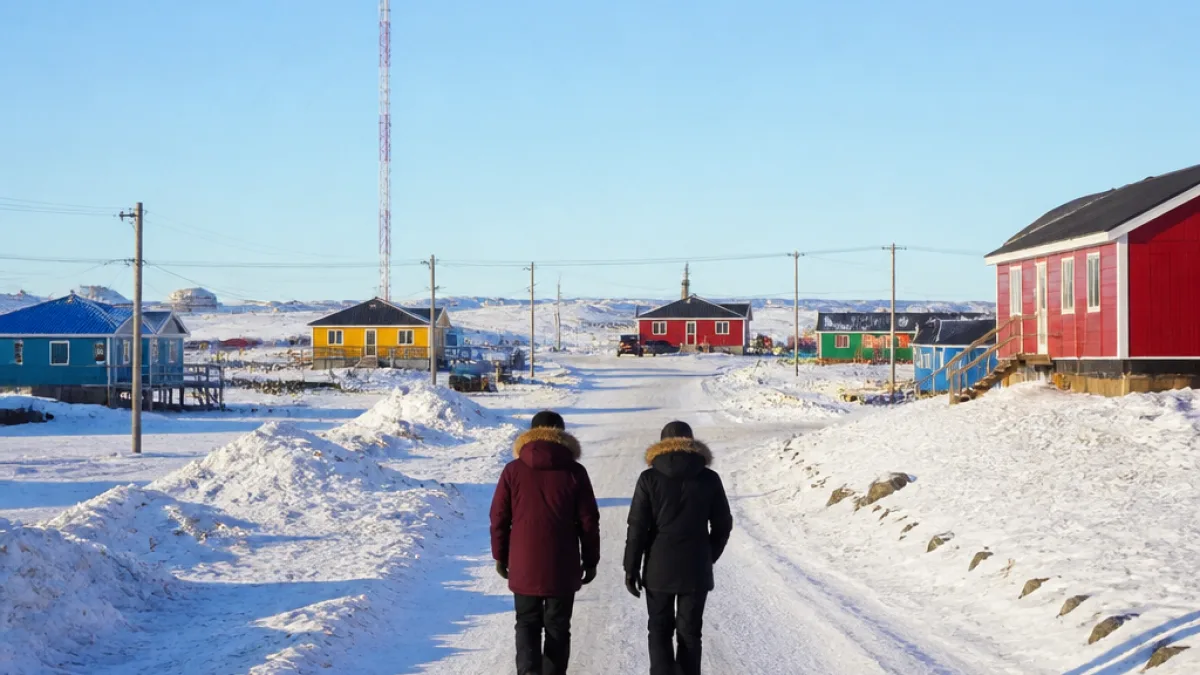
Travel north of the 55th parallel in Quebec and the usual markers of a provincial election — posters on fences, candidates at community halls, door-knocking volunteers — are largely absent. In several Nunavik villages visited recently, reporters found not a single campaign sign, a sign of the difficulty political parties face in reaching isolated populations in the province’s largest electoral district.
The riding of Ungava spans a territory larger than the province of Alberta and includes Nunavik as well as roughly 20 sparsely populated municipalities such as Chibougamau and Chapais and the Eeyou Istchee James Bay region. Voter engagement in the north has historically lagged the rest of the province: the last provincial election in 2022 saw turnout in Ungava of just 30.21%, compared with a provincial average of 66.15%.
Local residents spoken to during visits said many do not follow provincial politics closely and were unaware a campaign was under way. That reality complicates the work of parties that must cover enormous distances and navigate logistical barriers to meet constituents where they live.
Parties adapt to geography and communication barriers
All five major provincial parties have officially registered candidates for Ungava, yet the absence of physical signs does not mean there is no effort to connect with voters, party representatives said.
- The Liberal party plans to run advertisements on northern radio stations to reach listeners across remote communities.
- Québec solidaire and the Liberals also intend to use radio advertising targeted to the north.
- The Parti Québécois has focused on meetings with northern organisations in areas such as health and education and said its candidate has built ties with local stakeholders.
"Ms. Caron has already established strong ties with northern stakeholders, which allows her to adapt her methods for reaching voters, particularly by phone or video conference,"
the Parti Québécois wrote in an email, referring to its candidate, Sonia Caron. Québec solidaire noted its candidate, Antoine Côté, was nominated late and that the riding’s size and timing constrained the use of traditional signage.
Demographics and turnout offer context to engagement challenges
Ungava’s population is young — the average resident is under 33 years old — and more than two thirds of people in the riding identify as Indigenous, according to Élections Québec data compiled for the campaign. These demographics shape priorities and preferred communication methods, and many parties say they are tailoring outreach accordingly.
| Measure | Ungava | Quebec (provincial average) |
|---|---|---|
| Voter turnout (2022) | 30.21% | 66.15% |
| Riding size | Larger than the province of Alberta | |
| Average age | <33 years | |
Parties say adapting means relying more on radio, phone calls and videoconferencing, and developing relationships with local organisations that operate in health and education sectors where trust may already exist. For some candidates, the timing of nominations has limited the scope of in-person campaigning in the north.
Local voices and the limits of campaign visibility
Residents’ comments underline a deeper issue: many in Nunavik and neighbouring areas often prioritise local and practical concerns over provincial politics, and information channels differ from those in urban centres. In communities where broadband access is inconsistent and distances between settlements are measured in hundreds of kilometres, traditional campaign tactics such as lawn signs and door-to-door canvassing are less effective.
Political operatives in the north also confront weather, travel costs and the need to communicate in several languages. Parties have acknowledged those constraints and say they are attempting to tailor messages to northern audiences, but the lack of visible presence raises questions about whether those efforts will translate into higher turnout.
Democratic representation at stake
Observers note that low participation in remote ridings can affect the province’s political balance and the responsiveness of future governments to northern priorities. Convening meaningful dialogue with voters who feel detached from provincial decision-making remains a persistent challenge for all parties.
As the election campaign proceeds, the true measure of engagement will be whether adapted outreach methods convert into more voters at the polls in Ungava — a test of how Quebec’s political system connects with communities at the geographical and cultural margins.