Rivers and neighbourhoods meet at an annual celebration
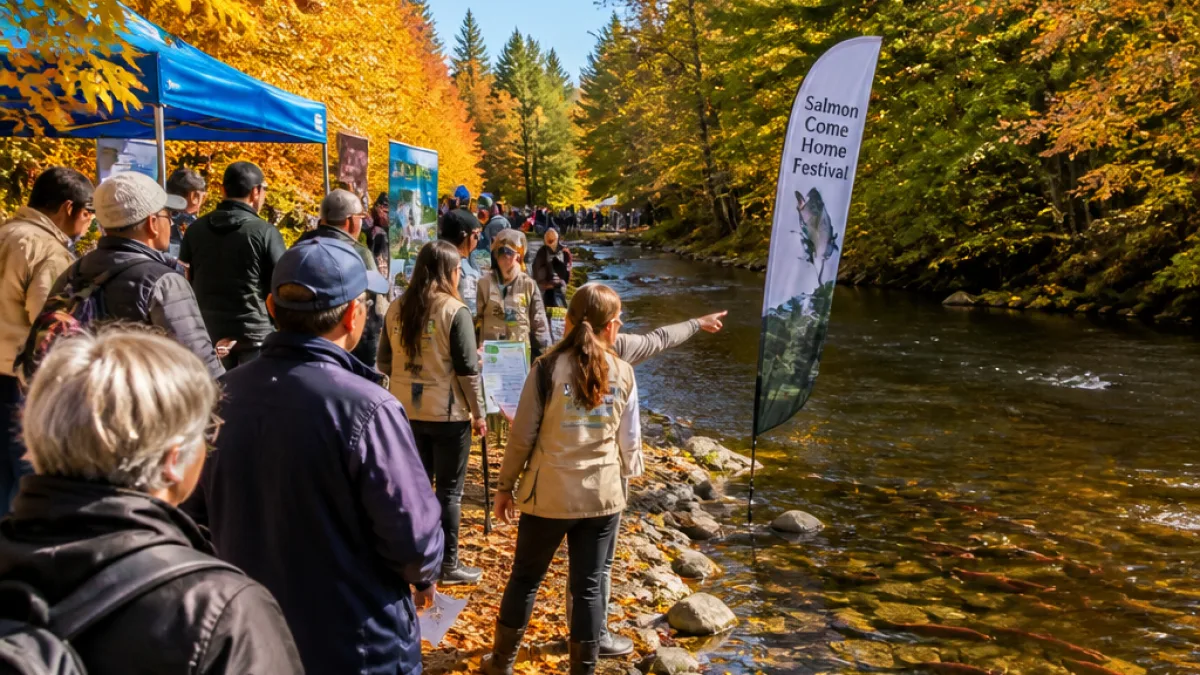
As leaves begin to turn and the air sharpens, Coquitlam stages one of the Metro Vancouver region’s quieter but deeply local celebrations of wild nature: the Salmon Come Home Festival. Each autumn thousands of chum and coho make their way from the Pacific Ocean back to the creeks where they hatched, and the festival turns the city’s riparian corridors into a classroom and gathering place for residents.
"Fall signifies the changing of leaves, the crisp, cool morning air and in Coquitlam, the return of salmon."
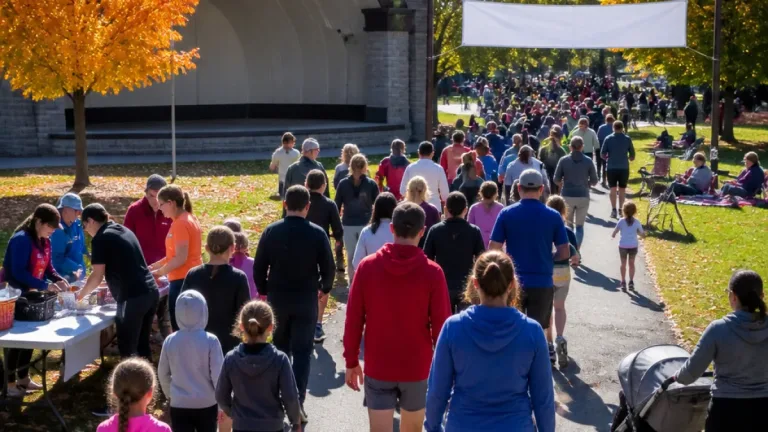
The annual event brings together environmental groups, municipal staff and volunteers to lead guided walks, interpretive programming and hands-on activities aimed at connecting people with local ecosystems. For a city that has experienced rapid growth and changing land use over recent decades, the festival underscores how urban planning and community stewardship intersect with the health of salmon-bearing streams.
What the festival offers
- Guided creek walks that allow people to observe salmon migration and learn about life cycles.
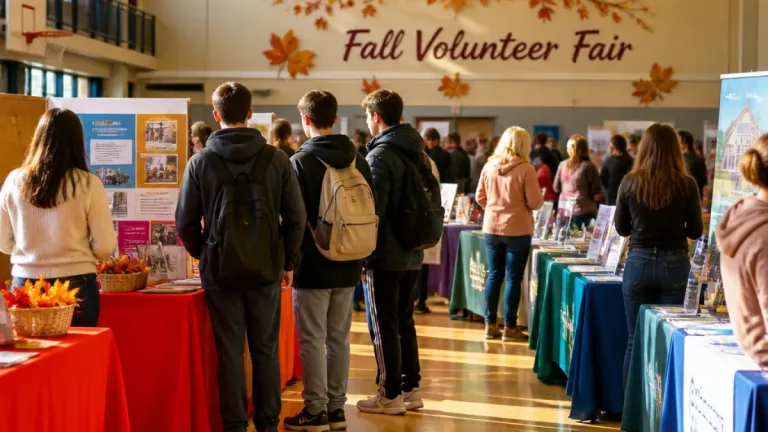
- Educational booths run by conservation groups and local agencies explaining habitat restoration and stewardship.
- Family-friendly activities designed to engage children in watershed science and indigenous perspectives on salmon.
Organizers emphasise that the festival is not just a seasonal spectacle but part of larger efforts to protect and restore salmon habitat. Stream restoration projects, culvert upgrades and riparian planting carried out by the city and partner organisations help maintain or improve passage for returning fish. For residents, the festival offers a visible reminder of those ongoing commitments.
Local context: growth, habitat and community action
Coquitlam sits at the confluence of urban development and important natural corridors. Rapid residential and commercial growth in the Tri-Cities area has put pressure on green spaces and watercourses, but it has also prompted municipal investment in green infrastructure and community engagement programs. The salmon run and related public events provide tangible reasons for citizens to support habitat protection measures and to pay attention to the effects of stormwater, pollution and shoreline alterations.
Community groups involved in salmon conservation frequently use the festival to recruit volunteers for stewardship activities such as riparian planting, stream cleanups and citizen science monitoring. These hands-on opportunities give residents an avenue to translate concern into action — a vital link in a region where neighbourhoods sit close to both creeks and construction sites.
Practical information
The festival is timed around the salmon migration, which varies with weather and stream conditions but reliably returns every fall. Activities typically take place in parks and along creek corridors that are accessible through well-marked trails. Visitors are encouraged to dress for wet and slippery conditions, respect posted closure areas used to protect spawning fish, and follow instructions from volunteer stewards during guided walks.
| Feature | Notes |
|---|---|
| Timing | Autumn, during chum and coho runs |
| Activities | Guided walks, education booths, family programming, stewardship sign-ups |
| Focus | Salmon migration, habitat protection, community engagement |
For many residents, the festival is an accessible way to learn how local decisions affect wild species that rely on urban streams. It also provides an opportunity for younger generations to witness the salmon life cycle firsthand — an experience that can shape attitudes toward conservation for years to come.
As Coquitlam continues to grow, events like the Salmon Come Home Festival help keep ecological values visible in neighbourhoods and municipal planning. They provide a bridge between scientific work, volunteer stewardship and the everyday choices of residents — from how stormwater is managed on a property to support for green-space expansion in planning decisions.
In short, the festival is more than a seasonal attraction: it is part of the civic fabric that ties community health to the health of the region’s watersheds. For those who turn out to watch a salmon slip upstream this autumn, the sight can be both a reminder of continuity and a call to action for protecting the natural corridors running through the city.