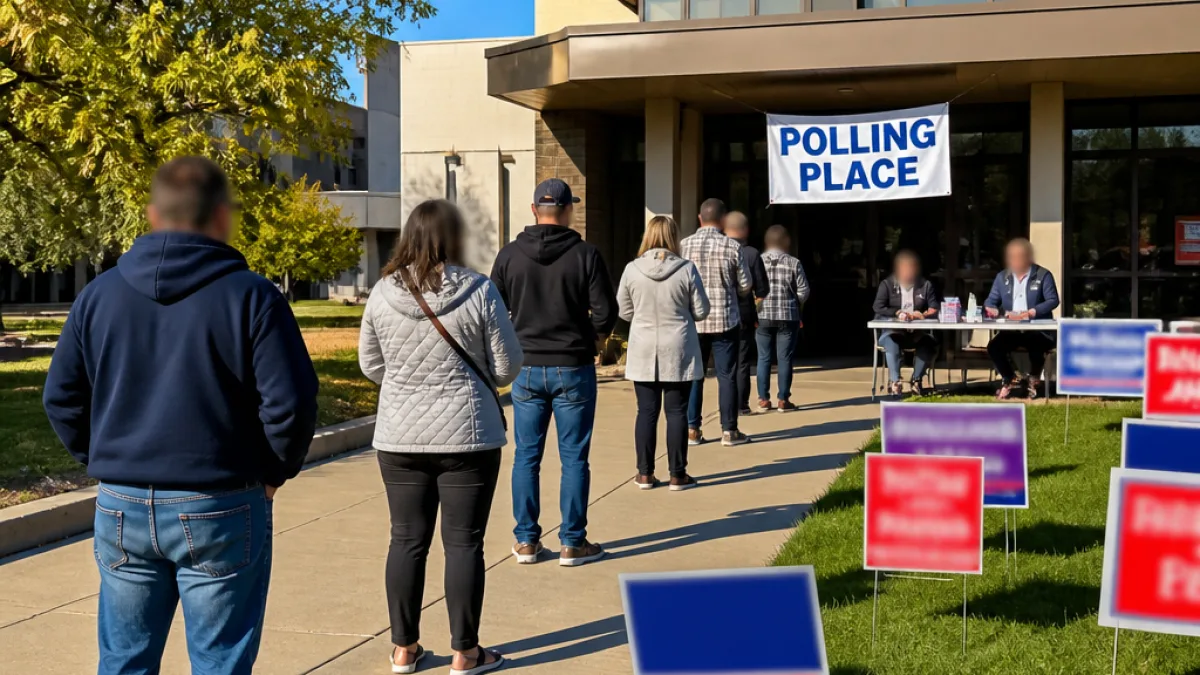
WAUSAU, Wis. — Wisconsin voters went to the polls Tuesday in a partisan primary that will determine who appears on the November ballot for governor and several U.S. House seats, narrowing crowded fields after a summer of shifting campaigns and surprise exits.
What’s at stake
The primary is the first major in-state test of voter sentiment since a chaotic campaign season that saw multiple candidates enter and leave races. On the Democratic side for governor, four names remained on the ballot after a summer in which several prominent contenders ended their campaigns.
- Democratic gubernatorial candidates remaining on the ballot: Francesca Hong, David Crowley, Joel Brennan, Kelda Roys.
- Notable Democrats who dropped out but still appear on the ballot: Mandela Barnes, Sara Rodriguez, Missy Hughes (withdrawals occurred after the state printing deadline).
- Republican gubernatorial situation: U.S. Rep. Tom Tiffany is the presumptive Republican nominee and is expected to face the Democratic primary winner in November. Tiffany is heavily favored over his Republican primary opponent, Andy Manske.
Congressional primaries to watch
Several U.S. House seats also were contested in Tuesday’s primary, including at least two open seats and one incumbent contest that analysts expect to draw heavy spending and partisan attention in the fall.
In the 7th Congressional District, Rep. Tom Tiffany’s decision to run for governor left the seat open in a conservative-leaning district. The primary fields included multiple candidates on both sides:
- Democrats: Chris Armstrong, Fred Clark, Ginger Murray.
- Republicans: Michael Alfonso, Jessi Ebben, Kevin Hermening, Donald Raihala, Niina Threlfall-Baum.
In the 3rd Congressional District, two Democrats vied for the chance to challenge Republican incumbent Derrick Van Orden this November: Rebecca Cooke and Emily Berge. That general election matchup is expected to be strongly polarized and attract substantial outside spending.
Campaign turbulence and ballot mechanics
This summer’s churn — candidates announcing runs, pausing campaigns or withdrawing — underscored how election law and administrative rules can affect voters’ choices. Several candidates who left the governor’s race remain listed on the primary ballot because their withdrawals came after the deadline for printing ballots statewide. That situation can lead to voter confusion and requires campaigns to communicate withdrawal decisions clearly to supporters and the broader electorate.
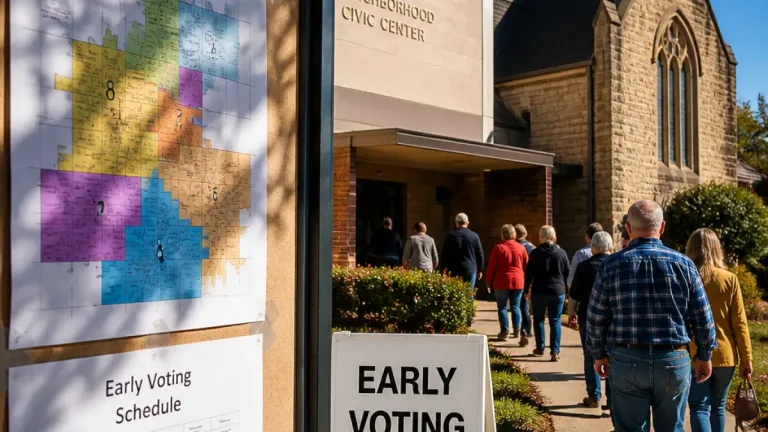
Election officials and campaigns urged voters to verify their polling locations and hours and to check party ballots before casting votes. Those who wanted to track live returns were directed to broadcast and local news outlets as precincts reported results into the evening.
| Race | Notable candidates |
|---|---|
| Governor (Democrat) | Francesca Hong; David Crowley; Joel Brennan; Kelda Roys |
| Governor (Republican) | Tom Tiffany (presumptive nominee); Andy Manske |
| 7th Congressional District | Chris Armstrong; Fred Clark; Ginger Murray; Michael Alfonso; Jessi Ebben; Kevin Hermening; Donald Raihala; Niina Threlfall-Baum |
| 3rd Congressional District | Rebecca Cooke; Emily Berge; Derrick Van Orden (incumbent) |
What voters and campaigns said
Campaigns emphasized turnout and organization as decisive factors. In competitive primaries, especially where open seats are involved, the ability to mobilize supporters to the polls can determine who advances to the general election.
"The primary will narrow the field and give voters a clearer choice in November," campaign officials and analysts said as they urged supporters to participate.
Election administrators reiterated standard guidance on voter identification, absentee ballots and same-day registration where available. Voters with questions about polling places, hours or ballot content were encouraged to consult their municipal clerks or the Wisconsin Elections Commission for official information.
Looking ahead
Winners of Tuesday’s partisan primaries will proceed to head-to-head matchups in November, setting up contests that could shape Wisconsin’s political direction at both the state and federal levels. The governor’s race, in particular, will be closely watched for its implications on state policy and for control of the executive office.
Local news outlets and election trackers will continue to publish updated returns as results are certified. For real-time coverage and notifications, WSAW and other broadcasters offer apps and live updates to follow late returns and the unfolding results across Wisconsin.
Statewide primary outcomes may also affect fundraising, volunteer recruitment and outside spending heading into the general election, as party committees and independent groups assess which races to prioritize in the final months before November.
Peter Vandenberg is WE NEWS’ state correspondent. Reporting from Wausau.