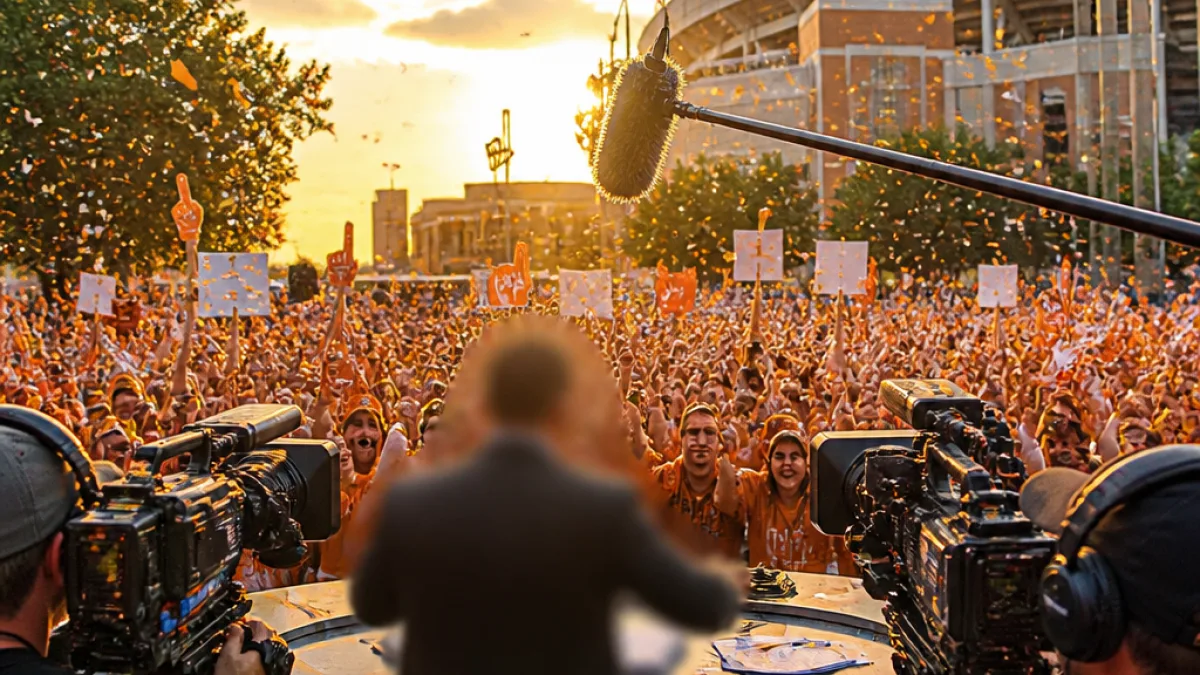
Austin — U.S. Sen. Ted Cruz faced audible jeers from the crowd on ESPN’s College GameDay on Sept. 12 as he urged support for the Protect College Sports Act, a bipartisan measure shaping federal oversight of name, image and likeness (NIL) rules and athlete eligibility.
The senator’s appearance at the pregame show outside Darrell K. Royal–Texas Memorial Stadium came ahead of the high-profile Texas-Ohio State matchup. Cruz, who sponsors the bill along with Sen. Maria Cantwell (D-Wash.), spoke for just under eight minutes as the crowd in Austin repeatedly interrupted him with boos and jeers.
Why Cruz appeared and why fans reacted
Cruz used his segment to outline what he described as the need to rein in off-season activity he said has become disorderly, pointing to recent coaching controversies and player movement around the sport. He framed the bill as a response to what he called “chaos” in college athletics — a characterization that drew a hostile reception from many in the stadium crowd.
"I think [there is] chaos"
The senator’s remarks lived amid an on-air conversation that included prominent college football figures. Nick Saban, who has been a visible backer of the bill, and others have featured in promotional spots advocating for federal action. Despite that institutional support, fans on hand made clear their willingness to voice displeasure when politicians enter the sports spotlight.
What the Protect College Sports Act would do
The bill aims to set national standards affecting compensation and movement of college athletes. The measure contains several provisions that have attracted both support and criticism from stakeholders in collegiate athletics, including conference leaders, coaches, players and fans.
| Provision | What it would do |
|---|---|
| NIL compensation reporting | Requires reporting of athlete agreements valued over $600 |
| Anti-circumvention | Bans agreements outside NIL aimed at sidestepping fair market value rules |
| Agent registration | Requires agents to be registered with their state |
| Transfer and eligibility rules | Allows one transfer without loss of eligibility; a second transfer would cost a year; five years of eligibility total |
Supporters say the bill would bring consistency and transparency to a patchwork of state laws and conference rules that have produced dramatic roster churn and high-profile contract disputes. Critics argue it could limit athletes’ opportunities and fail to address the underlying commercial forces reshaping college sports.
Reaction and implications in Austin and beyond
The visible repudiation on a national broadcast highlights the politically fraught nature of federal intervention in college athletics. For many Texas fans gathered on the campus strip before kickoff, the matchup with Ohio State was the main attraction; the crowd’s impatience with political messaging was evident.
Television appearances like Cruz’s can influence public debate as lawmakers prepare for floor consideration. Opponents of the bill have said they were not given a formal platform during the College GameDay segment, and some critics in Congress have voiced concerns about specific provisions. Senate deliberations on the measure were expected to follow soon after the appearance.
- Political context: The bill has bipartisan sponsorship, but it remains controversial among athletes, coaches and fans.
- Local angle: The event underscored how politically charged national broadcasts can become when they intersect with major college football games in Texas.
- What’s next: Senate consideration of the bill will determine whether the federal rules described by advocates will move forward.
As the national debate continues, appearances like Cruz’s on a stage traditionally devoted to sports rather than policy illustrate how college athletics has become a battleground for broader questions about governance, compensation and the role of lawmakers in regulating the game.
— Reporting from Austin